
The World's Highest Art Exhibition
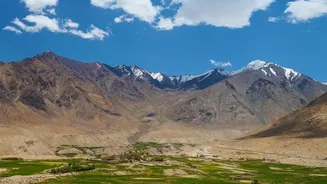
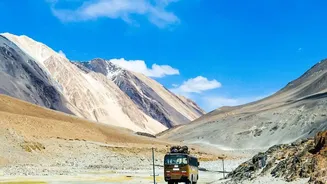
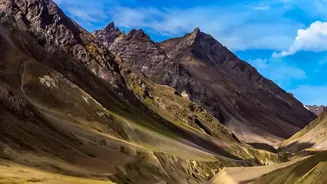
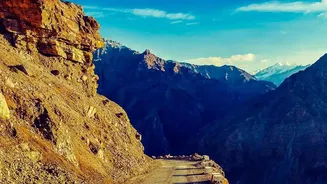
Forget traditional museums with white walls and climate control. In Ladakh, the gallery is the landscape itself. The sā Ladakh Biennale, now in its third edition, has turned an approximately 230-kilometre stretch of the historic Leh-Kargil corridor into
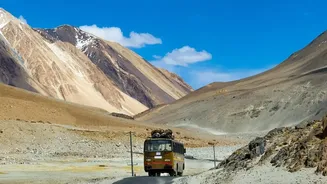
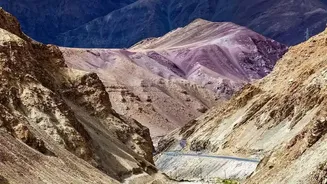
a sprawling canvas for contemporary art. Held at elevations soaring above 3,000 metres, it holds the title of the world's highest regenerative art biennale. From August 1 to 10, 2026, visitors are invited to journey through this unique exhibition, where the art is not just placed in the environment but emerges from it. The experience encourages a slower, more deliberate form of travel, asking people to walk through villages and across ancient routes to discover works that speak to the land itself.
Art with a Conscience
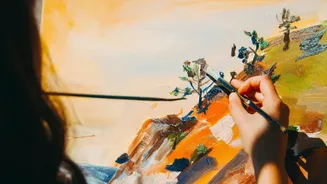
The name 'sā' is the Ladakhi word for 'soil,' and this single word captures the project's core philosophy. Founded in 2023 by a trio of an artist, a mountaineer, and a designer, the initiative is deeply rooted in ecological thinking. This is a “non-white cube biennale,” meaning the art is created with zero-to-minimal footprint practices, often using local and natural materials. The theme for 2026, 'Signals from Another Star,' brings together nineteen artists from Ladakh, greater India, and across the world to reflect on urgent questions of climate change, indigenous knowledge, and cultural resilience. The installations, film screenings, and workshops are designed not just for viewing but to spark conversations about humanity's relationship with the planet.
A Journey Across Eight Sites
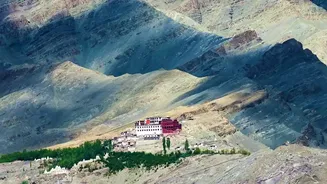
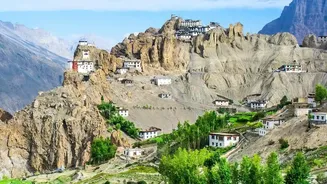
Instead of a single location, the biennale unfolds across eight distinct sites: Leh, Basgo, Likir, Nurla, Lamayuru, Heniskot, Mulbekh, and Kargil. Each location was chosen for its historical, cultural, or ecological significance, allowing artists to create works in direct response to their surroundings. For instance, in Old Leh Town, installations might draw on local folklore, while works in the former capital of Basgo examine ecological rhythms. This format ensures that travelling between the artworks is as much a part of the experience as seeing them. It breaks down the barrier between art and life, integrating creative expression into the everyday landscapes of villages and monasteries.
Community at Its Core
While it attracts global attention, the sā Ladakh Biennale is fundamentally a community-led project. The founders and curators work closely with village leaders and local organisations to develop the programme. This collaboration is key to its success and ensures the art is relevant and respectful to the people who call the region home. The event also serves as a vital platform for Ladakhi artists, who have often had limited opportunities to showcase their work on an international stage. By participating, local artists can connect their deep cultural knowledge with contemporary art practices, leading to powerful new forms of expression and gaining opportunities to exhibit their work worldwide.