





A New Chapter in Overnight Travel
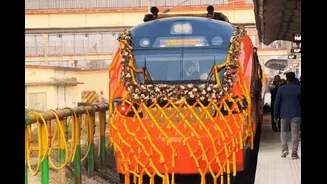
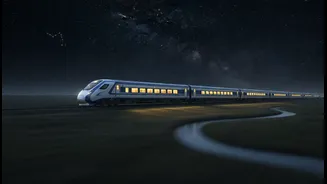
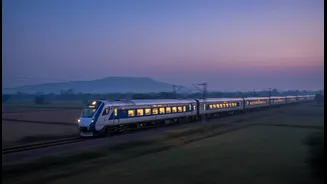
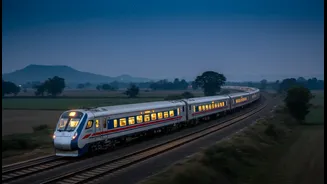
The new tri-weekly Vande Bharat sleeper, named the Sant Ravidas Express, is scheduled to be flagged off on July 17, 2026. It will connect two of India's most significant spiritual hubs: Varanasi in Uttar Pradesh and Chheharta, near Amritsar in Punjab.
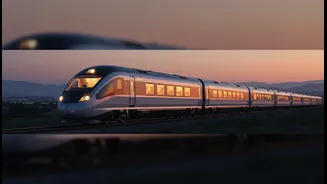
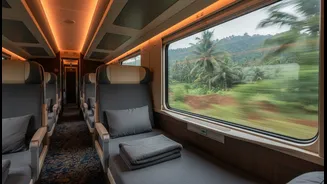
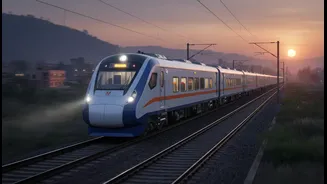
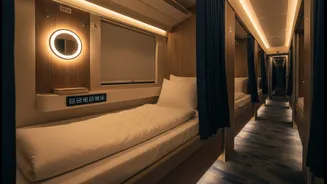
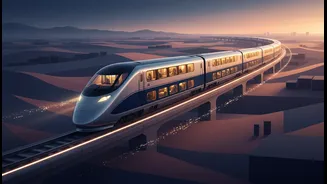
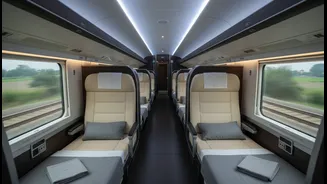
This route marks a significant development in long-distance rail travel, offering a premium, high-speed alternative on a corridor bustling with religious tourists, families, and business travellers. Unlike traditional locomotive-hauled trains, the Vande Bharat is a self-propelled trainset, which allows for faster acceleration and deceleration, potentially reducing overall journey time. The train will feature modern amenities, including enhanced safety features, ergonomically designed berths, and superior ride comfort, positioning it as a direct competitor to the long-reigning Rajdhani Express.
Decoding the Timetable
The schedule of any overnight train is its most critical feature, and the Sant Ravidas Express offers distinct timings for each direction. The train from Varanasi to Chheharta (No. 14623) departs at 7:05 PM, arriving the next day at 5:10 PM. This evening departure from Varanasi is ideal for pilgrims who can spend a full day in the holy city before embarking on their journey. For weekend travellers from cities like Lucknow, the midnight arrival from Varanasi offers a connection, though it might be less convenient. In the opposite direction, the train from Chheharta to Varanasi (No. 14624) has an afternoon departure at 2:05 PM, reaching Varanasi the next day at 12:15 PM. This timing might appeal to travellers from Punjab looking to arrive in Varanasi with enough time to check into a hotel and prepare for the evening Ganga aarti.
Stops: Connecting Hubs and Holy Sites
A train's utility is defined by its stops. The Sant Ravidas Express will halt at several key stations, including Amritsar, Jalandhar City, Ludhiana, Ambala Cantt, Saharanpur, Moradabad, Bareilly, Shahjahanpur, Lucknow, Sultanpur, and Jaunpur City. This chain of stops strategically links major commercial and industrial hubs in Punjab and Haryana with the administrative and cultural heart of Uttar Pradesh. For pilgrims, the direct link between Varanasi and Amritsar is the biggest draw. For families and other travellers, stops in cities like Lucknow and Ludhiana provide crucial connectivity between North India's major population centres. The inclusion of these stops makes the train a practical option not just for end-to-end travel but for intermediate journeys as well.
The Cost-Benefit Analysis
While official fares for the Sant Ravidas Express are yet to be announced, they are expected to be slightly higher than those of Rajdhani trains on comparable routes. The Vande Bharat sleeper operates on a model of confirmed berths only, with no provision for RAC (Reservation Against Cancellation) or waitlisted tickets, ensuring a less crowded and more predictable experience. This is a crucial factor for families travelling with children or elderly members. The total trip cost isn't just the ticket price. Travellers must factor in the value of time saved, the enhanced comfort, and improved hygiene and safety standards. For a weekend traveller, a faster, more reliable journey might be worth the premium, as it maximizes their time at the destination. For a family, the promise of a confirmed berth and a more comfortable journey could outweigh a lower fare on a different train.
Who Should Choose This Train?
The decision to book a ticket on the new Vande Bharat sleeper depends entirely on individual priorities. For pilgrims, the direct connectivity between Varanasi and Amritsar, coupled with comfortable overnight travel, makes this an almost purpose-built service. For families, the key advantages are the confirmed berths, enhanced safety, and modern amenities that promise a smoother journey. Weekend travellers must weigh the timings carefully. The schedule may be perfect for some itineraries but less so for others. They should compare the Vande Bharat's departure and arrival times with existing trains and even flights to see what best suits a short trip. Ultimately, the new train introduces a welcome new variable into travel planning, forcing a re-evaluation of what constitutes the 'best' option.