






An Annual Spectacle From Halley's Comet
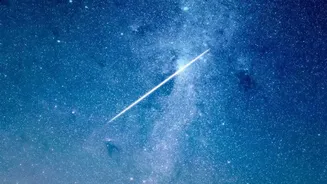
The Orionid meteor shower is one of the most reliable and beautiful celestial events of the year. These shooting stars are actually tiny fragments of dust and ice left behind by the most famous comet of all: 1P/Halley, or Halley's Comet. Each October,
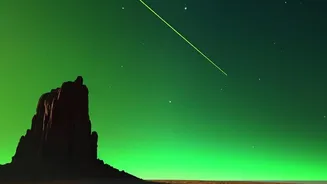
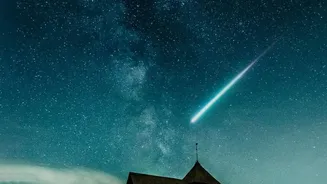
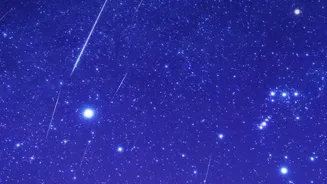
Earth passes through this stream of ancient debris. When these particles, some no bigger than a grain of sand, hit our atmosphere at incredible speeds—about 66 kilometers per second—they burn up, creating brilliant streaks of light. They are known for their speed and brightness, and can sometimes leave glowing trails, called trains, that linger for a few seconds.
Timing is Everything: When to Watch in 2026
Mark your calendar for the night of October 21-22, 2026, which is the predicted peak of the shower. While you might see some meteors on the nights before and after, this is when activity will be at its highest. The best viewing window is in the pre-dawn hours, after midnight. This year, viewing conditions are a mixed bag. A bright waxing gibbous moon will be in the sky during the early part of the night. However, it sets around 3 a.m., leaving a window of dark sky until dawn begins to break. This is your prime time for spotting meteors, so setting an early alarm will be worth it.
Scout Your Urban Viewing Spot
The biggest challenge in a city is light pollution, which creates a bright haze that washes out fainter meteors. Your goal is to find the darkest possible spot with the widest view of the sky. Rooftops are excellent, as they elevate you above the immediate glare of streetlights. A balcony on a high floor can also work, provided it has an open view. If you don't have access to either, a large, dark park is your next best option. Try to position yourself in the middle, using trees or buildings to block direct light from your line of sight.
Gear Up (Without the Gear)
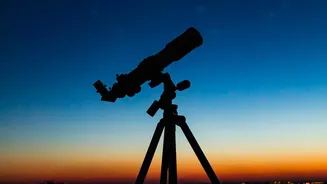
The best part about watching a meteor shower is that you don't need any special equipment. In fact, telescopes and binoculars are not recommended because their narrow field of view means you'd miss most of the action. Your eyes are the perfect tool. What you should bring is comfort. A reclining lawn chair or a thick blanket will save you from a sore neck. Dress in warm layers, as even on a mild night, you'll get chilly sitting still. Pack a thermos of a warm drink and some snacks. The key is to be comfortable enough to stay outside and be patient.
Train Your Eyes for the Dark
This is perhaps the most crucial tip for any skywatcher, especially in the city. Your eyes need at least 20 to 30 minutes to fully adapt to the darkness. This means no looking at your phone—the bright screen will instantly reset your night vision. If you need a light, use a red-light flashlight, as red light has a minimal effect on your dark-adapted eyes. Once your eyes have adjusted, you'll be amazed at how much more you can see, even with some background city glow. Be patient; the show happens in bursts, not a constant stream.
Know Where to Look
The meteors are called Orionids because they appear to radiate from a point in the constellation Orion. You can easily spot Orion by looking for its famous three-star belt. The radiant is near the bright reddish star Betelgeuse. However, you don't want to stare directly at the radiant. The meteors will appear all over the sky, and they will actually have longer, more impressive trails the farther they are from their point of origin. A good strategy is to lie back and look straight up, taking in as much of the sky as you can. This broad view maximizes your chances of catching a stray fireball.