





Choosing Your Balcony Greens
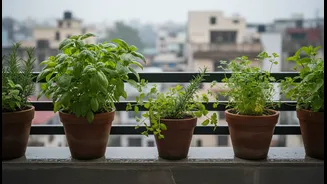
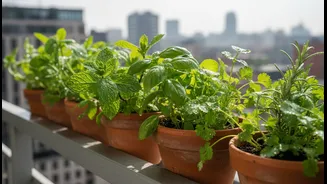
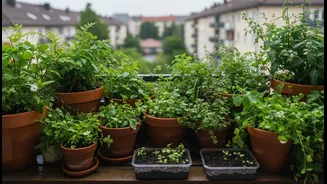
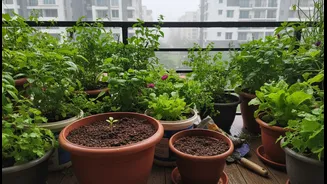
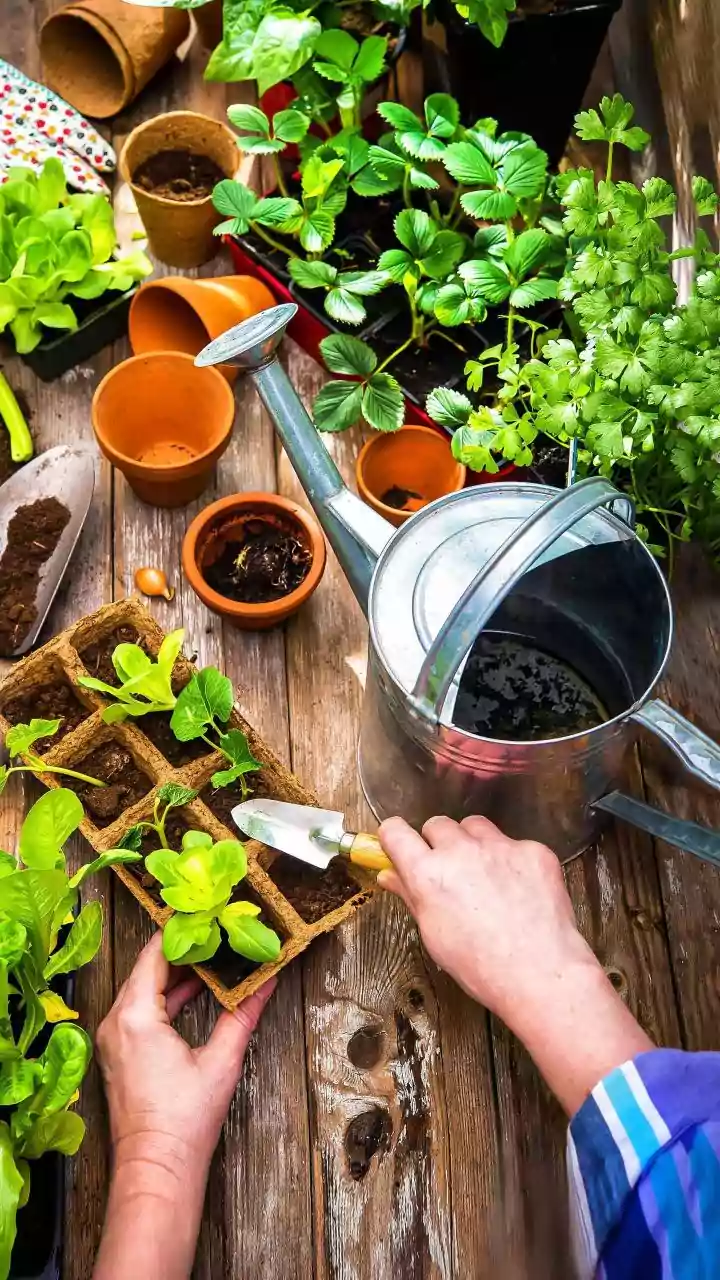
Bengaluru's moderate climate is ideal for a variety of herbs and leafy greens that thrive in containers. For a beginner-friendly start, consider essentials of Indian cooking that are famously easy to grow. Mint (pudina) is prolific and can be grown in its
own pot to prevent it from taking over. Coriander (dhania) can be grown by lightly crushing whole seeds and sprinkling them in a pot with rich soil. Tulsi, or Holy Basil, loves sunlight and requires minimal care, making it a perfect balcony plant. Other excellent choices include the curry leaf plant (kadi patta), which grows well in sunny spots, along with spinach (palak), methi, and amaranth. These greens grow relatively quickly, and many can be harvested multiple times from a single planting. For those looking to experiment, Italian basil and rosemary are also great options that adapt well to pots.
The Right Foundation: Pots and Soil
Success in container gardening starts with the right foundation. Your pots must have drainage holes; this is non-negotiable, especially with Bengaluru's heavy monsoon season. If a pot's existing holes seem insufficient, don't hesitate to drill more. Using regular garden soil alone is a common mistake, as it compacts easily in pots, reducing airflow and leading to waterlogged roots. Instead, create a lightweight and well-draining potting mix. A reliable recipe for most herbs and vegetables is a blend of 40% garden soil, 30% compost (like vermicompost), and 30% cocopeat. The cocopeat helps retain moisture during dry spells while keeping the mix light, and the compost provides essential nutrients for healthy growth. For succulents, you would increase the drainage component, such as sand or perlite.
A Guide to Successful Repotting
Plants, like people, eventually outgrow their homes. You'll know it's time to repot when you see roots growing out of the drainage holes, growth seems stunted, or the soil dries out extremely fast. The monsoon season is an excellent time for repotting, as the high humidity and cooler temperatures help plants recover from transplant shock more quickly. Choose a new pot that is only 1-2 inches larger in diameter than the old one; a pot that is too large can hold excess moisture and lead to root rot. To repot, gently remove the plant from its current container. If the roots are tightly wound in a ball, gently massage them to loosen them up. Place a layer of fresh, well-draining potting mix in the new pot, position the plant in the center, and fill the surrounding space with more soil, ensuring the base of the stem is just below the rim. Water thoroughly to help the soil settle.
Mastering Monsoon Soil Moisture
The monsoon brings welcome relief from the heat but presents a unique challenge for balcony gardeners: waterlogging. During this season, reduce watering frequency significantly. Before watering, always check if the top inch or two of the soil is dry; if not, wait another day or two. Ensure pots have clear drainage holes and are not sitting in water-filled saucers; it's best to remove trays altogether during the rains. Elevating pots on bricks or stands can also improve drainage and airflow underneath. If the soil surface looks compacted, you can gently aerate it with a small tool like a chopstick, creating channels for air to reach the roots. Be vigilant for signs of overwatering, such as yellowing lower leaves or a sour smell from the soil, which can indicate the onset of root rot. Using a porous, well-draining soil mix is your best defence against the excesses of the rainy season.