





Why Your Brain Loves a 10-Minute Goal
Starting a new exercise routine can feel overwhelming, but the secret to success is to begin with a goal that's too small to fail. A 10-minute workout removes the primary obstacle most people face: mental resistance. Instead of a daunting hour-long commitment
that’s easy to postpone, ten minutes feels manageable on even the busiest days. This approach is rooted in the psychology of habit formation. Lasting habits are built on repetition, not duration. By performing a short, repeatable action every day, you are proving your new identity as 'someone who exercises regularly'. This creates a positive feedback loop, where small wins build the confidence and momentum needed to make the behaviour automatic, rewiring your brain for consistency.
The Surprising Science of 'Exercise Snacking'
Don't underestimate the power of short bursts of activity, a concept researchers call 'exercise snacking'. Studies show that these brief, repeated sessions can offer significant health benefits, especially for those transitioning from a sedentary lifestyle. Research highlights that even 10-minute workouts can improve cardiorespiratory fitness, help regulate blood sugar, and lower blood pressure. In some cases, frequent, short bouts of activity have been found to be more effective for managing blood sugar than one single, longer session. Furthermore, these mini-workouts release mood-boosting endorphins, which can enhance focus, reduce stress, and increase your energy levels throughout the day.
Your First No-Equipment 10-Minute Routine
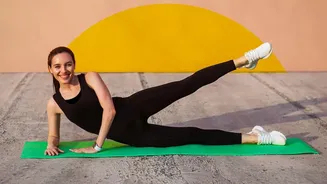
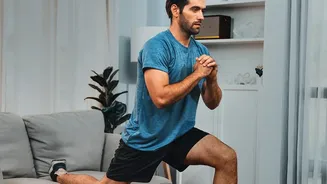
The best workout is one you will actually do. This simple, balanced routine requires no special equipment and can be done anywhere. Set a timer and get moving. First, spend one minute warming up with light movements like jumping jacks or marching in place. Next, move into three minutes of cardio with exercises like high knees or butt kicks. Follow that with three minutes of strength work—think bodyweight squats and push-ups (on your knees if needed). Then, dedicate two minutes to your core with a plank hold or bicycle crunches. Finally, use the last minute to cool down with some gentle stretches for the muscles you just worked. The goal isn't to be perfect, but to complete the circuit and build a foundation.
How to Make Your New Habit Stick
Consistency is key, and linking your new workout habit to an existing one—a technique called 'habit stacking'—can dramatically increase your chances of success. For example, decide to do your 10-minute workout immediately after you brush your teeth in the morning or while your coffee brews. This creates a powerful cue that makes the decision process automatic. Another strategy is to prepare your environment. Lay out your workout clothes the night before to remove any friction in the morning. Finally, track your progress. Ticking a box on a calendar provides a small, immediate reward that reinforces the habit loop in your brain, making you more likely to show up again tomorrow.
Managing Expectations for Long-Term Success
It is important to have realistic expectations. A 10-minute daily workout will not transform you into a marathon runner overnight, but its benefits are profound and cumulative. The primary goal at the beginning is not dramatic physical change, but the establishment of a non-negotiable routine. Focus on the immediate wins: more energy, a clearer mind, and the sense of accomplishment from keeping a promise to yourself. Studies show that adherence and compliance rates for these 'exercise snacks' are very high precisely because they are so manageable. Once the habit is firmly in place, you may find yourself naturally wanting to extend the duration or increase the intensity, but that comes later. For now, the victory is in the daily repetition.