

The Monsoon's Moody Canvas
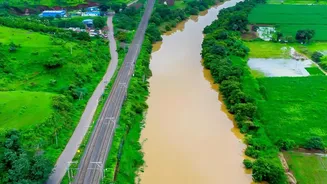
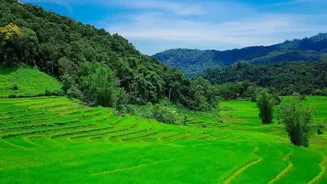
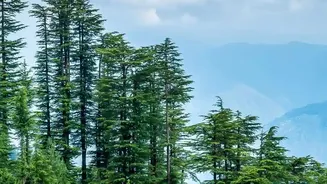
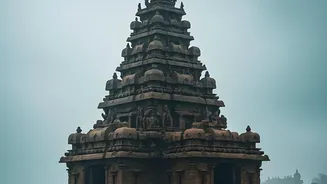
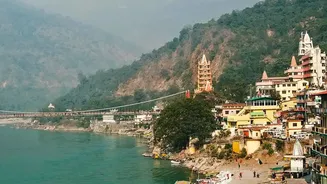
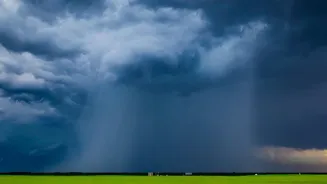
The rainy season fundamentally changes the visual texture of India. The sky becomes a dramatic canvas of shifting grey clouds, which act as a giant softbox, providing even, gentle light perfect for portraits and landscapes without harsh shadows. Familiar
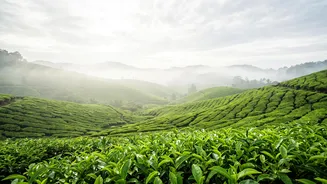
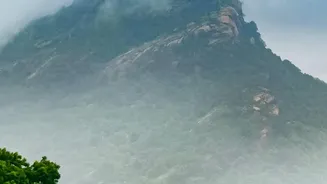
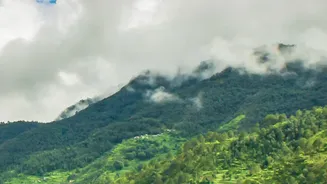
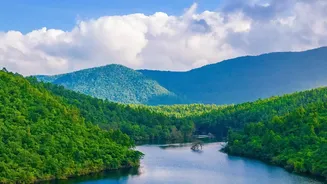
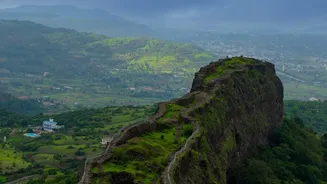
hills are shrouded in a romantic mist that rolls through valleys, creating a sense of depth and mystery in every frame. Colours become intensely saturated; the greens of tea plantations in Munnar or the Western Ghats deepen, and wet city streets reflect the neon glow of urban life, creating vibrant, dynamic scenes. It’s a time when the entire country feels more atmospheric, offering a palette that is both moody and intensely beautiful.
Iconic Monsoon Destinations
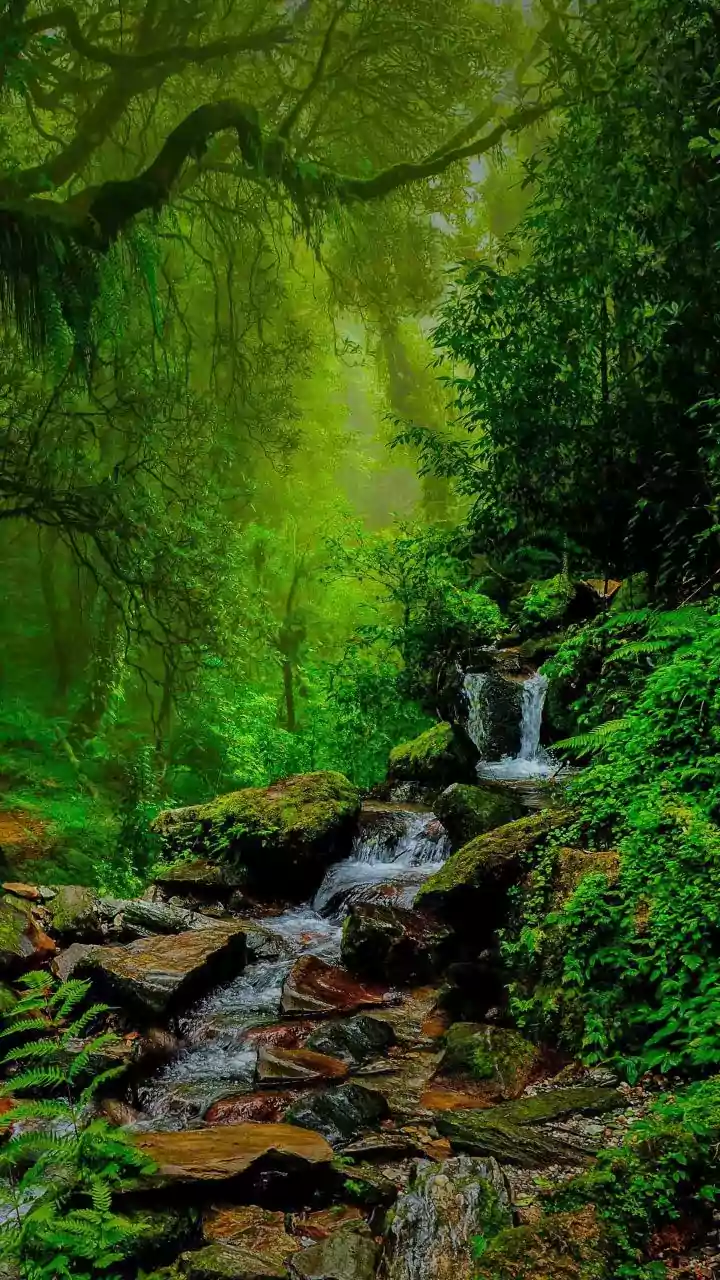
Certain regions are particularly magical during the monsoon. Meghalaya, the 'abode of clouds', lives up to its name, with destinations like Cherrapunji and Mawsynram offering roaring waterfalls, such as Nohkalikai and the Seven Sisters Falls, and its famous living root bridges over swollen streams. In the south, Kerala’s backwaters and the tea estates of Munnar are transformed into a verdant paradise. The Western Ghats, spanning Maharashtra and Karnataka, are another hotspot. Hill stations like Lonavala, Mahabaleshwar, and Coorg come alive with mist-covered hills and countless waterfalls. Even the typically arid state of Rajasthan offers a unique spectacle, with Udaipur's lakes shimmering under dramatic monsoon clouds.
Subjects Beyond the Horizon
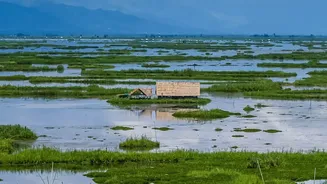
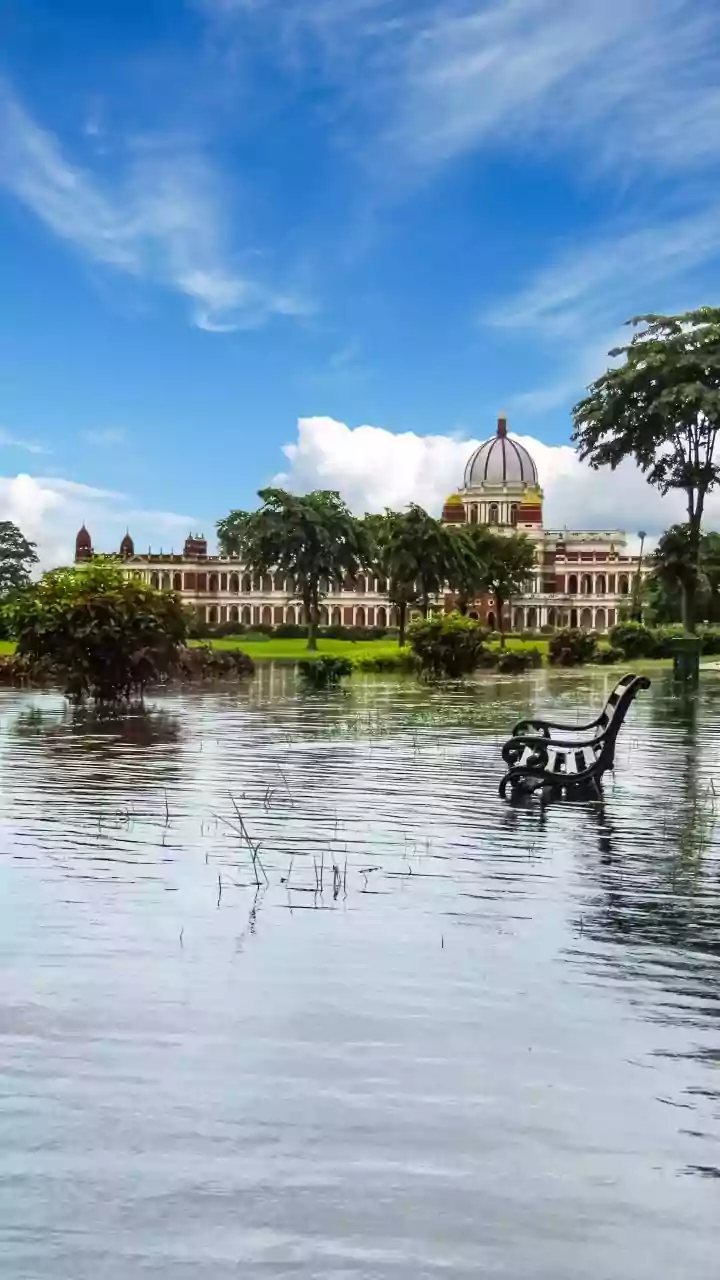
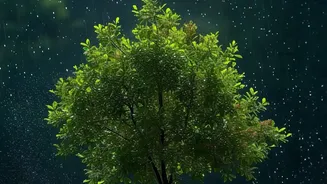
While sweeping landscapes are a major draw, the monsoon also presents opportunities for more intimate photography. The season is a macro photographer's delight. Focus on the intricate details of raindrops clinging to a spider's web, a flower petal, or a leaf. Street photography takes on a new character; scenes of people huddled under colourful umbrellas, children playing in puddles, and the steam rising from a roadside tea stall tell a powerful story of life adapting to the rain. Reflections are another key theme. Wet roads, puddles, and lakes create perfect mirrors for capturing symmetrical, layered compositions of buildings, trees, and skies.
Essential Photographic Techniques
To best capture the monsoon's magic, a few techniques are invaluable. To show the movement of rain, use a slower shutter speed, around 1/60s, which will render the drops as elegant streaks. To freeze a splash or a single drop in mid-air, you'll need a much faster shutter speed, like 1/250s or higher. For waterfalls, a slow shutter speed paired with a tripod can transform the cascading water into a smooth, silky curtain. A circular polarising filter is a must-have accessory; it helps to cut through the glare on wet surfaces and enhances the saturation of greens and blues, making the landscape pop.
Protecting Your Precious Gear
Shooting in the rain requires a healthy respect for the elements, as moisture is the enemy of electronics. While many professional cameras have some level of weather sealing, this doesn't make them waterproof. A dedicated rain cover for your camera and lens is a wise investment. In a pinch, a simple plastic bag or even a shower cap secured with a rubber band can offer temporary protection. Always have several microfibre cloths on hand to wipe away droplets from your lens and camera body. When you return indoors, don't immediately unpack your cold camera in a warm room; leave it in your sealed camera bag for a while to acclimatise, preventing harmful condensation from forming inside. Adding a few silica gel packs to your bag can also help absorb excess humidity.