




Become a Sunlight Expert
Before buying a single plant, the most crucial step is to understand the sunlight your balcony receives. Spend a day observing its patterns. Does it get harsh, direct sun for most of the day, or gentle morning light? East-facing balconies in India receive mild
morning sun, perfect for herbs and leafy greens. South and west-facing balconies get intense, prolonged sunlight, ideal for sun-loving flowering plants like hibiscus and bougainvillea. North-facing balconies receive the least direct light and are best for shade-tolerant plants like ferns and peace lilies. Matching the plant to the light it will receive is the first and most important rule of successful balcony gardening. Most flowering and vegetable plants require at least four to six hours of direct sun to flourish.
Master the Art of Watering
Overwatering is one of the most common mistakes in balcony gardening. Unlike plants in the ground, potted plants have limited soil and are prone to root rot if waterlogged. The best rule is to ditch a fixed schedule and use the 'finger dip test'. Poke your finger about an inch into the soil; if it feels dry, it's time to water. If it feels moist, wait another day. During hot summer months, you may need to check daily, while in winter or monsoon season, you'll water far less frequently. When you do water, do so deeply until water runs out of the drainage holes at the bottom. This encourages deep root growth. The best time to water is early in the morning, which allows the plant to absorb moisture before the heat of the day and lets wet leaves dry, preventing fungal issues.
Soil Is Everything in a Pot
Never use regular garden soil or topsoil for your balcony pots. It is too heavy and compacts easily, which suffocates the roots by reducing air and water flow. The right foundation for a healthy container garden is a high-quality potting mix. These mixes are specifically designed to be lightweight and to provide the right balance of drainage, aeration, and moisture retention that container plants need to thrive. Look for mixes containing ingredients like coco peat, perlite or vermiculite, and compost. This combination ensures that even when the soil is wet, there are still air pockets for the roots to breathe, preventing the most common cause of plant failure.
Choose Your Green Heroes Wisely
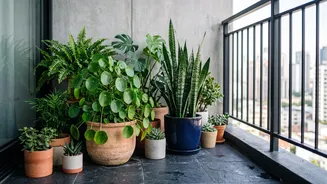
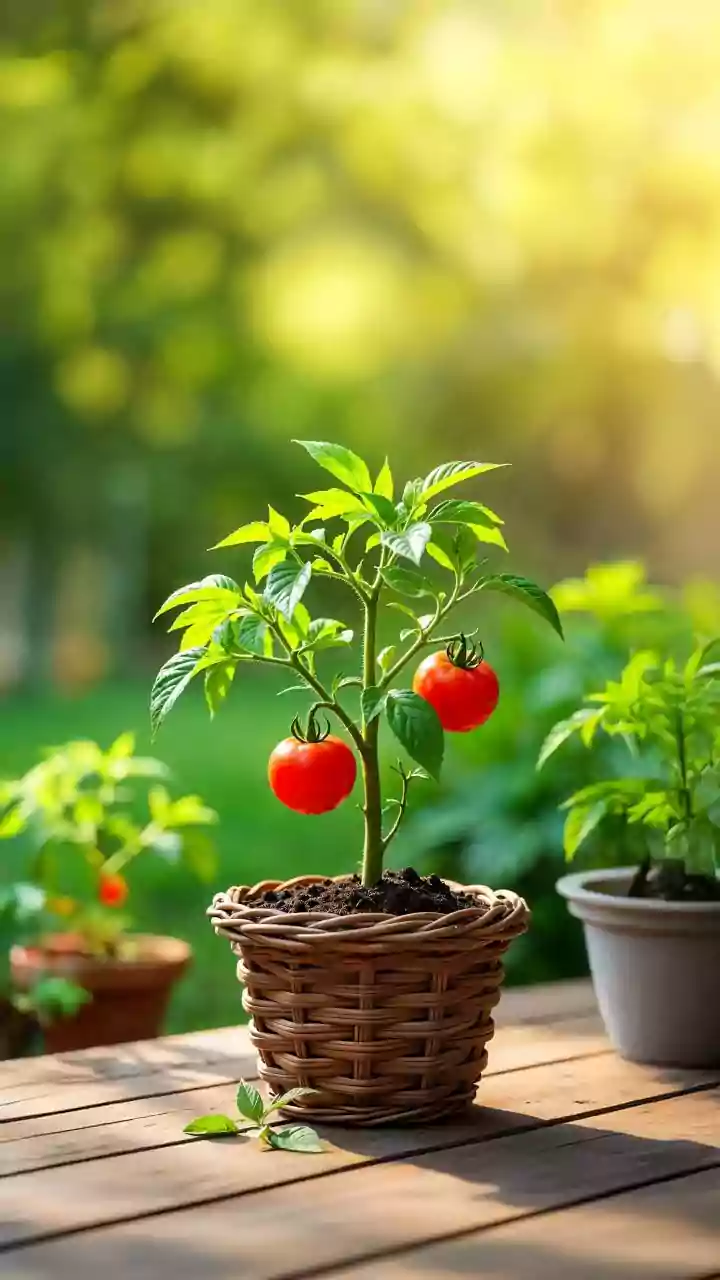
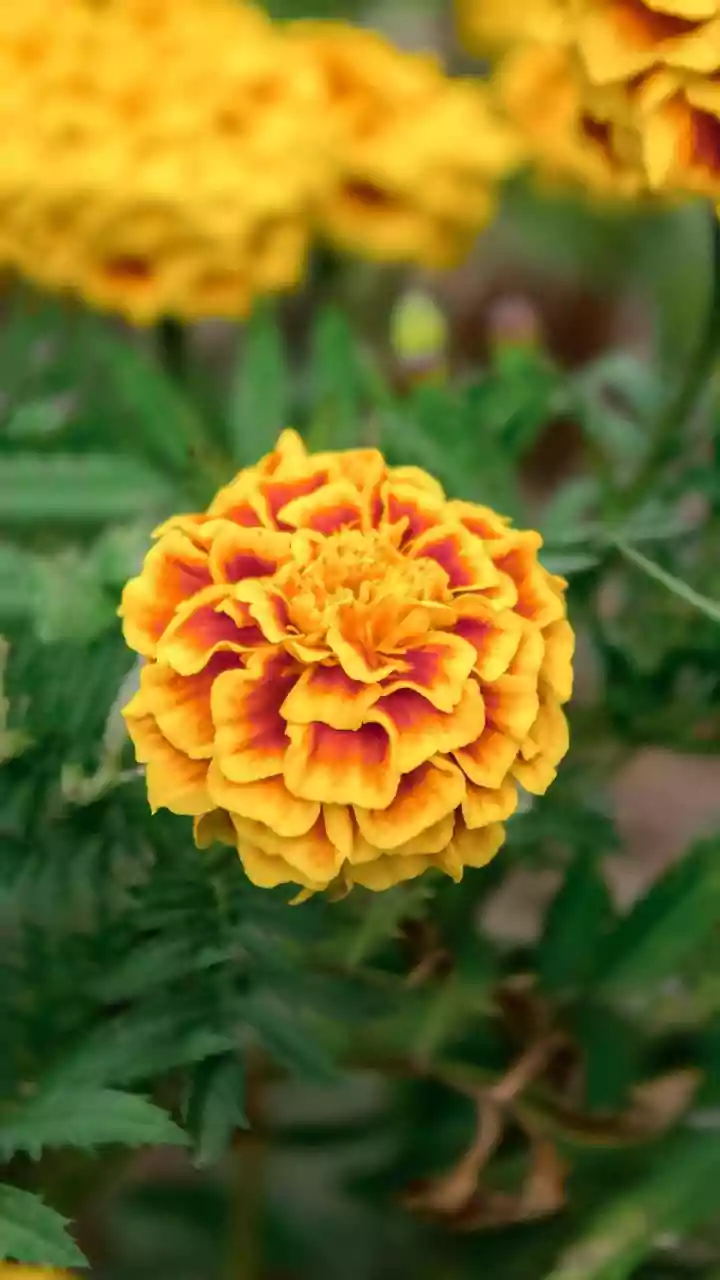
For a successful Indian balcony garden, start with plants that are known to be hardy and suitable for container living. Sun-loving flowers like marigolds and hibiscus are excellent choices for bright balconies. Herbs such as tulsi (holy basil), mint, and curry leaves (kadi patta) are not only useful in the kitchen but also grow well in pots with adequate sunlight. If you have a bit more space, compact varieties of tomato and chilli can be very productive. For lower-light conditions, consider plants like the sturdy snake plant, money plant, or areca palm. Starting with easy-to-care-for plants builds confidence and helps you learn the specific conditions of your balcony before moving on to more demanding species.
The Right Home and Regular Feeding
Choosing the right pot is as important as the plant itself. Ensure every container has drainage holes at the bottom; without them, you are setting your plants up for failure. The size of the pot also matters. Small pots dry out very quickly and restrict root growth, so opt for the largest pot you can reasonably accommodate. Nutrients in potting mix deplete over time, especially with frequent watering. To keep your plants healthy, you'll need to feed them. A balanced, all-purpose liquid fertiliser applied every few weeks during the growing season is a simple way to replenish essential nutrients and ensure your plants continue to produce lush leaves and vibrant flowers.