





Rethink Your Rainwear
Packing for the Indian monsoon is different from packing for a light shower. A simple rain-resistant jacket will saturate within hours. Instead, opt for a reliable waterproof poncho or a high-quality rain jacket with sealed seams. A poncho offers superior
ventilation and has the added advantage of covering both you and your backpack, which is a huge plus during a downpour. While umbrellas might seem like a good idea, they can be impractical and even dangerous on windy cliff edges or narrow forest trails. The goal is to manage sustained exposure to rain, not just a brief spell of it.
Choose Fabrics Wisely
The single biggest mistake you can make is packing cotton clothing. Cotton absorbs a massive amount of water, becomes incredibly heavy, and takes forever to dry, leaving you cold and uncomfortable. Instead, your entire wardrobe should consist of synthetic, quick-drying fabrics like polyester and nylon. These materials wick moisture away from your skin and dry out quickly during any break in the rain. Pack several pairs of full-length, quick-dry trek pants; they offer better protection from insects and scratches than shorts.
The Right Footwear is Crucial
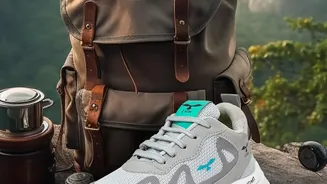
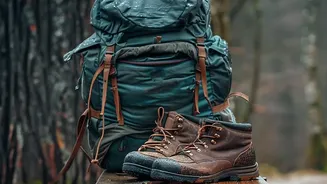
The terrain in the Western Ghats becomes extremely slippery during the monsoon, with wet rocks and muddy trails being the norm. Your footwear needs to be up to the task. Look for trekking shoes with excellent grip; soft gum rubber soles are known to perform well on wet surfaces. The lugs or grooves on the sole should be deep enough to shed mud effectively. While waterproof shoes sound ideal, they can sometimes trap water that gets in from the top, so an alternative strategy is to use non-waterproof but quick-drying shoes paired with waterproof socks. Also, pack a pair of lightweight floaters or sandals for relaxing at your accommodation, giving your feet a much-needed break.
A Multi-Layered Bag Strategy
Keeping your belongings dry requires more than just an external rain cover for your backpack. While a good rain cover is essential, it's your first line of defence, not your only one. The real secret is internal waterproofing. Use a series of dry bags or even heavy-duty plastic bags to compartmentalise everything inside your main pack. Have one for clothes, one for food, and a separate, high-quality one for your electronics and documents. This ensures that even if your main bag gets damp, your essential items remain completely dry.
The Electronics Survival Kit
Moisture is the enemy of electronics. To protect your phone, camera, and power bank, use dedicated waterproof pouches or hard-sided cases. For a budget-friendly option, good-quality zip-seal bags can offer a decent layer of protection against light rain and splashes. Always ensure these sensitive items are packed within your internal dry bag system for double protection. Remember to keep your phone, wallet, and any necessary documents in an easily accessible, waterproof pouch so you don't have to rummage through your entire pack in the rain.
Health and Safety Essentials
The monsoon brings out leeches, especially in the dense forests of the Western Ghats. While largely harmless, they can be a nuisance. Pack anti-leech socks, which are knee-length and made of a fabric that's difficult for them to penetrate. You can also tuck your long pants into your regular socks to create a barrier. Many locals and trekkers apply a salt solution, Dettol, or tobacco oil on their shoes and socks as a repellent. Your first-aid kit should be well-stocked with antiseptic liquid, bandages, and an anti-itch cream for insect bites or post-leech-bite care. A waterproof headlamp is non-negotiable for safety, especially if you're out early in the morning or late in the evening when visibility is low.