


What Exactly Is Sourdough Discard?
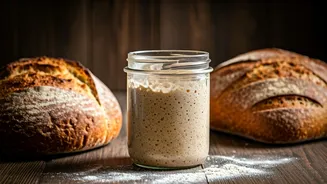
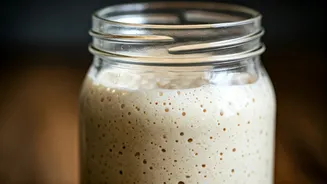
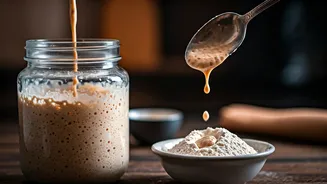
If you maintain a sourdough starter, you're familiar with the daily ritual of feeding it flour and water. To keep your starter healthy and prevent it from growing into an unmanageable size, you first have to remove a portion. That removed portion is what's
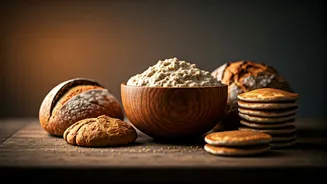
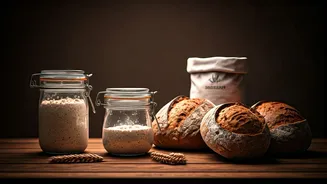
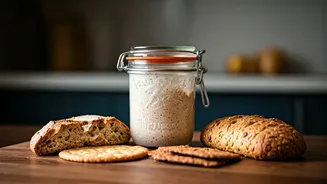
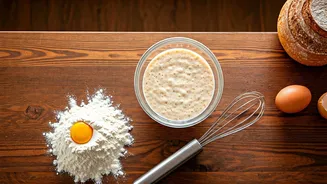
known as 'sourdough discard'. It’s essentially unfed starter, a simple mix of flour and water that's teeming with the complex flavours of fermentation but isn't active enough to make a loaf of bread rise on its own. Think of it not as a waste product, but as a flavour-packed ingredient in waiting.
The 'Problem' of Daily Waste
For many bakers, especially those in smaller urban apartments, the idea of throwing away a cup of starter mixture every day can feel incredibly wasteful. Discarding is a necessary step to manage the volume and acidity of your starter, ensuring the wild yeast and bacteria remain vigorous and ready for baking. Without this step, you would quickly have kilograms of starter to manage. This routine, while essential for the health of the starter, clashes with a modern desire for sustainability and waste reduction in the kitchen, creating a daily dilemma for the conscientious baker.
A Mindset Shift: From Waste to Ingredient
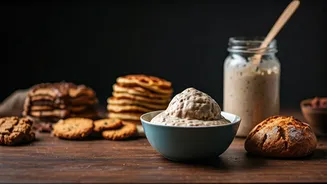
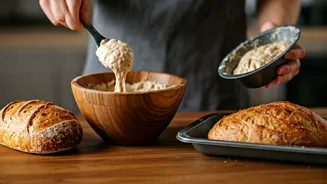
The solution lies in a simple but profound shift in perspective: sourdough discard isn’t trash; it's a culinary asset. Embracing a zero-waste ethos, bakers are discovering that discard can be collected and used to impart a rich, tangy flavour to a huge variety of other dishes. This unfed starter adds a depth similar to cultured butter or buttermilk, enhancing both sweet and savoury foods. You can collect your discard in a dedicated jar in the refrigerator for up to a few weeks, ready to be deployed whenever creativity strikes. This practice connects modern baking with age-old principles of using every last scrap in the kitchen.
Savory Sensations: Beyond the Loaf
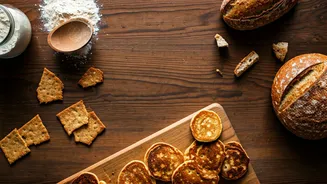
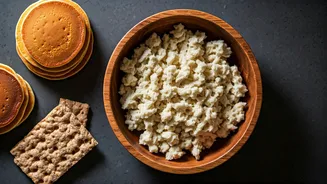
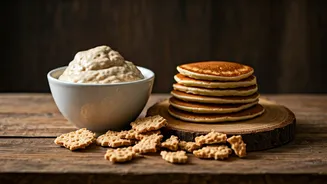
The versatility of sourdough discard in savoury cooking is astonishing. One of the most popular uses is for crackers, which can be made incredibly crispy and flavourful. You can also use it to create pizza crusts with a beautiful chew, or thin, bubbly flatbreads perfect for dipping. More adventurous cooks are using discard to make tender scallion pancakes, soft pretzels, and even as a binder in meatballs to add moisture and a subtle tang. These recipes don't rely on the discard for leavening, instead using its acidity and flavour to elevate the final dish.
Sweet Surprises: Pancakes, Waffles, and Cakes
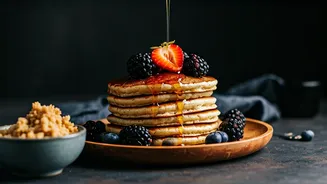
On the sweet side, sourdough discard truly shines, with its tang providing a perfect counterbalance to sugar. Fluffy pancakes and crisp waffles are classic choices, turning a regular breakfast into something special. But the possibilities extend far beyond the breakfast table. Discard can be incorporated into recipes for banana bread, muffins, scones, and even rich chocolate cakes and fudgy brownies. The acidity in the discard helps to create a more tender crumb in baked goods, all while adding a complex flavour that you wouldn't get from flour and water alone.
Tips for Using Your Discard
To get started, simply keep a clean jar in your fridge and add your discard to it after each feeding. It's generally best to use discard within one to two weeks for the freshest flavour, though it can last longer. The older the discard, the more sour it will taste, which can be desirable for certain savoury recipes. When you're ready to bake, you can use the discard straight from the fridge. For recipes that don't call for it, a general rule is to substitute equal parts of the flour and liquid in the original recipe with your discard, which is 50% flour and 50% water by weight.