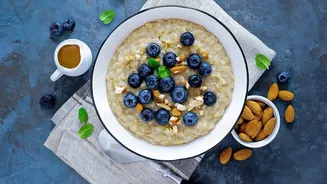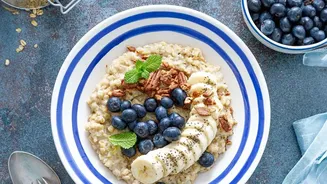





The Standard Starting Point
For anyone venturing into the world of steel-cut oats, the most common and reliable starting ratio is 1 part oats to 4 parts liquid. For example, if you use one cup of steel-cut oats, you would add four cups of water. This ratio is widely recommended
because it provides enough liquid for the tough, minimally processed oat groats to soften and cook through without becoming dry or sticking to the pan. Another popular baseline is a 1-to-3 ratio of oats to liquid, which results in a thicker, denser porridge. Think of the 4:1 ratio as your foolproof starting line for a moderately creamy bowl, and the 3:1 ratio as your go-to for a heartier, more textured result. Most packages will suggest a ratio in this range, and it’s the best place to begin your experiments.
For a Creamier, Softer Porridge
If your ideal bowl of oatmeal is silky, smooth, and porridge-like, the key is to increase the amount of liquid. By moving from a 4:1 to a 4.5:1 or even a 5:1 ratio of liquid to oats, you give the starches within the oats more water to absorb. This process, known as gelatinization, is what creates a creamier consistency. Cooking the oats 'low and slow' over a gentle heat for a longer period—typically 25-30 minutes—also encourages the grains to break down further, releasing more starch and contributing to a softer texture. For an even richer result, you can substitute some or all of the water with milk or a non-dairy alternative like almond or oat milk. The fats and sugars in milk enhance the creamy mouthfeel.
For a Chewier, Toothsome Bite
Conversely, if you prefer your oatmeal to have a distinct, chewy texture where each grain feels separate and firm, you'll want to use less water. A ratio of 3 cups of liquid for every 1 cup of steel-cut oats is ideal for achieving this result. With less liquid available, the oats will absorb just enough to become tender without breaking down into a creamy mass. This preserves the natural, nutty texture that makes steel-cut oats unique. The cooking time may be slightly shorter, around 20-25 minutes. Be sure to stir occasionally to prevent sticking, as the lower liquid content means there is less of a buffer between the oats and the hot surface of the pot. This method yields a hearty, rustic bowl that is less like porridge and more like a breakfast grain bowl.
Other Factors That Change the Game
The perfect ratio isn't just about personal preference; it can also be affected by your cooking method and preparation. For instance, if you soak your oats overnight, you'll significantly cut down on the cooking time, often to just 10 minutes. The oats absorb liquid while soaking, so you may need less water during the final cook. Cooking in an Instant Pot or pressure cooker also changes the equation. Because there's no evaporation in a sealed pressure cooker, a lower ratio, typically 1 part oats to 3 parts water, is recommended. Another pro tip for enhancing flavor is to toast the dry oats in a bit of butter in the saucepan for a minute before adding the liquid. This simple step brings out a deep, nutty aroma and flavour.
Beyond Water: Using Other Liquids
While water is the classic choice, don't be afraid to experiment with other liquids to build flavour. Using half water and half milk is a popular technique to add creaminess and richness without the risk of scorching that can come with using milk alone. Plant-based milks like almond, soy, or coconut milk work beautifully and can add subtle flavour notes that complement different toppings. For a savory twist, you can even cook steel-cut oats in vegetable or chicken broth. This transforms the breakfast staple into a versatile grain that can be topped with a fried egg, sautéed mushrooms, or fresh herbs for a satisfying lunch or dinner.