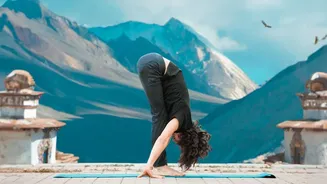


The Seated Forward Bend, or Paschimottanasana, is a classic yoga pose known for its calming effects and deep hamstring stretch. But for many, the pressure to touch the toes leads to strain. Here’s how to embrace the pose without forcing it.
Understanding the True Goal
Paschimottanasana
translates to 'Intense West Stretch', referring to the entire back side of the body (the 'west' side in traditional yoga). The aim isn't to fold yourself in half or place your nose on your knees. Instead, the primary goal is to create a safe, manageable stretch along the hamstrings and lengthen the spine. The most significant benefits—like calming the nervous system and releasing back-body tension—come from a mindful approach, not from the depth of your bend. Pushing for a deep fold often leads to the most common mistake: rounding the upper back. This shifts the stretch away from the hamstrings and puts unhealthy pressure on the lower back.
Set Yourself Up for a Better Bend
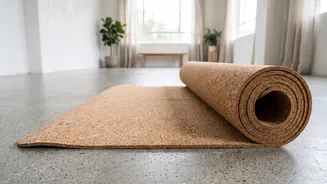
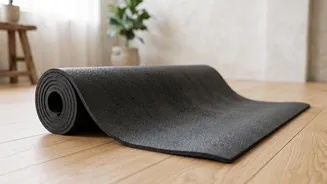
Proper setup is crucial. Start by sitting on your mat in Dandasana (Staff Pose), with your legs extended straight in front of you. Before you even think about folding, focus on your foundation. If you find your lower back immediately slumps or rolls backward, sit on the edge of a folded blanket or a cushion. This simple elevation tilts your pelvis forward, making it much easier to hinge from the hips rather than rounding from the waist. Actively flex your feet, pressing your heels away from you and pointing your toes toward the ceiling. This engages your leg muscles and prepares the hamstrings for a safe stretch.
Embrace Props as Your Best Friends
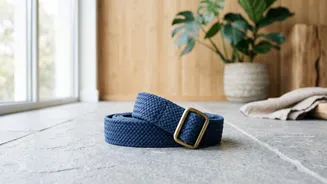
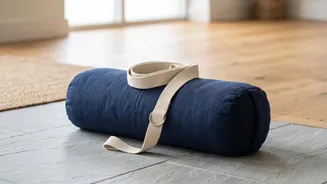
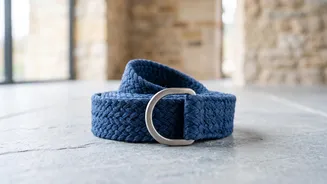
Props are not a crutch; they are tools for better alignment and a more beneficial practise. For Paschimottanasana, a yoga strap (or a belt or towel) is invaluable. Loop the strap around the balls of your feet. As you inhale, sit tall. As you exhale, begin to hinge forward from your hips, holding the strap with both hands. The strap extends your reach, allowing you to maintain a long spine without yanking with your arms. Use the strap to maintain a connection, not as a winch to drag your torso down. If your shoulders start to hunch or your elbows lock, you're pulling too hard. Keep the elbows soft and shoulders relaxed.
Modify with Bent Knees
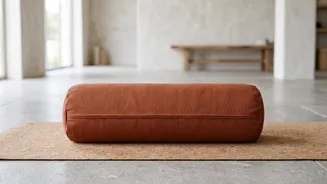
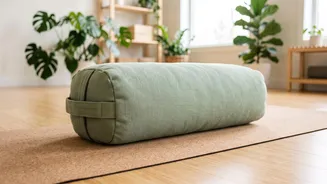
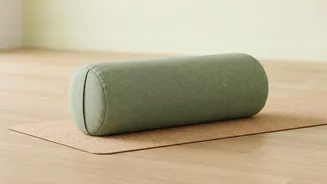
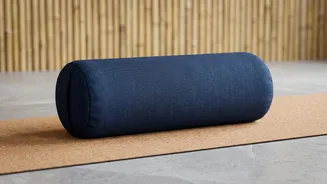
One of the most effective and accessible modifications is to simply bend your knees. Forcing straight legs when your hamstrings are tight is a recipe for lower back strain. By bending your knees, you release the intense pull on the hamstrings, which in turn allows your pelvis to tilt forward more freely. You can rest your torso on your thighs, focusing on the length of your spine. For extra support, place a rolled-up blanket or a bolster under your knees. This variation protects your hamstrings and back while still providing a gentle, calming forward fold. It's a complete expression of the pose, not a beginner-only concession.
Listen to Your Body and Breathe
Your breath is your guide. On each inhale, think about lengthening your spine, as if creating space between each vertebra. On each exhale, explore softening into the fold without force. Imagine your belly moving toward your thighs, not your head toward your knees. This cue helps maintain a long spine and encourages hinging from the hips. Pay attention to sensation. You're looking for a sustainable stretch, not sharp pain. If you feel any pinching in the lower back or sharp, nervy sensations down your legs, ease out of the pose immediately. Progress is not measured in inches, but in your ability to stay present and breathe calmly within your current range of motion.