


The Ultimate Devotee
For any discussion on cricket devotion in India, all roads lead to Sudhir Kumar Chaudhary. For years, he has been an unmissable fixture at India’s home matches. His ritual is famous: he paints his entire body in the national tricolour, with “TENDULKAR
10” emblazoned across his chest and back. Chaudhary’s dedication to his idol, Sachin Tendulkar, is the stuff of legend. He famously cycled from Bihar to Mumbai to watch a match and has even pedalled to Bangladesh and Pakistan to support the team. His passion is so profound that he postponed his own marriage to ensure he never missed a game. This level of commitment was not lost on Tendulkar himself, who, after India’s 2011 World Cup victory, famously invited Chaudhary into the dressing room to hold the trophy—a moment that immortalised the bond between a cricket god and his most ardent follower.
Ink as Adoration
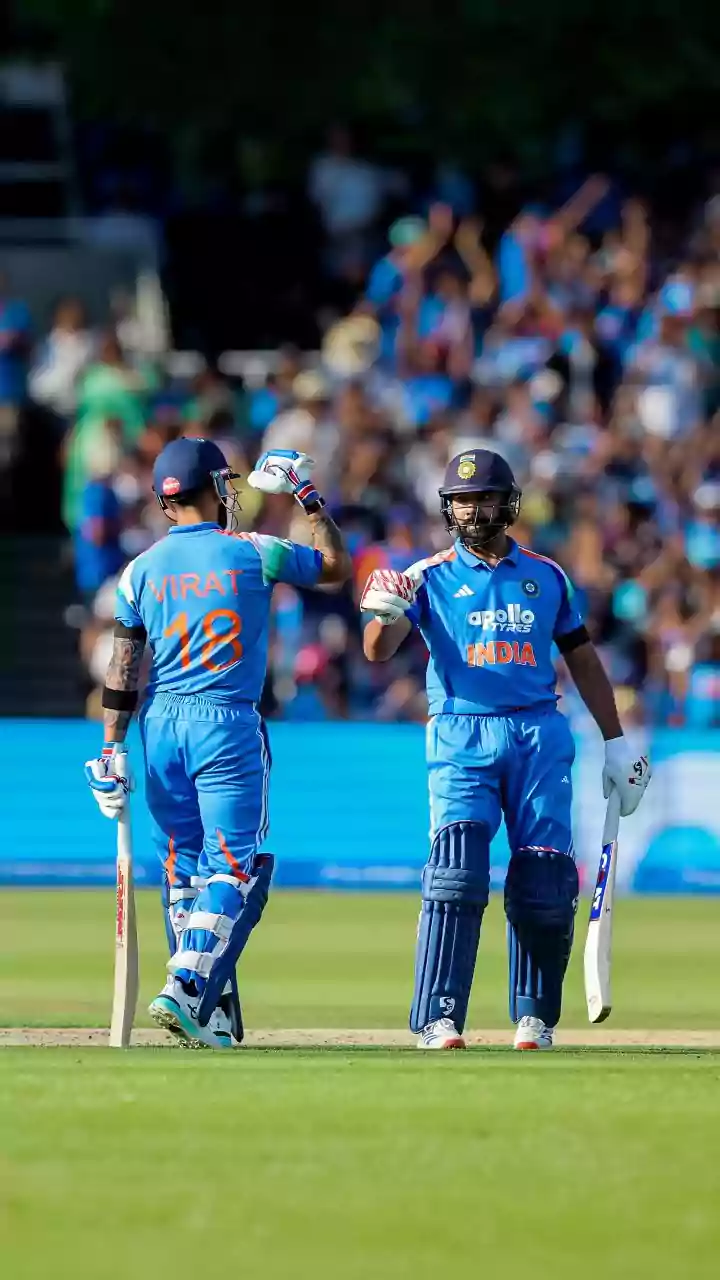
While Sudhir’s body paint washes off, a growing number of fans are choosing a more permanent tribute: tattoos. The skin of these devotees has become a canvas for celebrating modern-day heroes like Virat Kohli and MS Dhoni. Take Pintu Behera from Odisha, who has covered his body in at least 16 tattoos dedicated to Kohli. These aren't just small symbols; they include a portrait of Kohli on his chest and his jersey number, 18, on his back, alongside key career achievements. Behera spent years and a significant amount of money to meet his hero, finally succeeding in 2019. Similarly, MS Dhoni fan Jay Soni got a full-back tattoo of the former captain in 2016, a testament to a passion he hopes to one day show his idol in person. This trend isn't just one-sided; players like Kohli and Hardik Pandya are themselves heavily tattooed, creating a shared culture of self-expression through body art.
Beyond the Boundary
The worship of cricket icons extends far beyond stadiums and tattoo parlours. It manifests in a spectrum of behaviours that highlight the deep emotional investment of fans across the country. There are tales of fans who undertake fasts on match days, organise prayer ceremonies for a victory, or build mini-temples and museums dedicated to their favourite players in their own homes. This phenomenon is particularly visible during the Indian Premier League (IPL), where loyalties are tied to city-based franchises. Fans like Saravanan Hari, a Chennai Super Kings (CSK) supporter, paint themselves head-to-toe in the team’s signature yellow for every game, becoming a part of the spectacle themselves. This intense connection shows that for many, cricket is not just entertainment but an integral part of their identity and emotional landscape.
The Psychology of 'Bhakti'
So, why does fandom in India so often translate into what can only be described as worship? The answer may lie in the cultural concept of 'bhakti'—a form of active, emotional devotion traditionally reserved for deities. In a nation of over a billion people, cricketers often fill a vacuum for accessible, unifying heroes. They are symbols of aspiration, meritocracy, and national pride. Their on-field battles provide a shared narrative that cuts across class, caste, and religion. When Sachin Tendulkar hit a century, the entire country celebrated; when India lost, families reportedly wouldn't cook dinner. This collective experience fosters a sense of belonging and shared identity that is incredibly powerful. The players are not just athletes; they are the vessels for the hopes and dreams of millions, making the devotion they receive both deeply personal and intensely public.