





1. Bhutta (Roasted Corn on the Cob)
There is no sight more quintessentially monsoon than a street vendor expertly roasting corn over a bed of hot coals. This simple pleasure is easily recreated at home. Bhutta, or roasted corn, is more than just a snack; it's a seasonal delight. Corn is at its
freshest during this time, and roasting it brings out its natural sweetness. For home cooks, simply char the cobs over an open gas flame or on a grill. The magic, however, is in the seasoning. Rub the hot cob with a mixture of lemon juice, salt, and a pinch of red chilli powder. This combination of smoky, tangy, and spicy flavours is the taste of the monsoon in a single bite. Beyond its comforting warmth, corn is also a good source of fibre and essential nutrients, making it a wholesome choice for a rainy day.
2. Pakoras with Adrak Chai
The pairing of crispy, deep-fried pakoras with a steaming cup of ginger-infused tea (adrak chai) is an iconic duo, deeply woven into the fabric of monsoon traditions across India. The cooler, damp weather instinctively makes us crave hot, crunchy, and flavourful foods. Pakoras, which are fritters made by dipping vegetables like onions, potatoes, or spinach in a spiced gram flour (besan) batter, fit the bill perfectly. While indulging, it's worth noting that homemade versions allow you to control the oil and hygiene, a common concern with street food during this season. The ritual of frying a fresh batch as the rain falls, filling the home with a delicious aroma, is a joy in itself. The spicy fritters, paired with the warmth and digestive properties of ginger tea, create a comforting and nostalgic experience.
3. Khichdi
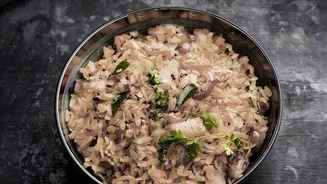
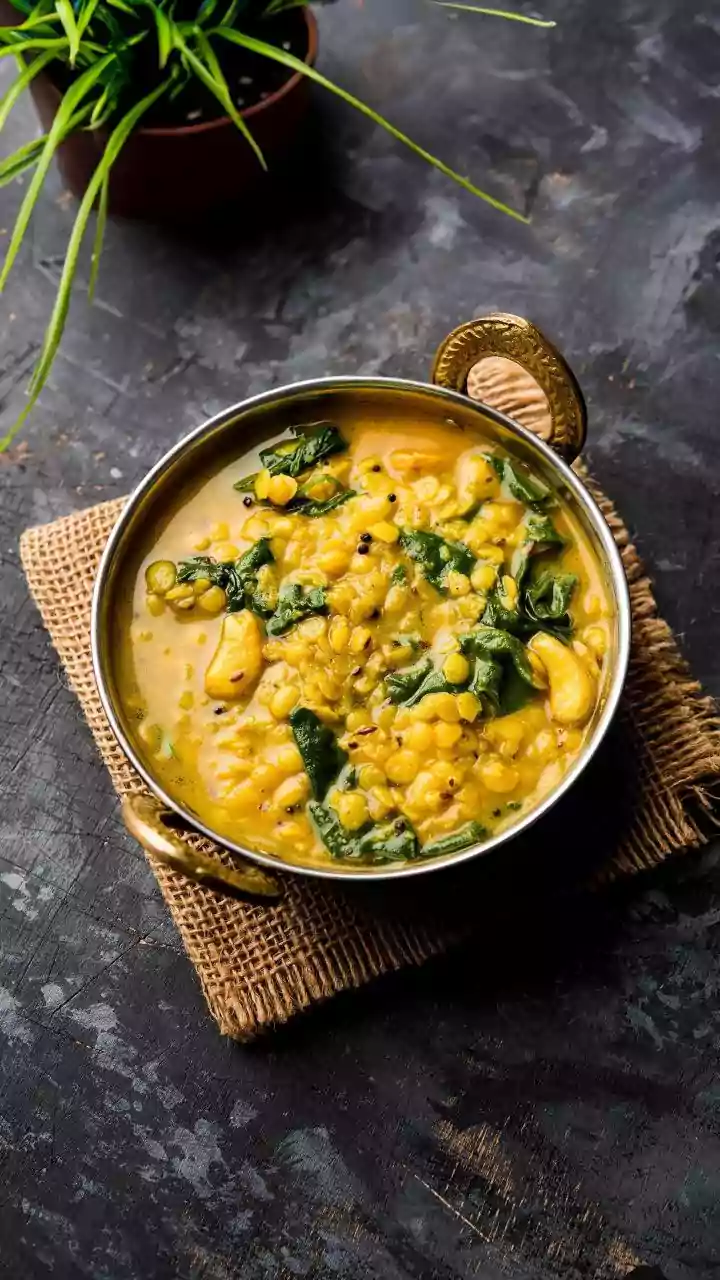
When the craving shifts from snacks to a complete, soul-soothing meal, Khichdi is the undisputed champion of the monsoon kitchen. This one-pot dish, made from rice and lentils (typically moong dal), is the embodiment of comfort. According to Ayurveda, the digestive system (Agni) can become weaker during the rainy season. Khichdi is prized for being light, nourishing, and easy to digest, making it an ideal meal. It’s a simple base that can be customized in countless ways. A basic tadka of ghee, cumin seeds, and a pinch of turmeric is classic, but you can also add seasonal vegetables to make it more wholesome. Served with a dollop of ghee, a side of plain curd, or a tangy pickle, a warm bowl of khichdi offers a complete, balanced meal that aligns perfectly with the body's needs during the monsoon.
4. Moong Dal Cheela
For a lighter, protein-packed option that still delivers on flavour and warmth, the moong dal cheela is an excellent choice. These savoury pancakes are made from a batter of soaked and ground moong dal (split yellow lentils), seasoned with ginger, green chillies, and fresh coriander. Like khichdi, it leverages the digestive benefits of moong dal, which is considered light and easy on the stomach. Cheelas are pan-fried with minimal oil, making them a healthier alternative to deep-fried snacks. They can be served plain with green chutney or stuffed with a paneer or vegetable filling for a more substantial meal. It’s a versatile dish that works for breakfast, an evening snack, or even a light dinner, providing a nutritious way to satisfy monsoon cravings.
5. Hot Soups
A warm bowl of soup is a universal symbol of comfort, and during the monsoon, it serves a dual purpose of providing warmth and hydration. While classic tomato or sweet corn soups are always popular, traditional Indian preparations like rasam offer a flavourful and healthful alternative. A spicy tomato rasam, loaded with pepper and garlic, can help clear sinuses and soothe a sore throat, common ailments during the damp season. According to Ayurvedic principles, warm, cooked foods and digestive spices are recommended to keep the system in balance. Preparing a simple soup with seasonal vegetables and adding warming spices like ginger, black pepper, and turmeric is an easy way to create a nourishing and satisfying meal that keeps the monsoon chill at bay.