








The Modern Museum Experience
Forget stuffy exhibits behind velvet ropes. Belgium’s new approach to chocolate tourism is best exemplified by Chocolate Nation in Antwerp. Billed as the world's largest Belgian chocolate museum, this interactive experience takes visitors on a journey
from equatorial cocoa plantations to the port of Antwerp, using thematic rooms and impressive displays. One of its centerpieces is a gigantic fantasy machine that illustrates the chocolate-making process, explaining how that signature velvety smoothness is achieved. The tour is a multi-sensory journey that has drawn comparisons to a Disney-like experience, culminating in a tasting room with ten different types of chocolate to sample. Similar modern museum concepts can be found at Choco-Story in Brussels and Bruges, which blend history with live demonstrations and hands-on fun.
Hands-On with the Masters
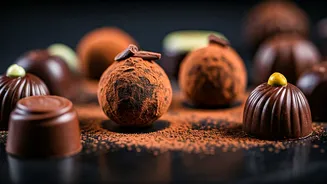
Tasting is one thing, but creating is another. A growing trend across Belgium is the rise of the chocolate workshop, offering tourists the chance to get their hands sticky and learn the craft firsthand. In cities like Brussels, Bruges, and Ghent, numerous ateliers now host daily classes. These workshops range from 90-minute sessions on making truffles and mendiants (chocolate discs studded with nuts and dried fruit) to more intensive 2.5-hour classes that cover the technical art of tempering chocolate for that perfect professional sheen. Many of these experiences are led by certified chocolatiers and take place in actual working chocolate shops, offering a peek behind the curtain of real bean-to-bar production. Participants don’t just leave with a box of self-made treats; they take home a deeper appreciation for the skill involved.
A New Guard of Chocolatiers
While historic names like Neuhaus, Godiva, and Leonidas remain pillars of Belgian chocolate, a new generation of artisans is pushing the industry forward. Innovators like Pierre Marcolini have championed the bean-to-bar philosophy for years, sourcing rare cocoa beans directly from plantations to create high-end, single-origin products. The prestigious Gault&Millau guide, a key arbiter of culinary excellence, recently named Jean-Philippe Darcis its “Chocolatier of the Year 2026” for Wallonia, praising his three decades of passion and pioneering work in the bean-to-bar movement. Meanwhile, recent awards have also highlighted rising stars like Arthur Amblard, proving the scene is vibrant with fresh talent. These chocolatiers are experimenting with bold flavor combinations, sustainable sourcing, and an artistic approach that turns each praline into a small work of art.
A Tale of Two Chocolate Cities
For any chocolate pilgrim, the journey often involves a choice between Belgium’s two chocolate capitals: Brussels and Bruges. Brussels, the nation's capital, offers a grand, cosmopolitan experience. It's home to historic chocolatiers in elegant arcades like the Galeries Royales Saint-Hubert and recently launched the “BXL Gourmand” tour, a route connecting top artisan workshops. Bruges, on the other hand, presents a fairytale setting of canals and cobblestone streets. The city boasts its own Choco-Story museum and a dense concentration of artisan shops, some of which have been run by the same families for generations. While Brussels feels like the bustling heart of the chocolate empire, Bruges offers a more intimate, storybook experience. The good news is they are only an hour apart by train, making it easy to experience both.