

The Power of a Single-Purpose Zone
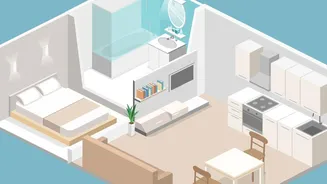
The idea is simple: instead of having a dining table that is also a work desk, a laundry-folding station, and a place for the kids’ homework, you dedicate specific nooks to specific tasks. This concept, often called ‘zoning’ in interior design, is about
creating clear, functional areas within a larger room. A zone doesn't need walls; it can be defined by a small rug, a change in wall colour, or a specific piece of furniture. It’s a mental and visual cue that tells your brain, “this is the spot for reading,” or “this is where I work.” This move away from purely multi-functional spaces and towards dedicated zones helps reduce chaos and makes a home feel more intentional.
Less Clutter, More Calm
A primary benefit of this approach is psychological. A cluttered environment can create a low-level, constant sense of stress and anxiety. When your environment is organised and every item has a home, your mind can relax. Having a dedicated spot for your work laptop means you can physically leave your work at the end of the day, allowing for better mental separation. A fixed reading corner becomes a sanctuary, a signal to unwind. This sense of order gives you a feeling of control over your environment, which is crucial for mental well-being, especially when the world outside feels chaotic.
Making It Work in the Indian Home
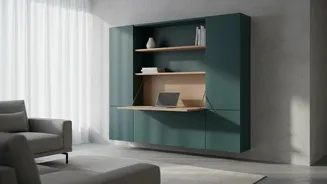
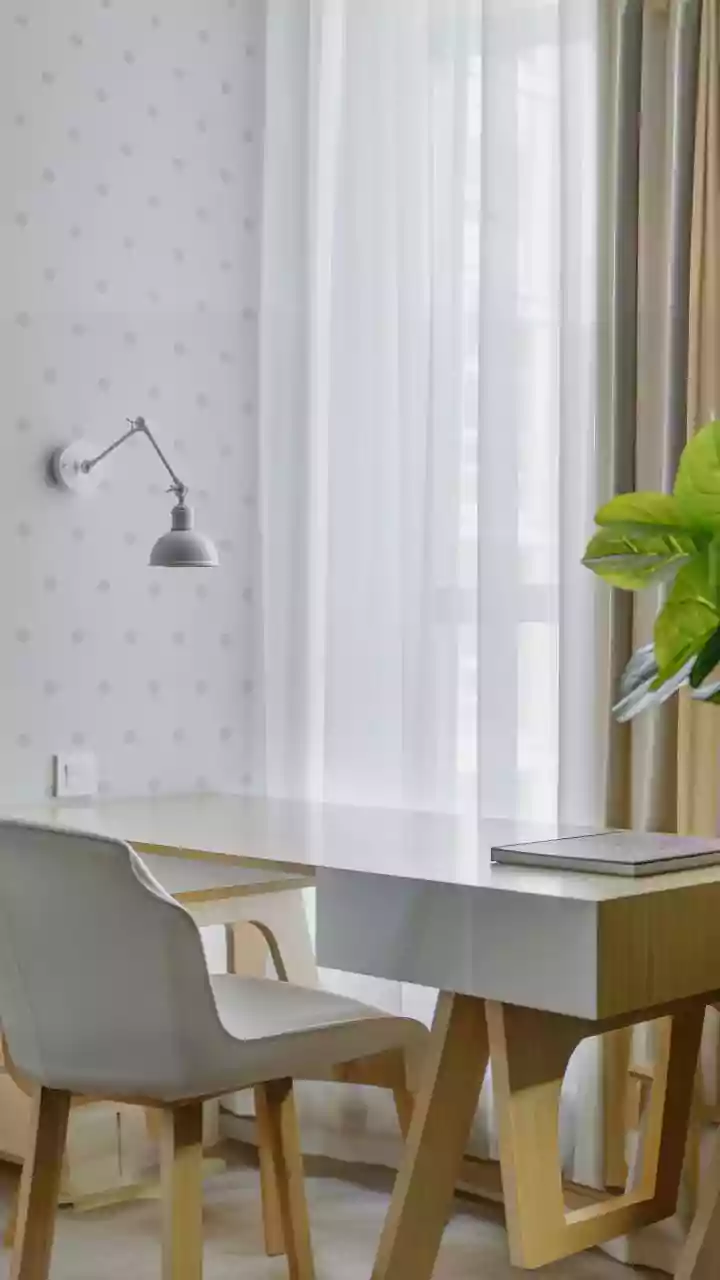
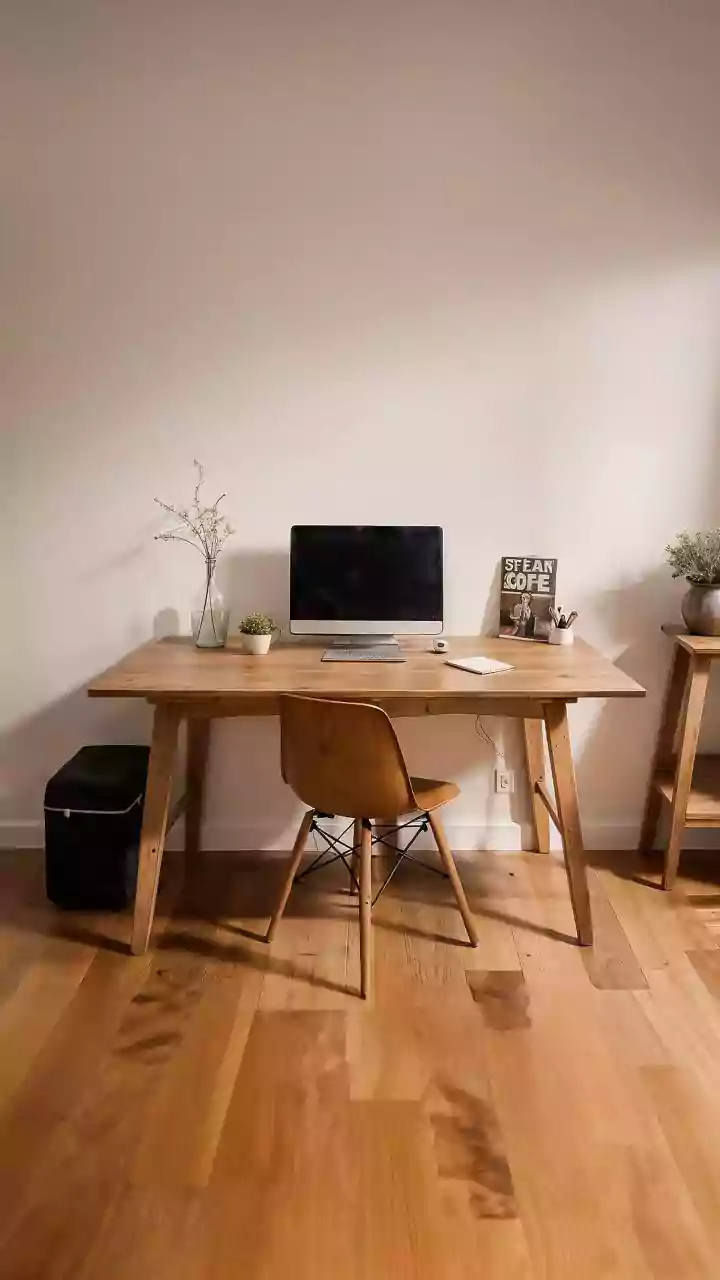
This principle is already beautifully embedded in many Indian homes with the pooja corner—a perfect example of a small, dedicated zone that serves a single, important purpose. We can extend this logic to other daily activities. A small, wall-mounted shelf with two hooks can become a designated chai and coffee station, freeing up kitchen counter space. A narrow console table in the entryway with a bowl for keys and a rack for mail immediately contains clutter upon arrival. For those working from home, a small, foldable wall-mounted desk in a corner can create a defined office, helping improve focus and productivity.
How to Carve Out Your Own Zones
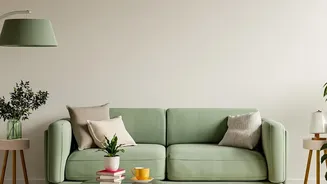
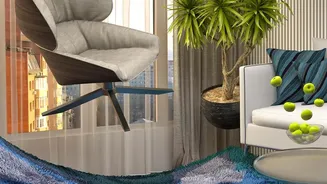
Start by identifying a recurring activity that lacks a proper home. Is it your morning yoga? Your child’s art projects? Next, find a small, underutilised area—a corner, a stretch of wall, or the space under a window. Define this new zone visually. A simple runner rug can demarcate an entryway. A comfortable armchair, a floor lamp, and a small side table instantly create a reading nook. Even using a different, subtle paint colour for one part of a wall can create a visual boundary. The key is to be intentional. The goal isn't to fill space but to assign a clear function to it, making your home work better for you.