






What 'Processed' Really Means
First, let's clarify what 'processed food' actually is. According to health authorities, processing is any deliberate change to a food from its natural state. This can be as simple as washing, chopping, or freezing vegetables. It also includes pasteurising
milk to make it safe, milling wheat into atta, or canning tomatoes so they can be enjoyed year-round. Many of these processes are not just harmless; they are beneficial, helping with food safety, preservation, and reducing waste. Therefore, branding all processed foods as 'bad' is an oversimplification that ignores the essentials in our kitchens.
A More Useful Framework: The NOVA System
To navigate this complex world, nutrition scientists developed the NOVA classification system. Proposed by researchers in Brazil, this system doesn't focus on nutrients like fat or sugar, but rather on the extent and purpose of the processing a food undergoes. It divides everything we eat into four distinct groups, offering a much clearer way to assess our diets than a simple 'processed vs. unprocessed' label. This framework helps shift the focus from vilifying all processing to understanding which types of processed foods might be a concern.
Group 1 & 2: The Foundations of Our Meals
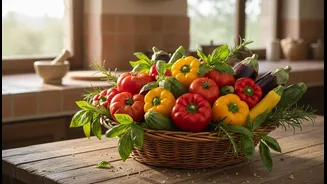
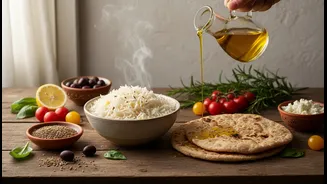
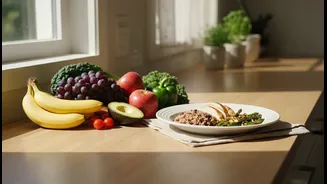
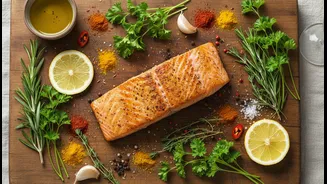
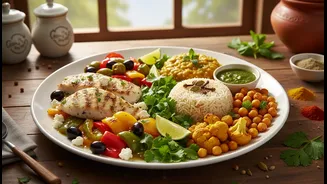
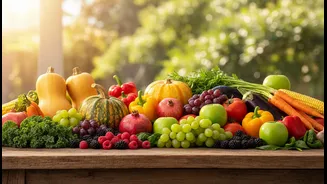
The first NOVA group is 'Unprocessed or Minimally Processed Foods'. These are whole foods like fresh fruits, vegetables, eggs, meats, and milk. This group also includes foods that have undergone minimal changes like cutting, grinding, or freezing, such as pre-cut vegetables, atta, or plain oats. The second group, 'Processed Culinary Ingredients', includes items extracted from Group 1 foods or from nature, like oils, butter, ghee, sugar, and salt. These aren't meant to be eaten alone but are used to prepare and season meals made from Group 1 foods. Together, these two groups form the basis of home cooking.
Group 3: The Convenience of Processed Foods
The third group, simply called 'Processed Foods', consists of relatively simple products made by adding ingredients from Group 2 (like salt, sugar, or oil) to foods from Group 1. Examples include freshly baked bread, cheese, paneer, canned fish, and vegetables in brine. The main purpose of the processing here is to increase durability or enhance taste. These foods can certainly be part of a healthy, balanced diet, offering convenience without the extensive alteration seen in the final category.
Group 4: The Real Concern—Ultra-Processed Foods
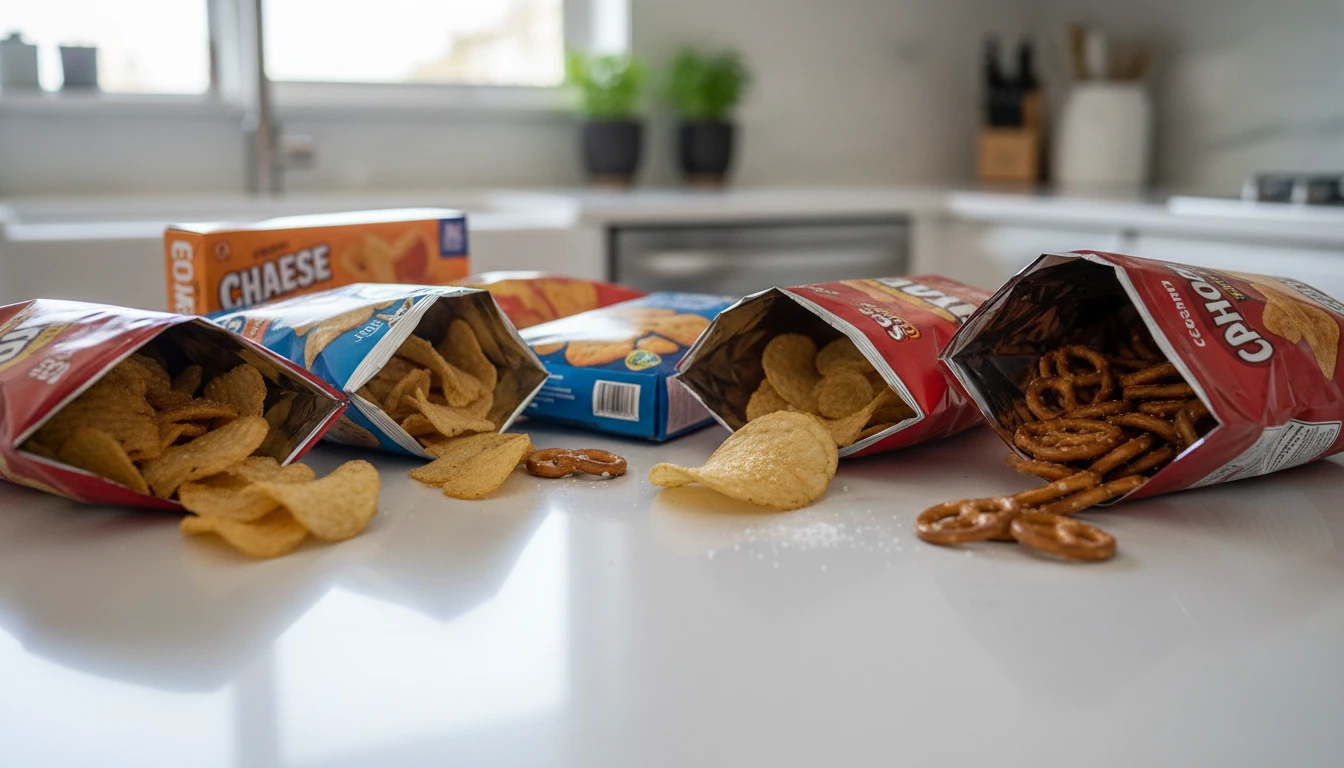
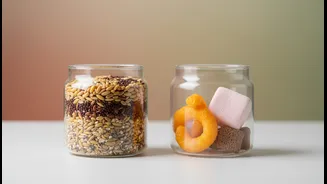
This is the category that drives most of the health concerns: 'Ultra-Processed Foods' (UPFs). These are not just modified foods; they are industrial formulations made from substances extracted from foods or synthesised in labs. Think instant noodles, sugary breakfast cereals, packaged chips, sodas, and many ready-to-eat meals. These products often contain long lists of ingredients, including additives like flavour enhancers, colours, and non-sugar sweeteners. A large body of research links high consumption of UPFs to adverse health outcomes, including a higher risk of obesity, type 2 diabetes, heart disease, and other chronic conditions.
Why This Nuance Is a Game-Changer
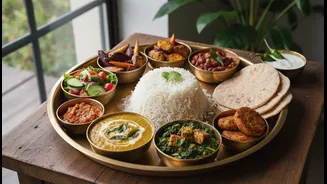
Understanding these categories empowers us to make smarter choices without unnecessary stress. The goal isn't to live a life free of any processed food—a nearly impossible task. Fortified cereals can provide essential nutrients, and canned beans offer a quick, healthy source of protein and fibre. The problem arises when a diet becomes dominated by ultra-processed foods, which are often designed to be hyper-palatable, encouraging overconsumption while displacing more nutritious options. Even in India, where traditional diets are rich in whole foods, the rise of convenient, packaged UPFs is a growing concern for public health.