

The Rise of the Anti-Open-Plan Room
The den, traditionally a small, cozy room for quiet activities, is re-emerging as an essential component of the modern home. After years where living, dining, and cooking spaces bled into one another, the demand for separation is growing. This isn't a rejection
of spaciousness but a recognition that different activities require different environments. The 2026 design landscape is defined by a move toward multifunctional and flexible layouts that allow rooms to serve multiple, distinct purposes. The den’s comeback is a direct response to our homes having to serve as offices, schools, and gyms. We now seek a dedicated space purely for disconnection and personal pursuits, a sanctuary from the demands of a hyper-connected life.
More Than Just a Home Office
It’s crucial to distinguish the den from the home office. While both offer seclusion, their purposes are opposite. The home office is for productivity and professional obligations. The den is a place for intentional leisure. It’s a space designed to support emotional well-being by encouraging comfort, pause, and focus on non-work activities. Environmental psychology shows that our surroundings signal to our brains how to feel and act. When your workspace is also your relaxation space, the brain struggles to switch off, leading to low-level alertness and stress. A den creates a physical boundary that tells your brain it's time to transition from work mode to rest mode, making leisure more restorative.
The Psychology of a Personal Sanctuary
Having a dedicated space for hobbies does more than just keep clutter contained; it provides significant mental health benefits. Engaging in hobbies like art, reading, or crafts is proven to reduce stress, anxiety, and depression. One study found that a 45-minute art session lowered stress hormones in 75% of participants. A hobby room removes the friction between wanting to relax and actually doing it. When your supplies are ready in a designated area, the mental transition into a state of 'flow'—or deep, enjoyable focus—happens more easily. An organized, dedicated space boosts focus and reduces the mental toll of disorganization, making your hobby a true escape.
Creating a Den in an Indian Context
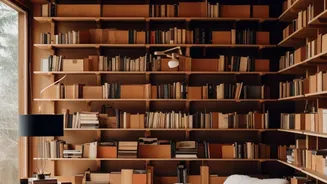
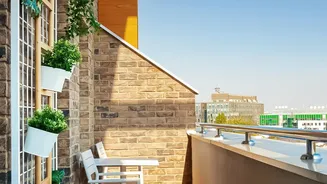
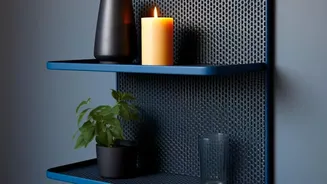
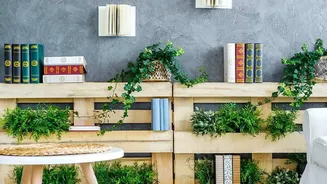
The idea of a spare room dedicated to hobbies might seem like a luxury, but the concept is highly adaptable, even for compact urban apartments common in India. The key is not the size of the room, but the creation of a distinct zone. An unused corner of a bedroom or living room, a window seat, or a small balcony can be transformed into a perfect reading nook. In smaller spaces, wall shelves can replace bulky tables, and smart furniture like a bench with built-in storage can control clutter. The goal is to carve out a psychological boundary, using a curtain, a screen, or even just a rug to define your personal sanctuary and make it feel intentional.
Designing Your Nook for Hobbies and Reading
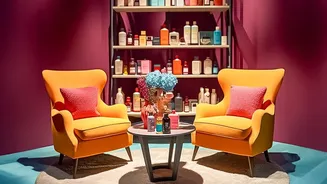
To create an effective den or nook, focus on comfort and function. Start with the most comfortable chair you can fit in the space. Good, layered lighting is essential; combine a softer lamp for ambience with a brighter, focused light for reading or detailed craftwork to avoid eye strain. A small side table or peg stool is useful for holding a book, a cup of tea, or craft supplies. Finally, make the space feel personal with textures, cushions, and art that you love. The aim is to create a corner that feels warm and lived-in, not like a showroom, encouraging you to return to it regularly for moments of quiet joy.