







The Shifting Professional Landscape
The post-pandemic work culture has fundamentally reshaped professional life in India. With remote and hybrid models becoming mainstream, employees are no longer tethered to their office desks in bustling metros. This has spurred a quiet revolution, particularly
among professionals in Tier 2 cities like Jaipur, Kochi, and Coimbatore. Freed from the daily commute and high urban living costs, they are seeking 'workcations' that blend productivity with peace. Instead of a quick weekend trip, these employees are booking stays for weeks, sometimes even months, transforming scenic destinations into temporary workplaces. This trend isn't just about a change of scenery; it's a deliberate move towards a better quality of life and work-life integration.
Coorg's Unique Off-Season Charm
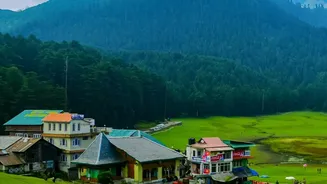
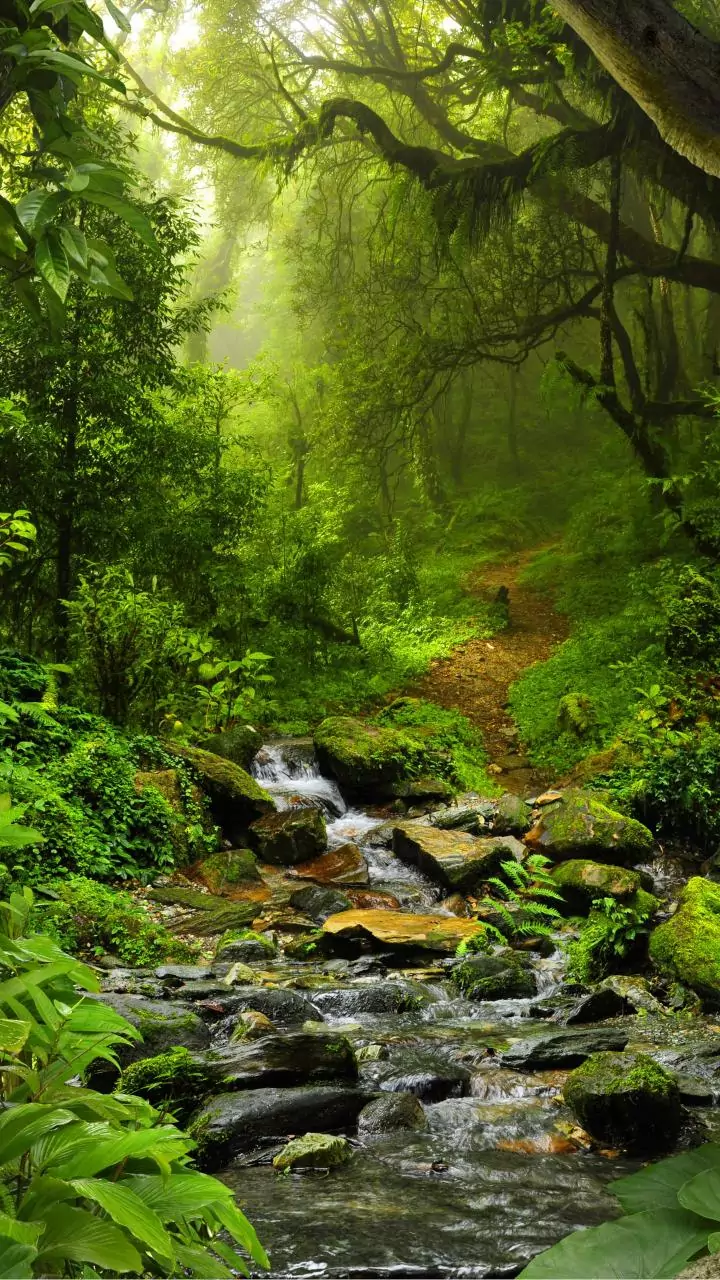
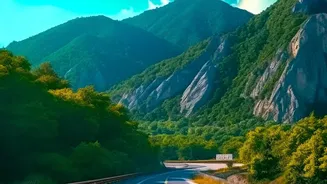
Coorg, often called the 'Scotland of India', has long been a popular tourist destination, but traditionally, the monsoon season from June to September was considered the 'off-season'. However, this perception is changing, thanks to the rise of 'slow travel'. During these months, the region transforms into a lush, green paradise with roaring waterfalls and a serene, misty atmosphere that many now actively seek. For remote workers, this period is ideal. The tourist crowds are thinner, and homestay tariffs can drop by 20-35% compared to the peak winter season. This allows for a more immersive and affordable experience, turning the rainy season into a sought-after window for a peaceful work retreat.
A Win-Win for Workers and Owners
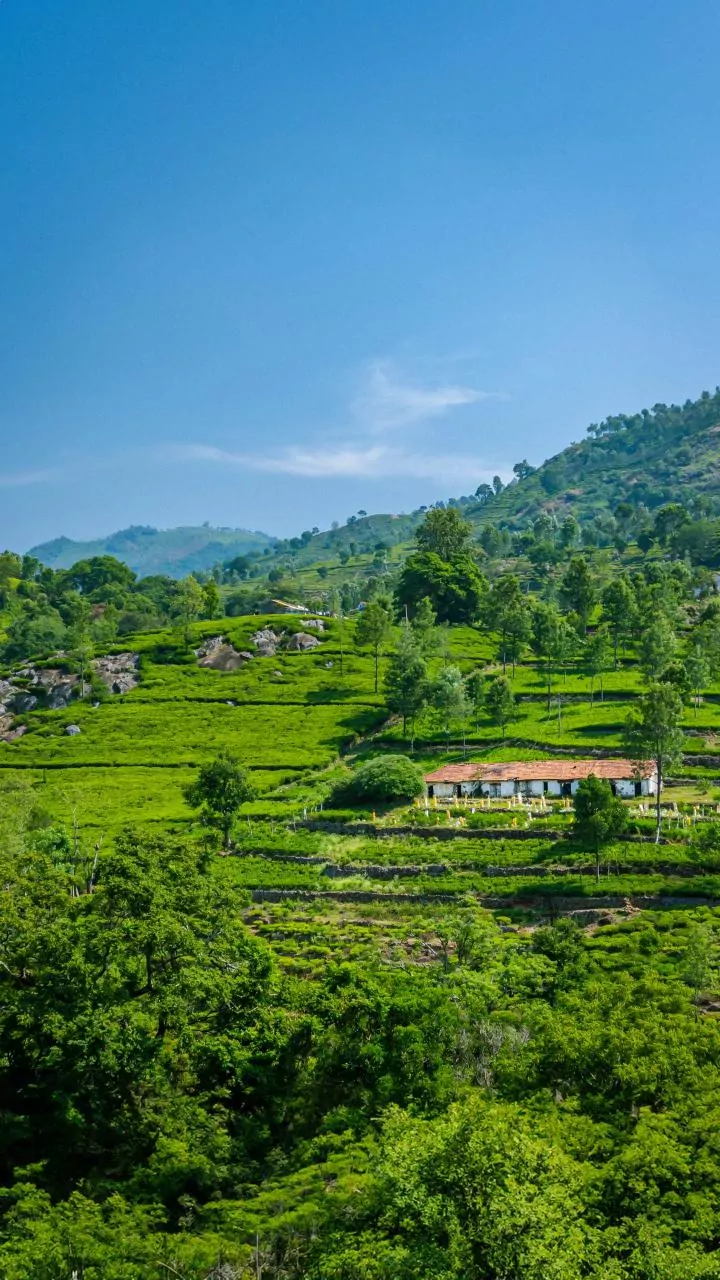
This trend creates a powerful symbiotic relationship. For the remote employee, the benefits are clear: a tranquil environment free from urban chaos, which can boost creativity and mental well-being. A day's work might be punctuated by a walk through a coffee plantation, the air thick with the smell of blossoms and wet earth. For the coffee estate and homestay owners, this new wave of long-stay guests provides a crucial, steady stream of income during what was once a lean period. With the coffee industry facing challenges like low prices and rising labour costs, this diversification into hospitality offers a much-needed economic cushion. It allows them to generate revenue without being solely dependent on the volatile tourism and agricultural cycles.
The Makings of a Perfect Workstation
Estate owners have been quick to adapt to the needs of their new clientele. Recognizing that a stable internet connection is non-negotiable, many homestays now guarantee high-speed Wi-Fi, often testing it to ensure it can handle video calls and seamless remote work. Properties are marketed as 'workation-ready', featuring dedicated workspaces, comfortable seating, and power backups. The offering is simple but effective: all the tools needed for a productive workday, combined with the unparalleled amenity of nature. After logging off, a professional can explore nearby waterfalls, go for a trek, or simply enjoy a cup of freshly brewed local coffee on the porch.
More Than Just an Economic Boost
The impact extends beyond just financial transactions. The arrival of professionals from different parts of the country brings a diversity of perspectives and skills into these rural communities. It fosters a cultural exchange that enriches both the visitor and the host. For the local economy, the spending of these remote workers supports not just the homestays but also local cafes, shops, and transport providers. This influx helps create a more resilient local economy and can even spur improvements in local infrastructure. This model, where professionals invest their income in the communities they temporarily inhabit, points towards a more distributed and sustainable form of economic growth.