





The New Digital Dollhouse
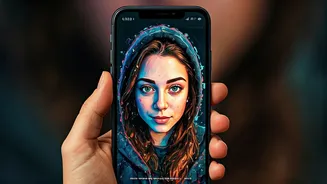
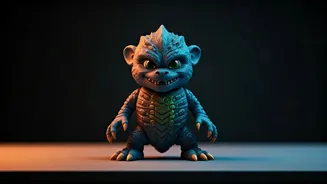
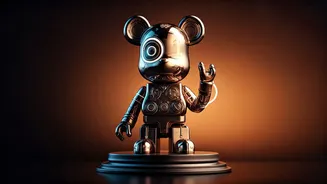
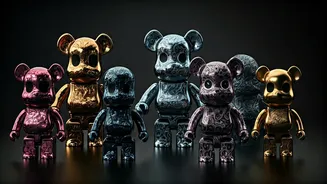
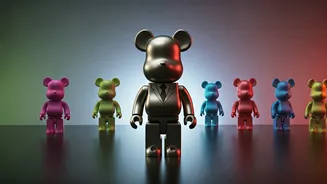
The aesthetic is unmistakable. It’s characterized by impossibly large, expressive eyes, flawlessly smooth skin with a synthetic sheen, and hair that looks moulded from a single piece of colourful plastic. It’s a look that screams ‘Pixar character meets
high-end collectible doll,’ and it has taken over pockets of social media. Influencers, creators, and everyday users are trading their regular portraits for these hyper-stylised, AI-generated avatars. It’s not just a filter that adds cartoon ears; it’s a complete reimagining of the self, transforming a person into an idealized, animated object. This isn't about looking like someone else, but rather a perfected, toy-like version of oneself, ready for a digital display case.
From Selfie to Figurine: The Tech Behind It
This transformation isn't the result of hours in Photoshop. It’s the work of increasingly sophisticated and accessible AI photo-editing apps. Tools like Remini, Lensa AI, and Picsart are at the forefront of this trend. The process is deceptively simple: a user uploads a handful of their own selfies to the app. The AI then analyses these facial features and, using a pre-trained style model, generates a completely new set of images. The ‘Pixar’ or ‘toy figure’ look is just one of many styles available, but its popularity has skyrocketed. The technology leverages generative AI to create these novel portraits, effectively using the user’s face as a prompt to create something entirely new while retaining a recognisable likeness. It’s a powerful demonstration of how AI has moved from a niche technical field to a mainstream creative tool, sitting right in our pockets.
The Allure of Cartoon Perfection
So, why the obsession with looking like a toy? The appeal is multi-layered. Firstly, there’s the powerful pull of nostalgia. For a generation that grew up on a steady diet of Disney, Pixar, and DreamWorks animation, seeing oneself rendered in that familiar, beloved style is a fantasy fulfilled. It taps into a childhood dream of being a character in one of those iconic films. Secondly, it offers a novel form of escape from the pressures of maintaining a ‘perfect’ online presence. Instead of striving for an unattainable real-world beauty standard, this trend allows users to opt for an entirely fantastical one. It’s a form of digital dress-up where all imperfections are sanded away by an algorithm, leaving only a charming, flawless figurine in its place. There's a playful, low-stakes fun to it that feels refreshing in the curated world of social media.
A Homogenised Hall of Mirrors?
While the trend is largely seen as harmless fun, it also raises interesting questions about digital identity and beauty standards. Critics point out that even in its cartoonish form, the aesthetic often defaults to a specific, narrow ideal: large eyes, small noses, and smooth, blemish-free features. As more people feed their faces into the same algorithms, a subtle aesthetic homogenization can occur. Instead of celebrating unique features, the AI can smooth them over, creating a sea of similar-looking digital dolls. It shifts the goalposts of beauty from an unachievable human standard to an unachievable digital one. Is this a new frontier of creative self-expression, or is it just another way to feel inadequate next to a perfected, algorithmically generated version of ourselves?
Beyond the Toy Story
This glossy figure trend is more than just a passing fad; it’s a signpost for the future of online identity. It represents one of the first truly mainstream applications of generative AI for personal expression. As these tools become more powerful and integrated into our daily platforms, the line between the real and the rendered will only continue to blur. We are moving towards an era where our digital avatars may become as important as our physical selves, customisable in ways we're only beginning to imagine. From here, it's a short leap to fully animated AI versions of ourselves for video calls or interactive digital personas that exist independently online. The toy-ification of Instagram is just the opening chapter.