








Why Humidity Worsens Oily Skin
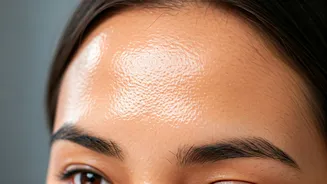
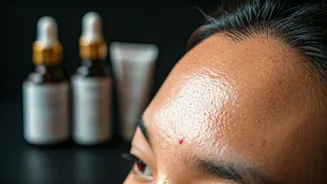
The primary culprit behind that extra shine during the monsoon is the spike in humidity. High moisture in the air signals your skin's sebaceous glands to go into overdrive, producing more sebum (oil). This excess oil, combined with sweat and environmental
pollutants, can lead to clogged pores, which creates the perfect environment for acne-causing bacteria to thrive. The result is a cycle of stickiness, blackheads, and unexpected pimples that can put a damper on your rainy-day glow. Understanding this reaction is the first step to combating it effectively.
Cleanse Gently, Not Aggressively
When your face feels like an oil slick, the first impulse is to wash it repeatedly with a harsh cleanser. However, this is counterproductive. Over-washing can strip your skin of its natural oils, causing it to produce even more sebum to compensate. Dermatologists recommend cleansing just twice a day with a gentle, gel-based, or mild foaming cleanser. Look for formulations containing salicylic acid, a beta-hydroxy acid (BHA) that penetrates deep into pores to dissolve oil and dead skin cells, helping to prevent breakouts without causing excessive dryness.
Embrace Lightweight Hydration
One of the biggest myths is that oily skin doesn't need a moisturiser, especially in humid weather. The opposite is true. Skipping moisturiser can dehydrate your skin, prompting it to produce more oil. The key is to choose the right kind of hydration. Switch from heavy creams to lightweight, oil-free, and non-comedogenic (pore-clogging) formulas. Gel-based or water-based moisturisers are ideal for the monsoon. Look for ingredients like hyaluronic acid, which provides intense hydration without any heaviness, and niacinamide, which helps regulate oil production and improve the skin barrier.
Use Targeted Serums and Toners
Incorporating a targeted serum or an alcohol-free toner into your routine can make a significant difference. After cleansing, an alcohol-free toner can help balance your skin's pH and remove any last traces of impurities. Following up with a lightweight serum can deliver potent ingredients directly to your skin. Niacinamide (Vitamin B3) is a superstar ingredient for oily skin, known for its ability to regulate sebum, minimise the appearance of pores, and reduce inflammation. Serums with salicylic acid or antioxidants like Vitamin C can also help protect the skin and keep it clear.
Don't Skip Sunscreen, Rain or Shine
Cloudy skies are deceptive; harmful UV rays can easily penetrate through them and cause significant skin damage, which can worsen acne marks and pigmentation. Sunscreen is a non-negotiable step in any skincare routine, all year round. During the monsoon, opt for a lightweight, gel-based, or fluid sunscreen with a matte finish. A broad-spectrum formula with an SPF of 30 or higher will provide adequate protection without adding to the greasy feeling. Reapplying every few hours is crucial, especially if you've been in the rain or sweating.
Weekly Rituals for a Deeper Clean
To keep clogged pores at bay, add a couple of weekly treatments to your regimen. Exfoliating once or twice a week with a gentle chemical exfoliant (containing AHAs or BHAs like glycolic or salicylic acid) helps slough off dead skin cells that can trap oil. Avoid harsh physical scrubs, which can irritate the skin and trigger more oil production. Additionally, using a clay mask once a week is an excellent way to absorb excess oil and impurities from your pores. Masks with ingredients like bentonite or kaolin clay (multani mitti) are particularly effective for a deep cleanse.