




First, What Is Ragi?
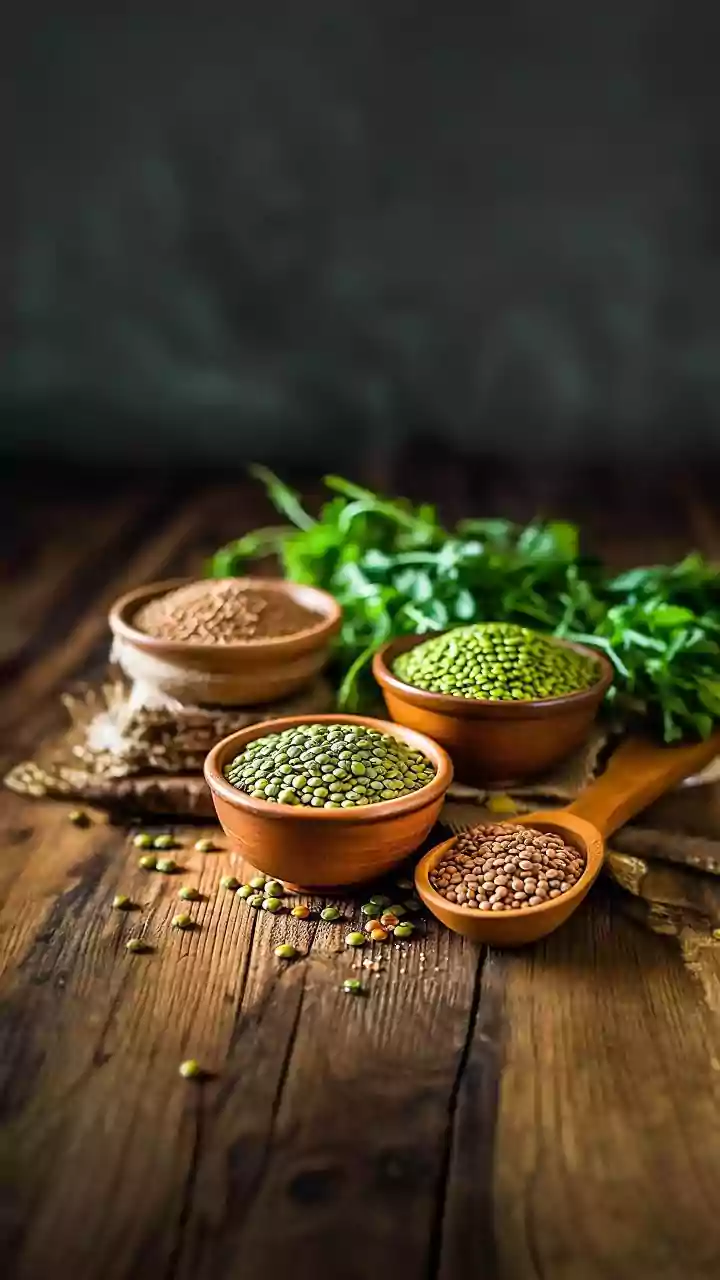
Before we get to the dosa, let's talk about its star ingredient. Ragi, also known as finger millet, is an ancient superfood that has been a staple in parts of India, particularly in the south, for centuries. This hardy, drought-resistant crop has a distinct
reddish-brown hue and a mild, nutty flavour. For years, it was often seen as a 'rural' or 'old-fashioned' grain, but modern nutrition science has brought its incredible benefits back into the spotlight. It’s naturally gluten-free and boasts a nutritional profile that puts many other popular grains to shame.
A Nutritional Powerhouse
So, what makes ragi so special? It's all in the nutrients. Ragi is one of the richest plant-based sources of calcium, crucial for bone health. A single serving can contain significantly more calcium than an equivalent serving of wheat or rice. It's also packed with iron, which is vital for maintaining healthy blood levels and fighting fatigue. Furthermore, ragi contains important amino acids like methionine, which are often lacking in other starch-based diets. This combination of minerals and amino acids makes it a complete food that supports everything from strong bones to healthy skin and hair.
The Secret to All-Day Energy
One of the biggest wins for Ragi Dosa is its effect on your energy levels. Unlike breakfasts made from refined flours that can cause a sharp spike and then a crash in blood sugar, ragi is a complex carbohydrate. It has a lower glycemic index, meaning the energy from it is released slowly and steadily into your bloodstream. This is thanks to its high fibre content, which slows down digestion. The result? You feel full and satisfied for longer, avoiding those mid-morning hunger pangs and the urge to reach for a sugary snack. This sustained energy release is key to a productive morning.
How It Compares to Other Breakfasts
To truly understand why ragi 'wins big,' let's compare it to a few breakfast staples. A standard dosa made from polished white rice is delicious but offers fewer nutrients. It's lower in fibre, calcium, and iron, and has a higher glycemic index. Similarly, while a whole wheat paratha offers some fibre, it can be heavy and is often prepared with a lot of oil or ghee. A Ragi Dosa, especially when fermented, provides the crisp satisfaction of a dosa with the added benefits of high fibre for gut health, a rich mineral profile for overall wellness, and sustained energy for focus and vitality. It strikes the perfect balance between taste and nutrition that few other breakfast dishes can match.
Making the Simple Switch
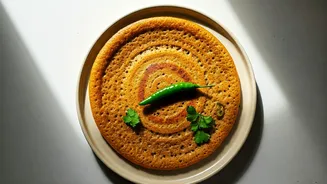
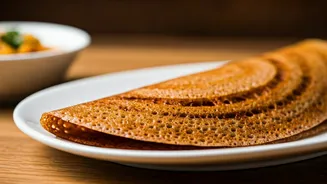
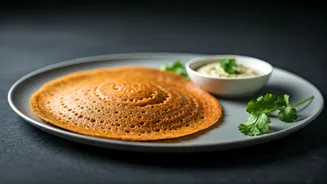
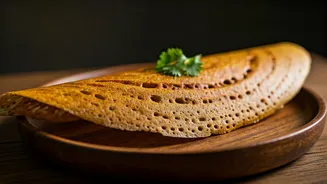
Incorporating ragi into your breakfast routine is surprisingly easy. You can find ragi flour in most grocery stores. To make Ragi Dosa, you can either use 100% ragi flour for a deep, earthy flavour or start by mixing it with your regular dosa batter in a 1:1 ratio. This is a great way to get accustomed to the taste and texture. The batter ferments just like regular dosa batter and can be made into thin, crispy dosas or slightly thicker, softer uttapams. Pair it with a simple coconut chutney or a protein-rich sambar, and you have a breakfast that's not just good for you, but genuinely delicious.