


The chickpea salad sandwich is a modern classic for a reason: it's satisfying, versatile, and packed with protein. But too often, it falls flat with a monotonous, mushy texture. Here’s how to build a better sandwich from the ground up.
The Foundation: A Creamy, Chunky Base
The heart of the
sandwich is the chickpea salad itself, and its texture is paramount. The first decision is how to mash your chickpeas. For optimal texture, avoid turning them into a uniform paste. Using a fork or a potato masher allows you to control the consistency, leaving some chickpeas partially whole for a more satisfying, chunky structure. If using a food processor, pulse sparingly. This prevents the mix from becoming watery and one-dimensional. The binder is next. While mayonnaise is traditional, you can also use Greek yogurt for a tangier, lighter base or a combination of both. For extra richness and complexity, a spoonful of Dijon mustard or tahini can also contribute to a creamier mouthfeel while adding flavour.
The Crucial Crunch: Adding Contrast
A great sandwich is a study in contrasts, and countering the creamy base with crunchy elements is non-negotiable. Finely diced celery and red onion are classic additions for a reason; they provide a fresh, sharp crunch that cuts through the richness. It's important to chop these vegetables finely so they integrate well and don't create overwhelming chunks in a single bite. Beyond the usual suspects, consider other ingredients for textural variety. Toasted walnuts, pecans, or roasted sunflower seeds add a nutty, robust crunch and extra protein. Diced pickles, relish, or capers can provide both a briny flavour and a pleasing bite.
The Fresh Bite: Herbs and Greens
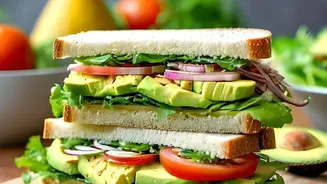
To prevent the sandwich from feeling too heavy, fresh elements are key. Chopped fresh herbs like dill, parsley, or chives introduce bright, clean flavours and a delicate texture. Fresh dill, in particular, is a popular pairing with the creamy base. Layering crisp lettuce leaves, such as romaine or iceberg, not only adds another layer of crunch but also acts as a moisture barrier, preventing the bread from becoming soggy. Other fresh additions like sprouts, thinly sliced cucumber, or juicy tomato slices can elevate the sandwich, adding moisture and a different kind of crispness right before serving.
The Vessel: Why Bread Choice Matters
The bread is more than just a container; it's a critical textural component. A soft, pillowy bread might fail under the weight and moisture of a hearty chickpea salad, leading to a soggy mess. For maximum structural integrity and a satisfying chew, opt for a sturdier bread. Toasted slices of crusty sourdough, a rustic whole-grain loaf, or a sturdy ciabatta roll provide a firm foundation that contrasts beautifully with the soft filling. Toasting the bread is one of the easiest ways to introduce an extra layer of crunch and prevent the sandwich from collapsing.