



The Core of Visa-Free Travel
India enjoys special relationships with Nepal and Bhutan, which form the bedrock of visa-free travel for its citizens. Under the Indo-Nepal Treaty of Peace and Friendship (1950), for instance, citizens of both countries have long enjoyed the freedom of movement
across the shared border. This means Indian nationals do not require a visa to enter Nepal or Bhutan when crossing directly by land or air. The core principle is simple: to foster strong people-to-people connections and make travel seamless. However, it's crucial to remember this visa exemption applies specifically to Indian citizens traveling from India. If an Indian citizen is entering Nepal or Bhutan from a third country, they may be required to possess a valid passport and visa.
Essential Documents For Your Journey
While a visa may not be on the checklist for Nepal and Bhutan, carrying valid identification is non-negotiable. For overland travel, Indian citizens must produce an authorized identity document at immigration checkpoints. Accepted documents typically include a valid Indian Passport. Alternatively, a Voter ID card issued by the Election Commission of India is also widely accepted. For those traveling without these, other specific photo-identity certificates may be permissible, but it is always best to rely on standard, government-issued identification to avoid any delays at the border. Reports in May 2026 suggesting Nepal had imposed strict new ID requirements and stay limits were officially dismissed by the Nepal Tourism Board as false and baseless.
Travel to Myanmar and Beyond
The overland journey extends to other neighbours like Myanmar, though the rules are more complex. Indian passport holders can get a visa on arrival for Myanmar. The India-Myanmar border crossing at Moreh in Manipur is a key land port. This route is part of a larger vision to connect India with Southeast Asian nations by road. However, travelers should note that regulations for the Myanmar border can change, sometimes requiring special permits or being part of escorted convoys, so verifying the latest rules before travel is essential. The Indian government has also been expanding the list of land ports accessible to foreign e-Visa holders, which improves overall connectivity, though this is separate from the visa-free arrangements for Indian citizens.
How This Streamlines Your Crossing
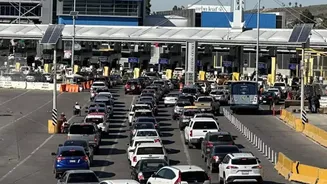
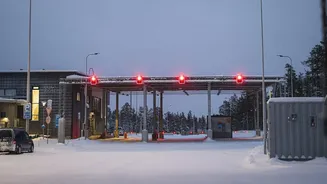
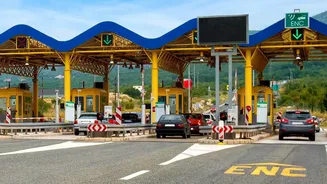
The primary benefit of these established visa-free protocols is speed and simplicity. By removing the need for a visa application process, travellers save significant time and paperwork before their trip even begins. At the border, the process becomes one of identity verification rather than a more complex visa inspection. This allows immigration officials to process travellers more quickly, reducing queue times at busy land crossings like those into Nepal and Bhutan. For Nepal, the government has also been working to digitize vehicle permits to further streamline entry for those driving their own cars. This focus on simplifying procedures directly contributes to the "faster processing times" that make overland travel more appealing.
The Bigger Picture for Regional Tourism
These travel agreements are more than just a convenience; they are a vital component of regional tourism and diplomacy. Easy overland access encourages short-notice trips, weekend getaways, and extended tours, providing a significant boost to the local economies of border towns and tourist hotspots in Nepal and Bhutan. By making cross-border travel less bureaucratic, India and its neighbours reinforce their deep cultural and economic ties. This simplified travel framework fosters goodwill and makes exploring the unique landscapes and cultures of the subcontinent an accessible adventure for millions of Indians.