








Decoding Your Loan: Fixed vs. Floating Rates
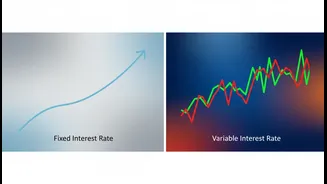
When you take out an education loan, you'll encounter two main types of interest rates: fixed and floating. A fixed interest rate remains the same for the entire duration of your loan. Your Equated Monthly Instalment (EMI) is predictable, making financial
planning simpler. In contrast, a floating interest rate, also known as a variable rate, changes according to market conditions. Most education loans from Indian public and private banks are offered on a floating rate basis. While these may start lower than fixed rates, they introduce an element of uncertainty, as your EMI can go up or down.
What Are 'Float Metrics'?
The 'float' in your loan's interest rate is tied to an external financial benchmark. For most Indian banks, this is the Repo Linked Lending Rate (RLLR), which is directly connected to the Reserve Bank of India's (RBI) repo rate. The repo rate is the rate at which the RBI lends money to commercial banks. When the RBI changes the repo rate to manage inflation or economic growth, banks adjust their lending rates accordingly. This means if the repo rate goes up, the interest on your floating rate loan will also increase after the next 'reset period', which is typically every few months. This volatility is the core risk for student borrowers.
The Real-World Cost of a Rate Hike
A small percentage change might not sound like much, but its impact on a large, long-term loan for an international degree is significant. These loans often run into tens of lakhs and have tenures of 10-15 years. For example, even a 0.5% increase on a Rs 40 lakh loan can increase your monthly EMI substantially, leading to you paying lakhs more over the loan's lifetime. This is particularly challenging as these rate hikes are unpredictable and can strain a family's budget, especially if the co-borrower, often a parent, is nearing retirement. This volatility is magnified for overseas education due to larger loan amounts and longer repayment periods.
Why International Degrees Are More Vulnerable
The stakes are higher with loans for studying abroad. The average cost of an international degree has been steadily rising, pushing loan amounts higher. This large principal amount means any interest rate fluctuation has a magnified effect. Furthermore, these loans are often subject to currency risk. If the Indian Rupee weakens against the dollar or euro, you'll need more rupees to pay the same tuition fee, potentially requiring a larger loan amount than initially planned and increasing your overall debt burden before you even factor in interest rate changes.
Strategies to Navigate the Volatility
You are not powerless against market fluctuations. The first step is making an informed choice between fixed and floating rates. A fixed rate offers stability, which is crucial for long-term budgeting. A floating rate might be cheaper initially, but you must be prepared for potential increases. Another powerful strategy is prepayment. Whenever you have surplus funds, making extra payments towards the principal can drastically reduce your total interest outgo and shorten the loan tenure. Some students also consider refinancing—replacing their existing loan with a new one at a lower rate—when market conditions are favourable. Finally, staying informed about economic news and RBI policy announcements can help you anticipate changes and plan accordingly.