




Beyond Beaches and Bintangs
For decades, Bali has been India’s go-to destination for honeymoons and holidays. Its lush paddy fields, stunning beaches, and vibrant culture offered a perfect escape. But a new narrative is emerging, one that swaps the tourist trail for a more permanent,
purpose-driven path. A growing contingent of Indian professionals—graphic designers, writers, tech consultants, and entrepreneurs—are not just visiting; they are relocating. They are drawn to a new type of community space that blends work, life, and a powerful commitment to sustainability.
What are Zero-Waste Hubs?
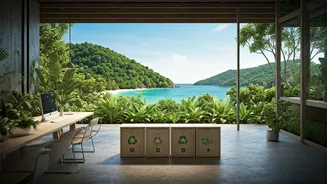
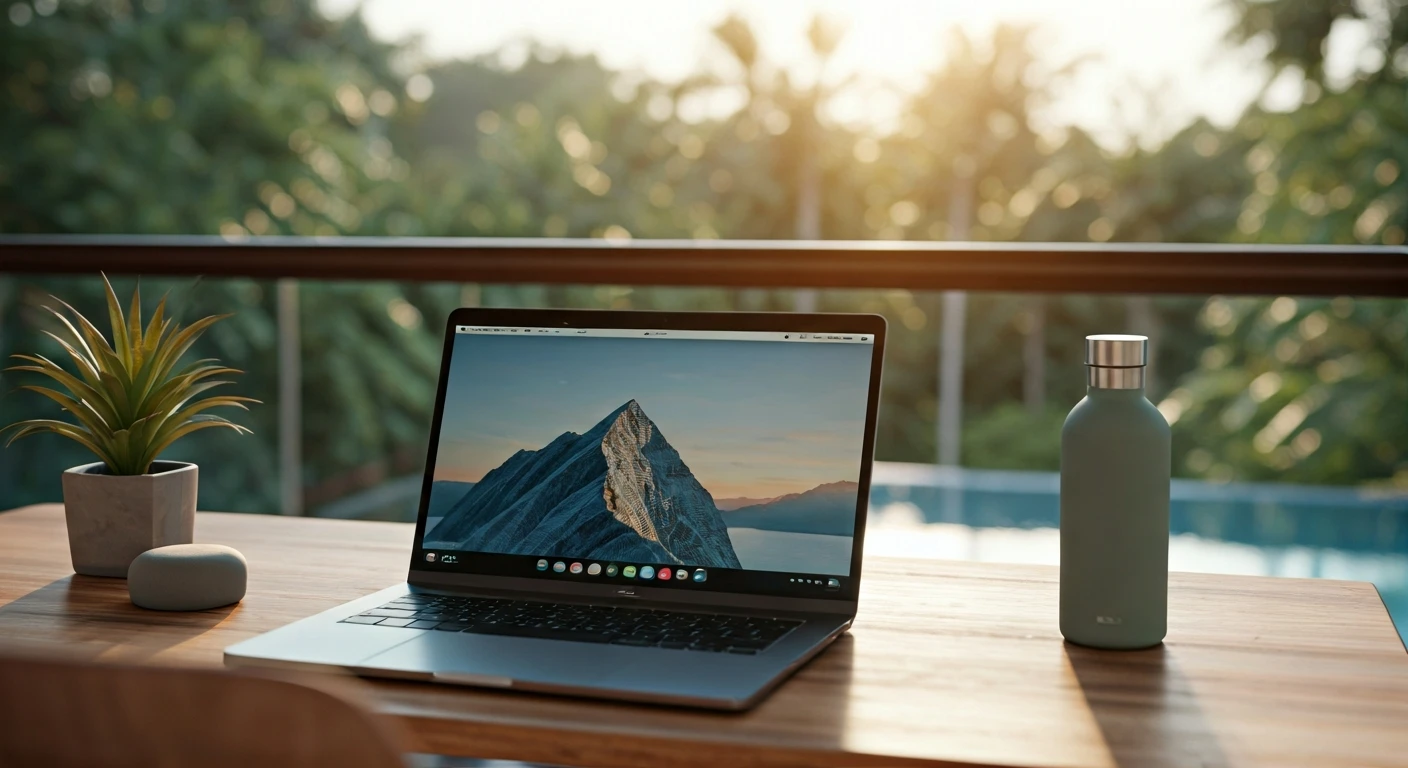
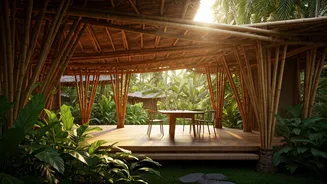
These aren't your typical glass-and-steel co-working offices. Bali’s zero-waste community hubs are ecosystems built on the principles of ecological responsibility. Think open-air structures made from locally sourced bamboo, furniture crafted from upcycled materials, and on-site permaculture gardens that supply the cafe. The 'zero-waste' philosophy is more than a buzzword here; it's a functional reality. Places like Mana Earthly Paradise in Ubud or the ethos promoted by organizations like The Plastic Exchange integrate practices like composting all organic waste, banning single-use plastics, and running workshops on sustainable living. They function as cafes, co-working spaces, and community centres, creating a holistic environment where every action is mindful of its environmental impact.
The Pull for Indian Freelancers
Why is this trend resonating so strongly with Indians? The answer lies at the intersection of professional freedom and a search for a better quality of life. The post-pandemic world has normalised remote work in India, freeing a new generation of talent from the confines of a physical office. Many are now looking beyond the metros like Bengaluru or Gurugram, seeking environments that offer less pollution, less stress, and a stronger sense of well-being. Bali offers a compelling package: a relatively low cost of living compared to Western digital nomad hotspots, a timezone that’s just a few hours ahead of India, and a deeply spiritual culture that feels both accessible and enriching. These hubs provide the missing piece of the puzzle: a professional infrastructure and a ready-made community.
A Community of Shared Values
For many Indian freelancers, the biggest draw is the community itself. Moving to a new country can be isolating, but these hubs are designed to foster connection. The shared commitment to sustainability acts as a natural filter, attracting individuals who are conscious, collaborative, and globally minded. Morning yoga sessions, skill-sharing workshops, and community dinners are common. Here, conversations flow easily from a new project to the best way to build a compost bin. It’s a network built not just on professional links but on shared values, offering a potent antidote to the loneliness that can sometimes accompany the freelance lifestyle.
The Practical Realities
Of course, the lifestyle is not without its challenges. The idyllic Instagram posts often hide the bureaucratic realities of visas and residency. While Indonesia has launched a 'digital nomad visa' to attract long-term visitors, navigating the process requires patience and paperwork. Furthermore, while the cost of living can be low, it requires careful budgeting, and income stability is a constant concern for any freelancer. The internet, though generally reliable in hubs like Ubud and Canggu, can still be less consistent than in a Tier-1 Indian city. It’s a trade-off: swapping urban convenience for a slower, more intentional way of living.