




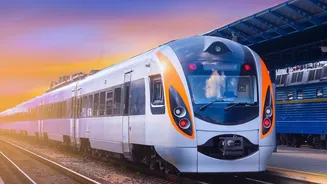
A Record in Ridership
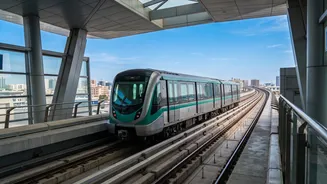
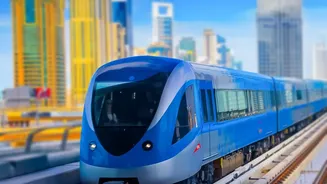
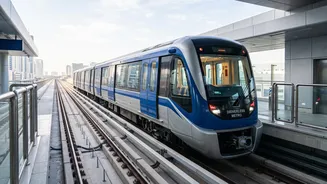
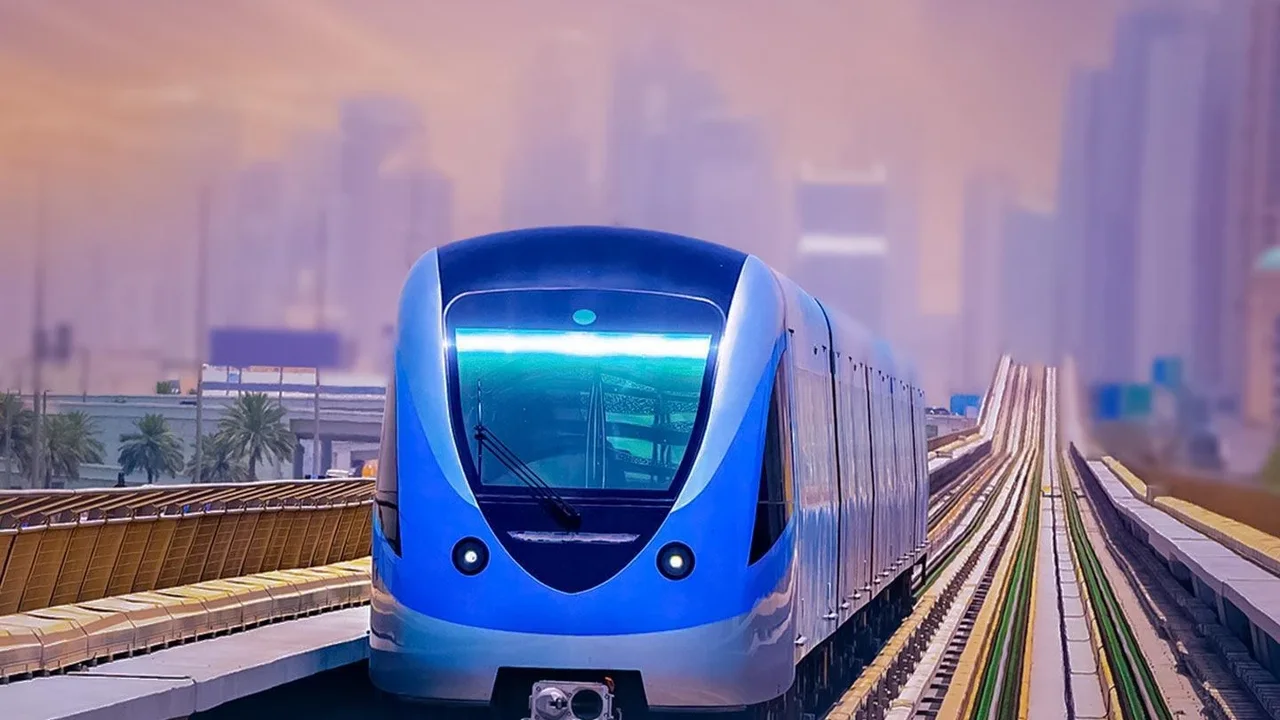
The term 'ridership record' refers to a significant milestone achieved earlier this month. On November 2, 2026, Delhi Metro's driverless trains on the Pink and Magenta lines carried 1.6 million passengers in a single day. This accounted for one in every
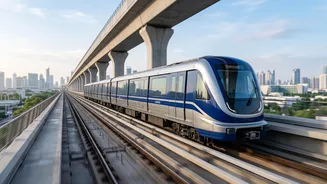
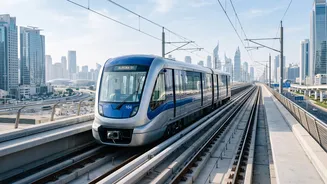
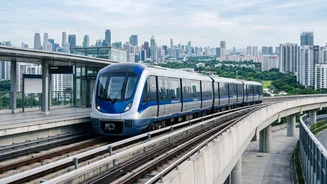
five passengers on the entire network, which sees about eight million daily journeys. This massive number, greater than the entire population of some Indian states, highlights the growing scale and public reliance on these automated services, which were first launched in December 2020. Currently, 100 driverless trains operate across 120 km of the network, representing about 29% of the total system.
The High Price of Progress
Adopting driverless technology, known as Unattended Train Operation (UTO), comes with a substantial price tag. Critics point to the high initial capital expenditure as a major drawback. This includes the cost of sophisticated rolling stock, advanced signalling and control systems like Communication-Based Train Control (CBTC), and Platform Screen Doors (PSDs) at stations to ensure safety. Furthermore, maintenance costs for these complex systems are higher than for conventional trains. While a definitive cost-benefit analysis comparing driverless and conventional systems in India is not yet available, the high upfront investment is a key point of concern for policymakers considering this technology for other cities.
Efficiency, Safety, and Frequency
Proponents of the technology, including the Delhi Metro Rail Corporation (DMRC), argue that the high cost is justified by significant operational benefits. Driverless trains can eliminate the possibility of human error, enhancing safety. They allow for greater operational flexibility and increased frequency, with the potential to run trains as close as every 90 to 100 seconds, reducing waiting times for commuters. This automation also leads to more efficient energy consumption and improves the punctuality and reliability of services. The DMRC notes that the reliability of its driverless trains has improved significantly due to exhaustive self-testing before they enter service.
The Question of Jobs
A common concern with automation is the potential for job losses. In the context of the metro, this applies to train operators. However, the DMRC has stated that no operators have been laid off since the introduction of driverless services in 2020. Instead, the approximately 3,000 operators have been redeployed to other crucial roles, such as station management and crowd control, where the human element remains vital. Critics, however, argue that in a country with lower staffing costs compared to the developed world, the economic case for replacing human drivers is less compelling than it might be elsewhere.
A Model for Other Indian Cities?
With metro systems now operational in 26 Indian cities, Delhi's experience serves as a massive case study. The DMRC's managing director has encouraged other metro projects to consider the driverless model, citing improved service availability and flexibility. However, experts caution against blindly following global trends. They argue that each city must conduct its own cost-benefit analysis based on its specific needs, passenger density, and financial capacity. The success in Delhi proves the technology works at scale in an Indian context, but whether the high cost is justifiable for smaller or newer networks remains an open question.