



The Astonishing Price Tag
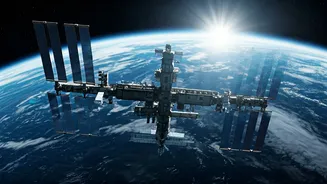
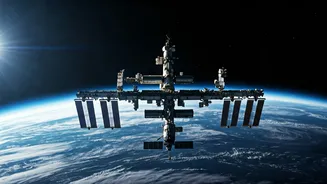
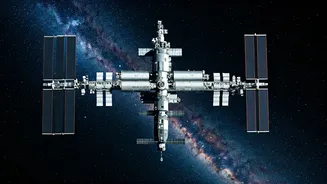
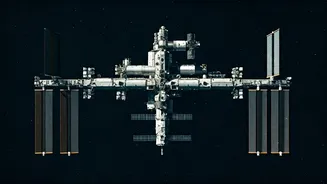
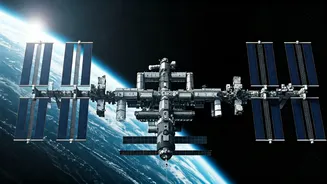
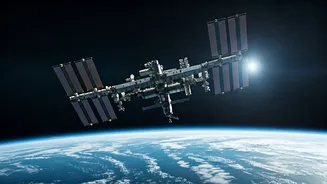
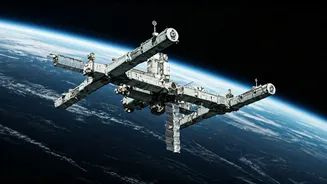
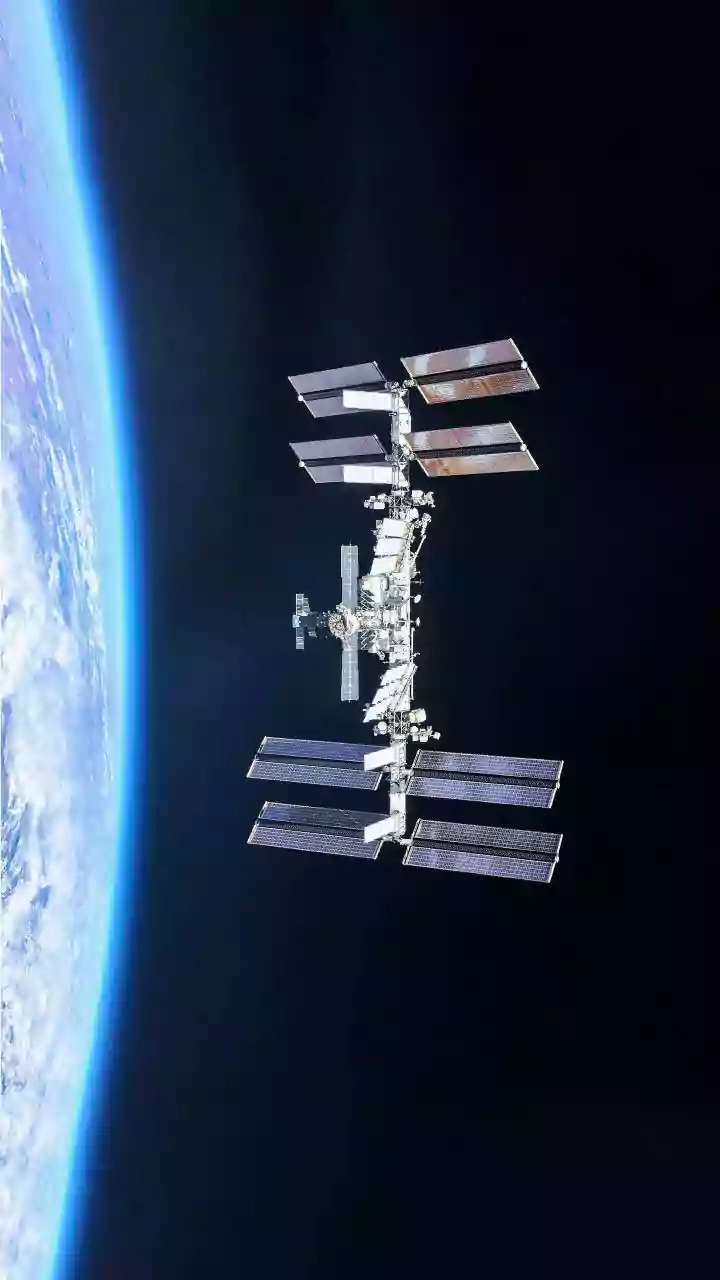
First, let's address the headline number. While exact figures are debated, the total cost of the International Space Station (ISS) is estimated to be well over $150 billion since its inception. This colossal sum includes the initial design and development,
which began in the 1980s, construction, assembly in orbit, and decades of continuous operation. The financial burden is shared by a consortium of five space agencies: NASA (USA), Roscosmos (Russia), JAXA (Japan), ESA (Europe), and CSA (Canada). However, the United States has shouldered the majority of the expense. To put that in perspective, NASA's annual operating cost for the ISS alone is roughly $3 billion, which represents a significant portion of its human spaceflight budget.
Building in the Void
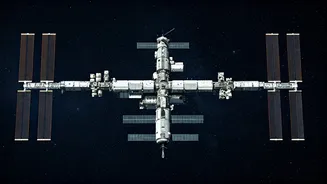
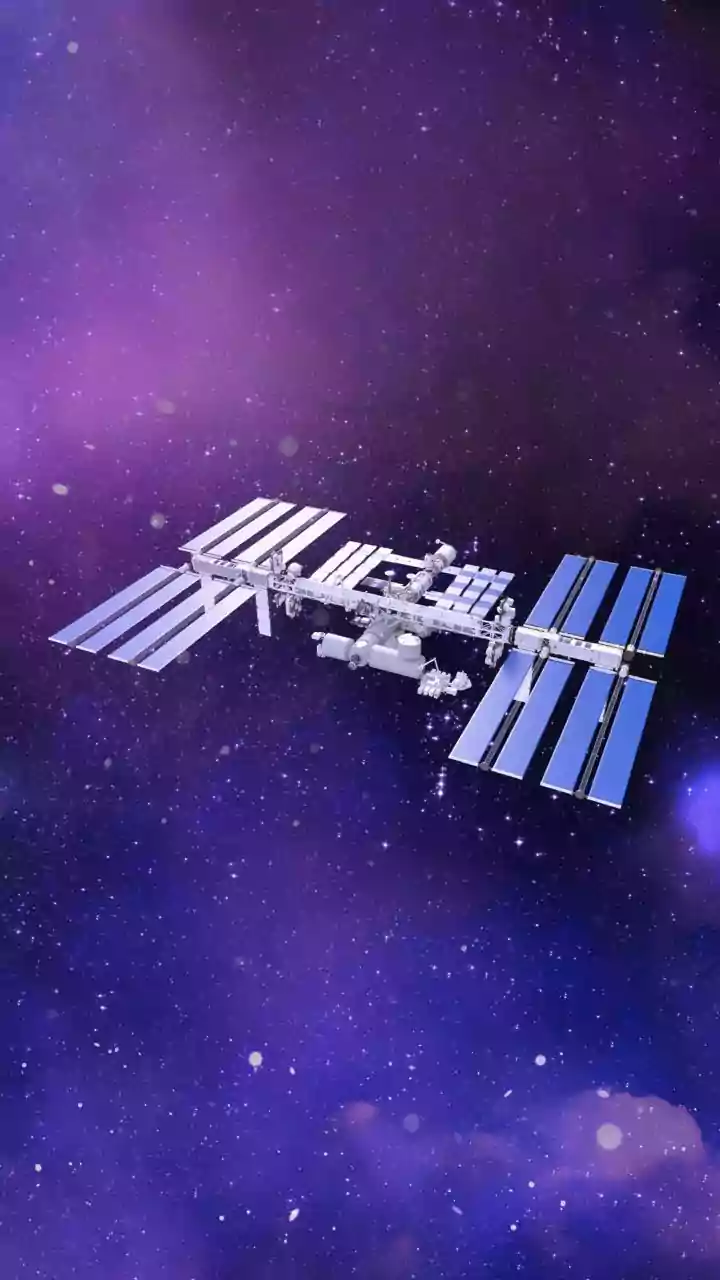
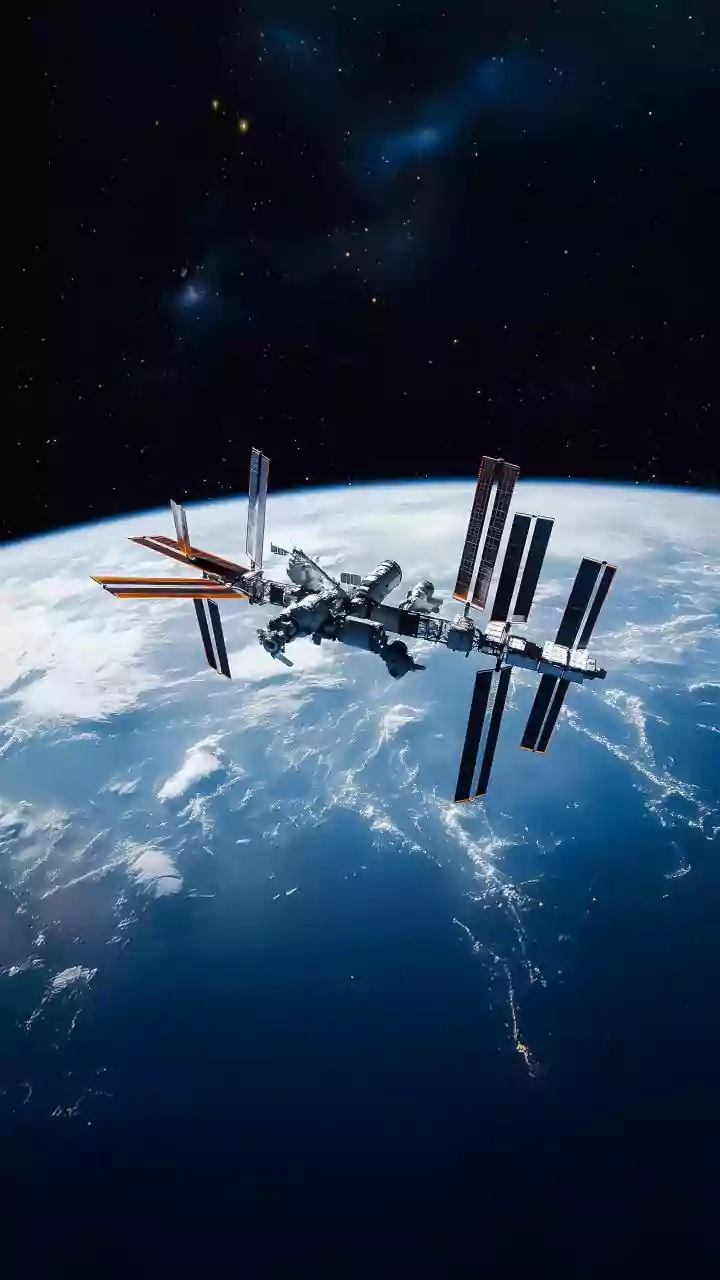
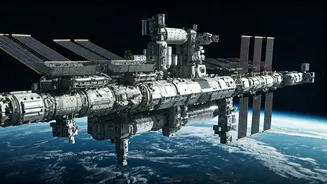
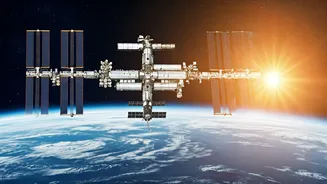
One of the primary cost drivers is the immense challenge of construction. The ISS wasn't launched in one piece; it was assembled module by module, 250 miles above the Earth's surface. This process required dozens of launches, primarily using the Space Shuttle and Russian Proton rockets, over more than a decade. Each launch is an incredibly expensive and high-risk undertaking. You can't simply send a construction crew with a flatbed truck. Every component, from massive laboratory modules and solar arrays the size of a football field to the smallest screw, had to be rocketed into orbit and then painstakingly assembled by astronauts performing complex spacewalks. The logistics of this orbital ballet are mind-bogglingly complex and expensive.
The Ultimate Life Support Bill
Keeping humans alive in the vacuum of space is a costly, non-negotiable expense. The ISS is a self-contained habitat that must provide everything its crew needs to survive and work. This includes breathable air, clean water, food, and protection from extreme temperatures and cosmic radiation. Nothing is simple in space; life support systems are incredibly sophisticated, requiring constant monitoring, maintenance, and redundancy. Resupply missions are flown regularly by commercial partners like SpaceX and Northrop Grumman to deliver essentials, scientific experiments, and spare parts. Every pound of cargo launched into orbit has a high price tag attached, making every meal, every oxygen tank, and every piece of equipment a significant expenditure.
A High-Maintenance Home
Like any complex structure, the ISS requires constant upkeep. Having been continuously inhabited since 2000, the station is aging. Components wear out, systems need upgrading, and unexpected problems arise, such as the air leaks that have been detected and repaired in the station's Russian segment. On Earth, repairs can be a simple matter of calling a technician. In orbit, a repair mission can be a multi-million dollar operation involving years of planning. The ongoing costs for systems maintenance, upgrades, and sustaining engineering contracts, such as the multi-billion dollar agreement with Boeing, are a massive part of the station's annual budget.
The Price of Global Cooperation
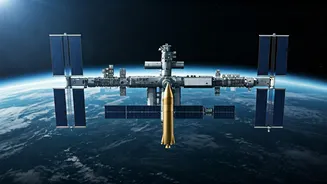
While the ISS is celebrated as a monumental achievement in international diplomacy, managing a project across 15 nations and five space agencies adds layers of complexity and cost. Different partners have different engineering philosophies, operational procedures, and funding cycles. Coordinating these disparate elements requires a vast support network of mission control centers, engineers, and administrative staff around the globe. While this collaboration has immense political and scientific value, fostering peaceful cooperation and shared discovery, it also introduces overhead that a single-nation project would not have. Even the station's eventual decommissioning is a costly international undertaking, with NASA recently awarding a contract for nearly $1 billion just to develop a vehicle to safely deorbit the station at the end of its life.