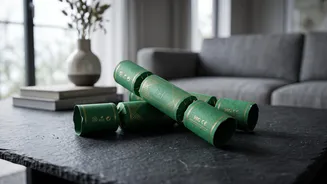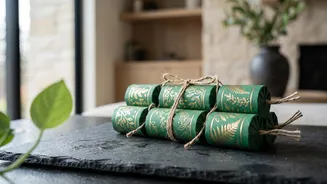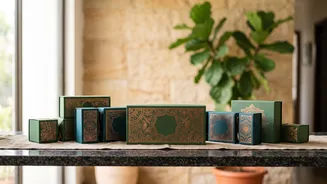









What Exactly Are 'Green Crackers'?
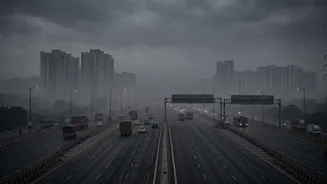
Following a Supreme Court order in 2018 to curb the hazardous air pollution from festive celebrations, conventional firecrackers were banned. In response, scientists at the Council of Scientific and Industrial Research-National Environmental Engineering
Research Institute (CSIR-NEERI) developed 'green crackers'. These are not pollution-free, but they are significantly less harmful. By changing the chemical composition—reducing or eliminating highly polluting agents like barium nitrate, sulphur, and potassium nitrate—green crackers are designed to reduce particulate matter emissions by at least 30%. They also produce sound within a permissible limit, generally under 125 decibels.
How to Identify the Real Deal
The most crucial step for any shopper is verification, as markets are often flooded with counterfeit products. To be sure you are buying genuine green crackers, look for two key identifiers on the packaging. First, a distinct CSIR-NEERI green logo must be printed on the box. Second, and just as important, is a scannable QR code. When you scan this code with your smartphone, it should lead to a page that verifies the manufacturer's details, license information, and the product's certification. Any box missing these two features is not a certified green cracker, even if the words 'green cracker' are written on it.
Warning Signs of a Counterfeit
Beyond the official logo and QR code, there are other red flags to watch out for. Be wary of loose crackers sold without packaging or in plain, unbranded bags. Some sellers may simply paste a 'green' sticker over an old box of conventional crackers. If a QR code is present but doesn't scan, leads to a broken link, or shows mismatched information, consider it a fake. Another warning sign is an unusually low price. The research and specific formulations for green crackers can make them slightly more expensive than their traditional, illegal counterparts, so a deal that seems too good to be true probably is.
Are They Truly 'Green' and Safe?
The 'green' label signifies 'improved' or 'less polluting', not 'environmentally harmless'. Experts clarify that while these crackers reduce emissions by about 30-40% compared to traditional ones, they still release pollutants into the atmosphere. The primary benefit is the absence of the most toxic heavy metals and a significant reduction in particulate matter, which contributes to smog and respiratory illnesses. Therefore, even with green crackers, moderation is key. All standard safety precautions still apply: burst them in open spaces away from flammable materials, keep water handy, and never let children handle them unsupervised.
Where to Buy and When to Burst
To ensure you get authentic products, always purchase crackers from licensed sellers. Avoid roadside stalls that cannot guarantee the authenticity of their products. Rules around when you can burst crackers are also strict. The Supreme Court has generally permitted a two-hour window on Diwali night, typically from 8 PM to 10 PM. However, these timings can vary by state, with some regions imposing stricter controls or complete bans depending on local air quality levels. Always check the specific guidelines issued by your local authorities for the 2026 festive season to avoid penalties.