



The Familiar Rhythm of Indulgence
For generations, the Indian calendar has been marked by periods of abundance. Festivals, weddings, and family gatherings are synonymous with rich, elaborate meals. Days of unrestrained eating are often followed by a period of austerity—be it a self-imposed
'detox' of bland foods or a complete fast. This pattern of feasting and then restricting has been a deeply ingrained part of the culture. Nutritionists have noted that this all-or-nothing approach can lead to frustration, as crash diets are rarely sustainable. Studies show that weight lost through extreme restriction often returns, as these methods can slow metabolism and are difficult to maintain long-term.
What’s Driving the Shift?
Several factors are contributing to a new mindset around food. Growing urbanization, rising disposable incomes, and greater exposure to global trends have played a significant role. However, the most powerful driver is a rising tide of health consciousness. As awareness about lifestyle diseases like diabetes and obesity increases, many Indians are proactively seeking a healthier way of life. This isn't about short-term fixes anymore; it's a generational move towards preventive health and long-term wellness. The internet and social media have also democratized information, giving people direct access to nutritional advice and wellness trends.
The New Philosophy: Mindful Moderation
Instead of extreme swings, the new approach is about balance and consistency. The concept of 'mindful eating' is gaining traction, encouraging people to pay attention to what and how they eat, without distractions. This means savouring meals, recognizing true hunger signals, and stopping when satisfied, not stuffed. Nutritionists are advocating for sustainable changes rather than punishing restrictions. The mantra is shifting from 'calorie cutting' to 'calorie restriction without malnutrition', focusing on nutrient-dense foods that nourish the body. It’s a move away from guilt and towards a more positive and empowering relationship with food.
Redefining the Indian Plate
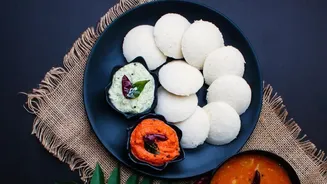
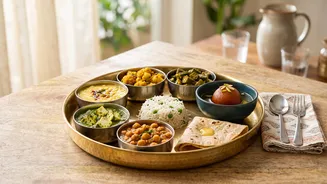
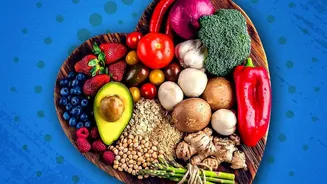
This new food philosophy doesn't mean abandoning traditional cuisine. Instead, it’s about making smarter choices within the Indian kitchen. There is a renewed appreciation for ancient grains like millets (ragi, jowar, bajra), which are being incorporated into everything from rotis to breakfast cereals. People are focusing on filling half their plate with vegetables, including adequate protein from sources like dal and paneer, and being mindful of oil and sugar consumption. Rather than eliminating staples like rice and roti entirely, the focus is on portion control and pairing them with high-fibre and high-protein accompaniments.
A Market That Listens
The food industry has been quick to respond to this evolving consumer mindset. The market for healthy foods in India is expanding rapidly, with projections indicating significant growth in the coming years. Supermarket shelves and e-commerce platforms are now filled with 'better-for-you' options. This includes everything from protein-enriched snacks and baked goods to organic produce and functional beverages that promise benefits like improved gut health or hydration. Consumers are also becoming more discerning, with a growing number reading labels carefully and demanding transparency about ingredients.