
Meghalaya: The Abode of Clouds
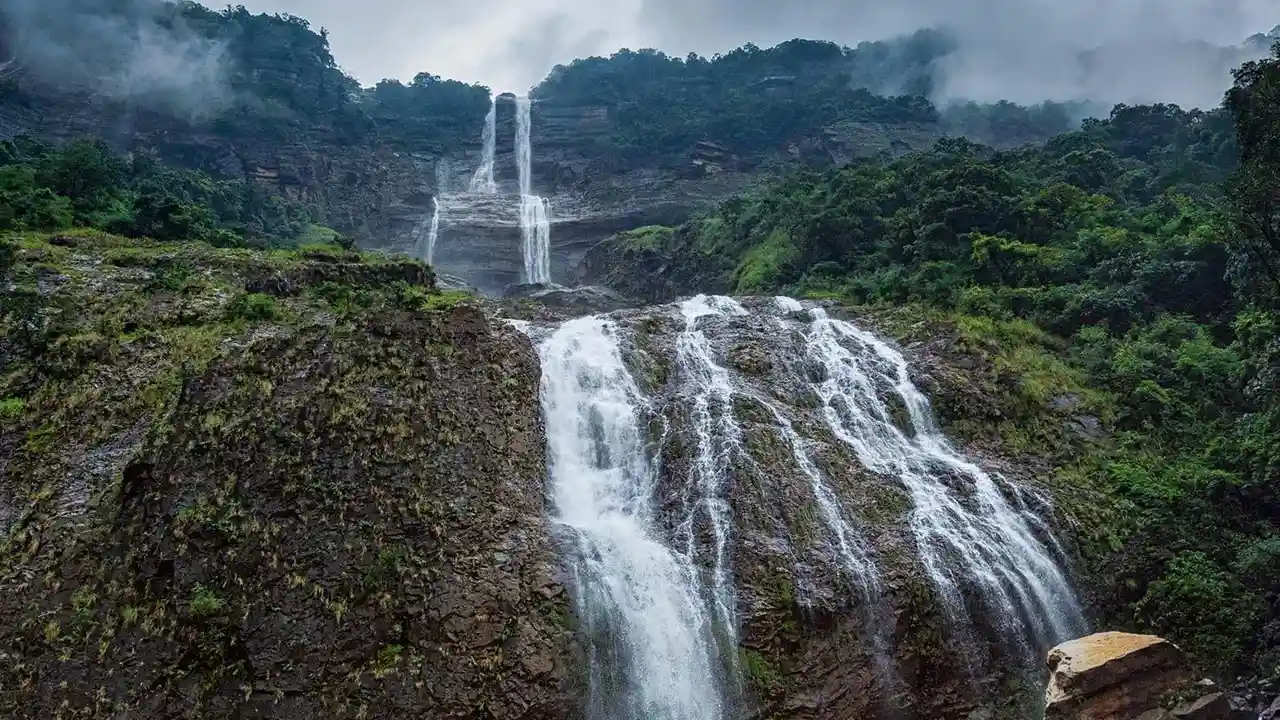
There is no place that embodies the monsoon quite like Meghalaya. Home to some of the wettest places on Earth, such as Cherrapunji and Mawsynram, this state offers photographers scenes of unimaginable drama. Waterfalls like Nohkalikai and Seven Sisters,
which are modest trickles in other seasons, become roaring cascades of immense power. The valleys are perpetually filled with mist, with clouds literally rolling across the roads at eye level. This creates a soft, diffused light that is perfect for capturing moody landscapes. A key subject here are the living root bridges, a marvel of bio-engineering by the Khasi and Jaintia peoples, which look especially cinematic with swollen streams flowing beneath them.
The Western Ghats: A Verdant Tapestry
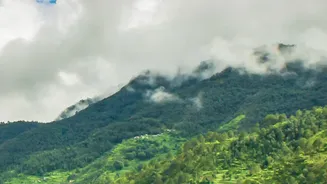
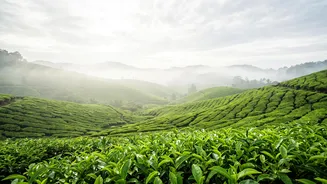
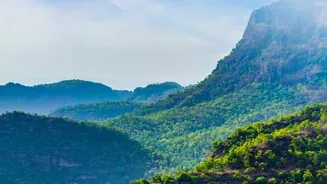
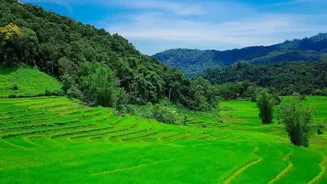
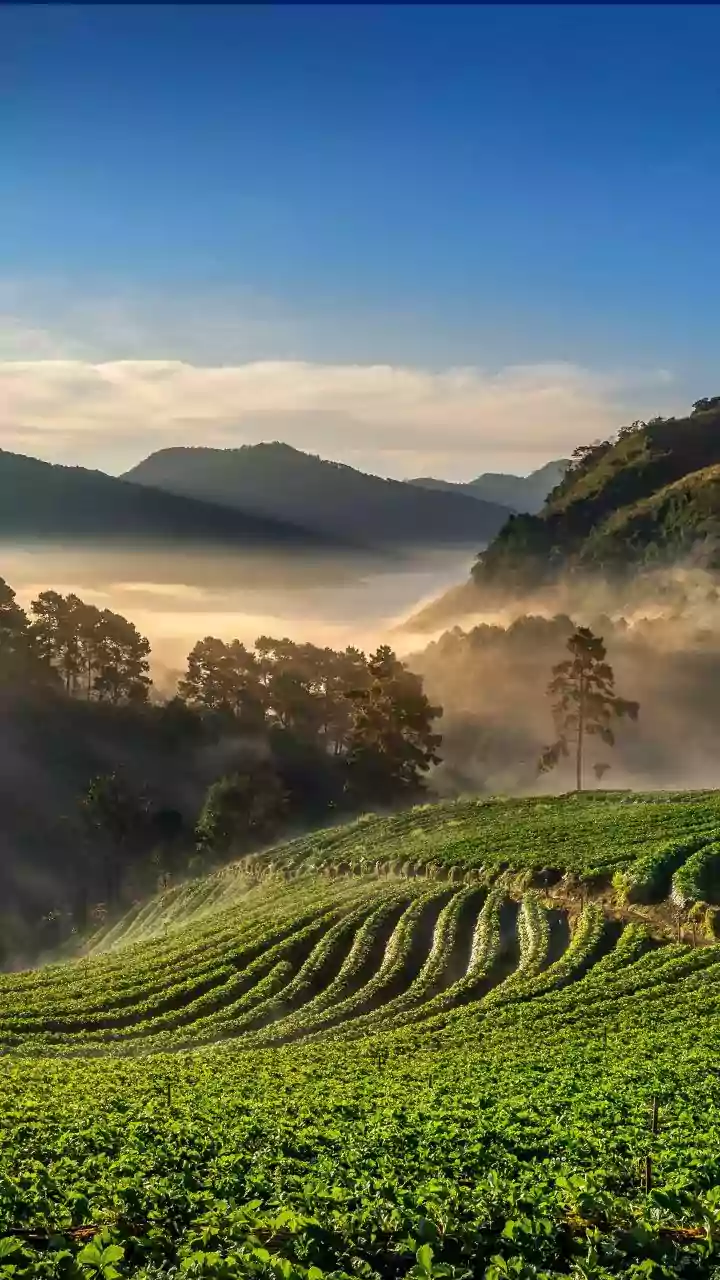
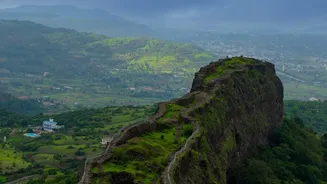
Stretching along India's west coast, the Western Ghats become a saturated green paradise during the rains. Hill stations like Munnar in Kerala and Coorg in Karnataka are prime locations. In Munnar, the tea plantations turn a deep, vibrant shade of green, with mist weaving through the rolling hills, creating layered, atmospheric shots. Coorg, known for its coffee plantations and spice gardens, offers lush forests and powerful waterfalls like Abbey Falls. Further north in Maharashtra, destinations like Mahabaleshwar and Lonavala provide stunning valley views and countless waterfalls that appear along the ghats. The consistent cloud cover provides a natural softbox, making it easier to shoot throughout the day without harsh shadows.
Goa: Beyond the Sunny Beaches
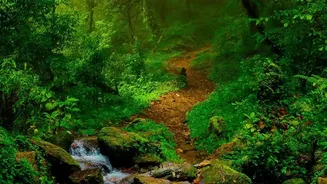
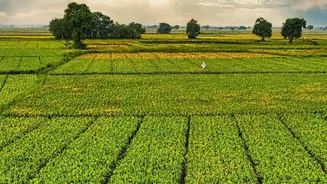
While famous for its sun-drenched beaches, Goa reveals a different, quieter character in the monsoon. The tourist crowds thin out, and the landscape is reborn. The paddy fields turn a brilliant green, the forests become denser, and the waterfalls in the interior, such as those in the Mollem National Park, are at their peak. This season is ideal for capturing the tranquil side of Goa—rain-soaked roads, misty forests, and the dramatic confluence of overflowing rivers meeting the turbulent sea. It’s an opportunity to photograph the state’s rich biodiversity and rustic villages without the usual hustle, telling a more intimate story of the land.
Protecting Your Precious Gear
Monsoon photography is as much about protecting your equipment as it is about taking beautiful pictures. Water is the enemy of electronics. A dedicated rain cover for your camera and lens is a non-negotiable investment. In a pinch, a simple plastic bag and rubber bands can work as a makeshift shield. Always use a lens hood; it helps keep raindrops off the front element of your lens. Carry several microfibre cloths to wipe away moisture and condensation. When you are done shooting for the day, place silica gel packs in your camera bag to absorb any lingering moisture and prevent fungus from growing on your lenses.
Mastering Monsoon Light and Composition
The quality of light during the monsoon is unique. Overcast skies create soft, diffused light, which is excellent for portraits and landscapes as it eliminates harsh shadows. Look for moments when the sun breaks through the clouds, creating dramatic 'god rays'. For waterfalls, a sturdy tripod is essential. Using a slow shutter speed (1/15s to 1/60s) will transform the flowing water into a smooth, silky curtain, while a fast shutter speed (1/250s or quicker) will freeze the droplets for a powerful, dynamic effect. Also, pay attention to reflections. Wet roads, puddles, and lakes can create stunning symmetrical compositions.
Focusing on the Finer Details
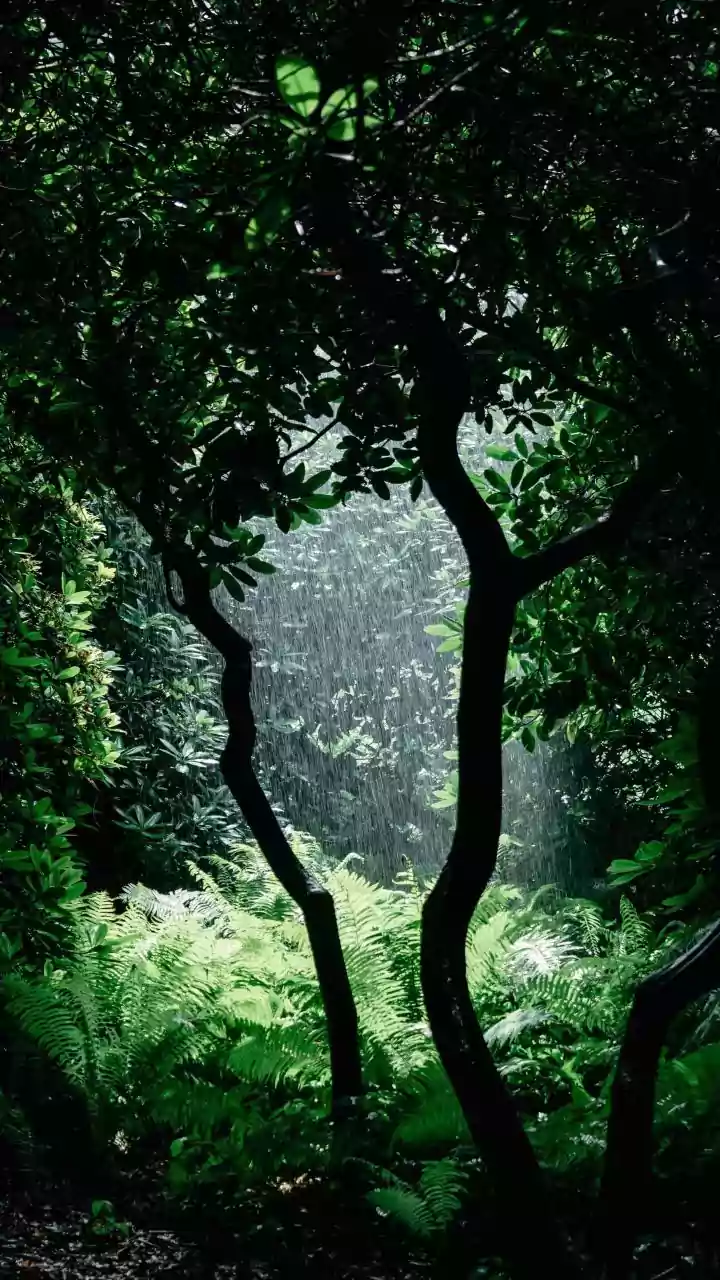
While grand landscapes are a major draw, the monsoon offers incredible opportunities for macro photography. The world slows down, revealing tiny details. Look for raindrops clinging to a spider's web, the vibrant colours of a snail on wet bark, or the intricate patterns of water on a leaf. These close-up shots add texture and depth to your photographic story of the season. They capture the quiet, intimate moments of the monsoon, providing a beautiful contrast to the sweeping vistas of misty mountains and roaring waterfalls. Focusing on these small wonders can often produce the most evocative images of this rejuvenating season.