



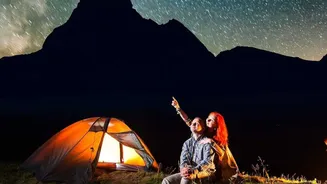
The Rise of Astro-Tourism
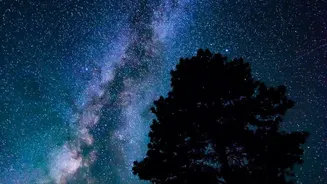
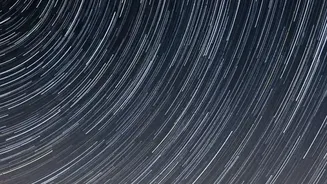
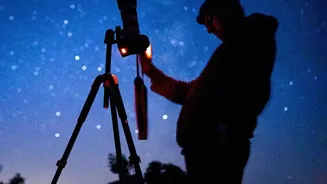
Astro-tourism is a growing travel trend focused on experiencing the night sky in its purest form, far from the light-polluted haze of urban centers. It combines the thrill of exploration with the awe of observing celestial phenomena. This unique form of travel isn't
just about looking through a telescope; it's a blend of science, nature, and mindfulness. In India, where a vast majority of the population has never seen a truly dark sky, this trend is finding a natural home in the high Himalayas. It caters to a desire for more meaningful travel, offering a chance to disconnect from digital life and reconnect with the universe.
Why Himachal is a Stargazer's Paradise
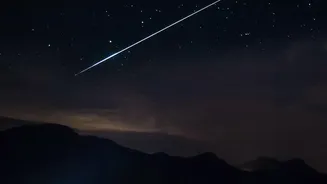
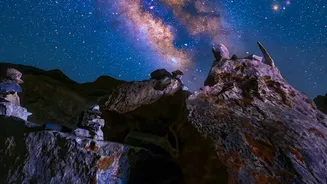
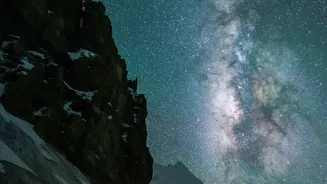
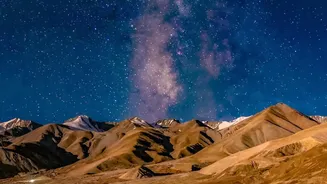
Himachal Pradesh is uniquely suited for stargazing, thanks to a combination of natural factors. Its high altitudes mean a thinner, less turbulent atmosphere, resulting in clearer and more stable views of the cosmos. The remote, sparsely populated valleys, especially in regions like Spiti, Lahaul, and Kinnaur, suffer from minimal light pollution, creating some of the darkest skies accessible in Asia. The dry, cold desert climate of areas like Spiti Valley ensures over 250 clear nights a year, making it a reliable destination for spotting the Milky Way, meteor showers, and constellations with the naked eye.
Key Hubs and Celestial Hotspots
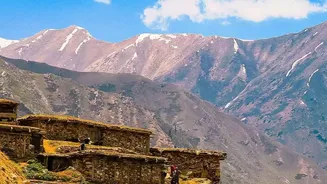
Several locations in Himachal are emerging as prime destinations for astro-tourists. The Spiti Valley is considered the crown jewel, with villages like Kaza, Kibber, Langza, and Tabo offering breathtaking celestial views. Kaza, Spiti's main town, now features initiatives aimed at developing astro-tourism, including the distribution of high-end telescopes to local entrepreneurs to conduct guided tours. In March 2026, the Spiti Dome Observatory was launched in Kaza, becoming the region's first high-altitude public dome observatory designed specifically for tourists. Other accessible spots like Jibhi in Tirthan Valley and Narkanda near Shimla also offer fantastic stargazing opportunities without the extreme conditions of Spiti.
A Mindful, Cosmic Connection
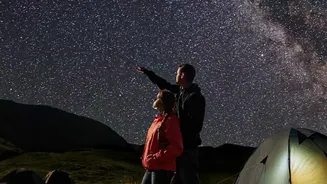
The experience offered by these hubs goes beyond simple observation. It is inherently mindful. The profound silence of the high-altitude desert, combined with the sheer scale of the star-filled heavens, encourages a state of quiet contemplation. Many stargazing tours now incorporate storytelling, sharing ancient myths and cultural interpretations of the constellations. This blend of science and folklore creates a richer, more immersive experience. It's an opportunity to lie back and witness a spectacle that has captivated humans for millennia, fostering a deep sense of connection and perspective that is often lost in the noise of daily life.
Planning Your Celestial Escape
If you're planning a trip, timing is crucial. The best months for stargazing in Himachal are generally from late spring to autumn (April to October), avoiding the monsoon season. September, after the rains have washed the atmosphere clean, is often considered ideal for crystal-clear skies. For the best views, plan your visit around the new moon, when the sky is at its darkest. High-altitude locations like Spiti require gradual acclimatization to avoid altitude sickness. Always pack multiple layers of warm clothing, as even summer nights in the Himalayas can be extremely cold. Many local homestays and new ventures now offer guided sessions, providing telescopes and expertise to help you navigate the cosmos.