







Why Raw Oats Can Be Tough on the Gut
While incredibly nutritious, raw, unprepared oats contain compounds designed to protect the grain until it's ready to sprout. These include high levels of phytic acid and resistant starch. For some individuals, particularly those with sensitive digestive
systems, these components can be difficult to process, leading to bloating, gas, and a feeling of heaviness. The grain's tough outer layer and dense starches require significant digestive work to break down when consumed completely raw without any soaking or cooking.
The Science of Soaking: Taming Phytic Acid
One of the primary benefits of soaking oats is the reduction of phytic acid. Phytic acid is often called an 'anti-nutrient' because it can bind to essential minerals like iron, zinc, and magnesium in the gut, preventing your body from absorbing them effectively. The process of soaking oats in liquid, especially for 12 hours or more, activates an enzyme called phytase. This enzyme works to break down the phytic acid, effectively 'unlocking' the minerals in the oats and making them more bioavailable for your body to use. Adding a splash of something acidic, like lemon juice or yogurt, can further enhance this process.
Breaking Down Starches for Smoother Digestion
Beyond phytic acid, soaking also helps to break down the complex starches in oats. Raw oats are rich in resistant starch, a type of fibre that resists digestion in the small intestine and ferments in the large intestine. While this can be a good thing, feeding beneficial gut bacteria, for some people it can be a source of gas and bloating. The long, cool soak in liquid begins to break these starches down before they even enter your system, essentially pre-digesting the oats. This makes them much easier for your body to handle, resulting in less digestive strain and a more comfortable experience.
Overnight Oats vs. Cooked Oatmeal
Cooking oats also reduces phytic acid and breaks down starches, making them easy to digest. However, the process is different. Cooking uses heat to rapidly gelatinize the starches, which creates that familiar creamy, soft texture of porridge. Soaking, on the other hand, is a slower, heat-free process. This gentle method preserves more of the beneficial resistant starch compared to hot cooking, which may offer greater benefits for blood sugar stability and feeding the gut microbiome. Ultimately, both are excellent choices, but the cold-soaking method of overnight oats provides a unique combination of easy digestibility while retaining a higher amount of that valuable resistant starch.
How to Make the Perfect Gut-Friendly Bowl
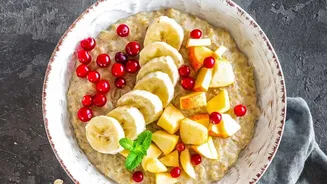
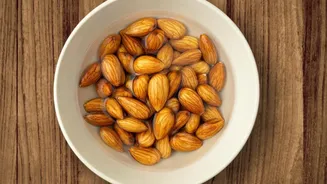
Creating your own gently digestible overnight oats is simple. The basic ratio is typically one part rolled oats to one or two parts liquid, depending on your desired consistency. Combine rolled oats with your choice of milk, a dairy-free alternative, or water in a jar or container. For an extra digestive boost, add a spoonful of yogurt or a squeeze of lemon juice to help break down the phytic acid. Stir well, seal the container, and let it rest in the refrigerator for at least eight hours, or overnight. In the morning, the oats will be soft, creamy, and ready to eat. You can then stir in your favourite toppings like fresh fruit, nuts, seeds, or a drizzle of honey for a complete and satisfying breakfast.