
The Ultimate Time-Saver
For any student, time is the most precious commodity. Between lectures, assignments, and a semblance of a social life, spending hours in the kitchen is simply not feasible. One-pot cooking is the answer. The entire process is streamlined: preparation
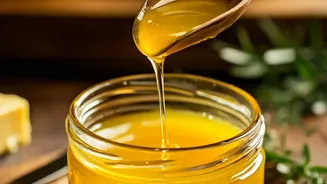
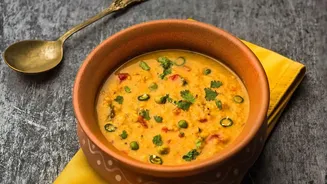
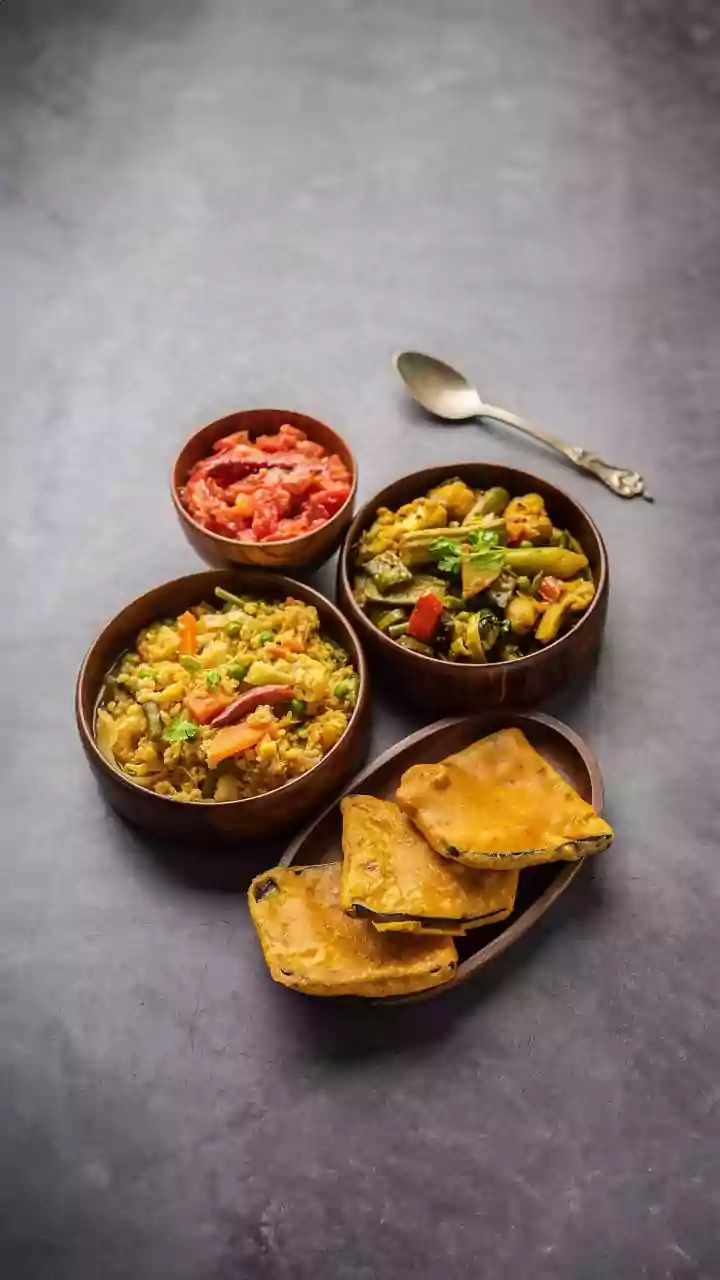
involves chopping a few ingredients, and cooking happens in a single vessel. This means less time monitoring multiple burners and more time for everything else. A dish like vegetable khichdi, for instance, can be prepared in a small pressure cooker or even a pot on an induction cooktop. You simply layer the ingredients—ghee or oil, spices, vegetables, rinsed rice and dal—add water, and let it cook. This 'dump and cook' method cuts active cooking time significantly, freeing you up to finish a chapter or catch up with a roommate.
Conquering the Cleanup
Perhaps the biggest dread of hostel cooking isn't the cooking itself, but the cleanup that follows. In a shared and often crowded kitchen, a mountain of dirty dishes is the last thing anyone wants to face. One-pot meals are a game-changer in this regard. With only one cooking vessel, a chopping board, and a knife to wash, you slash your cleaning time to a mere fraction of what a more elaborate meal would require. This minimal mess approach is particularly beneficial in a hostel environment where you have limited space and may be sharing a sink. The simplicity of cleaning just one pot means you're more likely to cook for yourself regularly, rather than resorting to expensive and often unhealthy takeaway options. It makes the entire process of making a home-cooked meal feel less like a chore and more like a simple act of self-care.
A Wholesome, Nutritious Choice
It's easy to fall into a trap of instant noodles and biscuits in a hostel. While convenient, these options lack vital nutrients. One-pot meals provide a simple path to a healthier diet. Khichdi is a prime example of a balanced meal. The combination of rice (carbohydrates) and lentils (protein) forms a complete protein, providing all essential amino acids. This is particularly important for vegetarian diets. By throwing in vegetables like carrots, peas, and spinach, you add essential fibre, vitamins, and minerals. Cooking everything together in one pot helps retain more nutrients that might otherwise be lost when, for example, boiling vegetables separately and discarding the water. It’s a significant upgrade from processed snacks, offering sustained energy for long study sessions.
Beyond Khichdi: Endless Possibilities
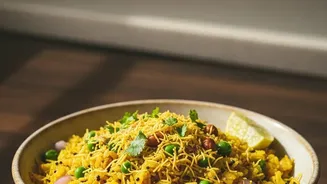
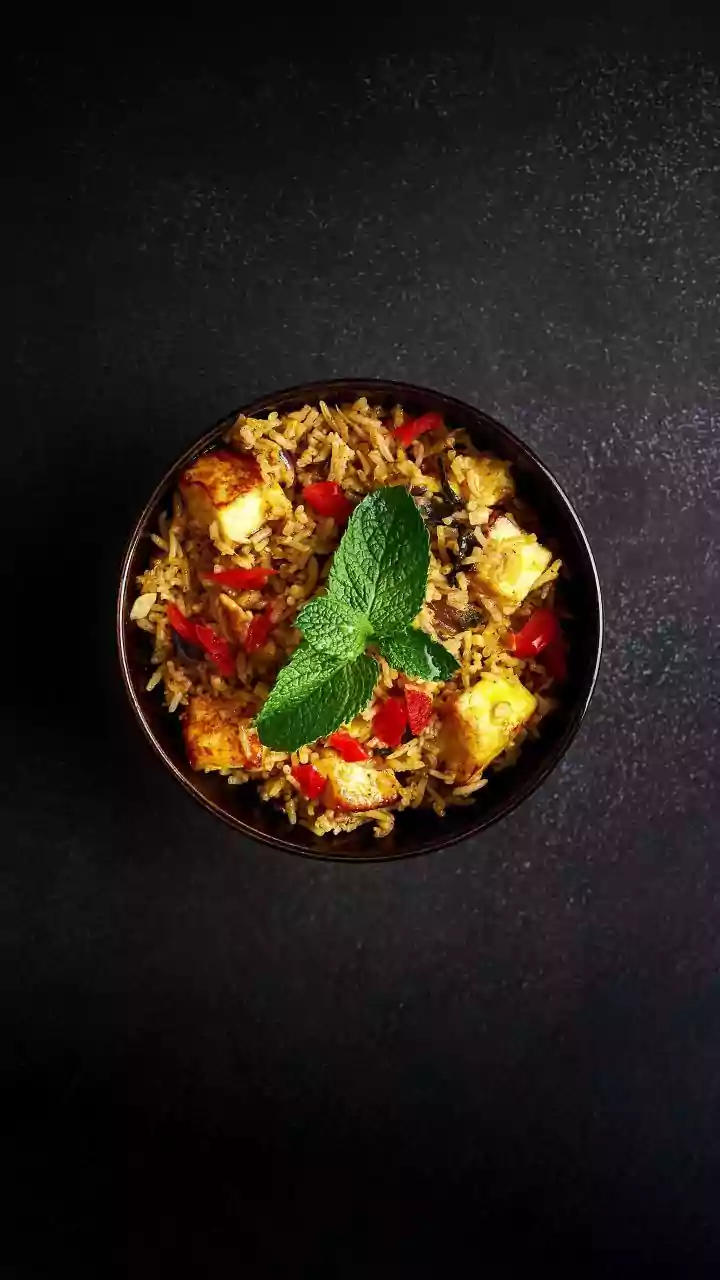
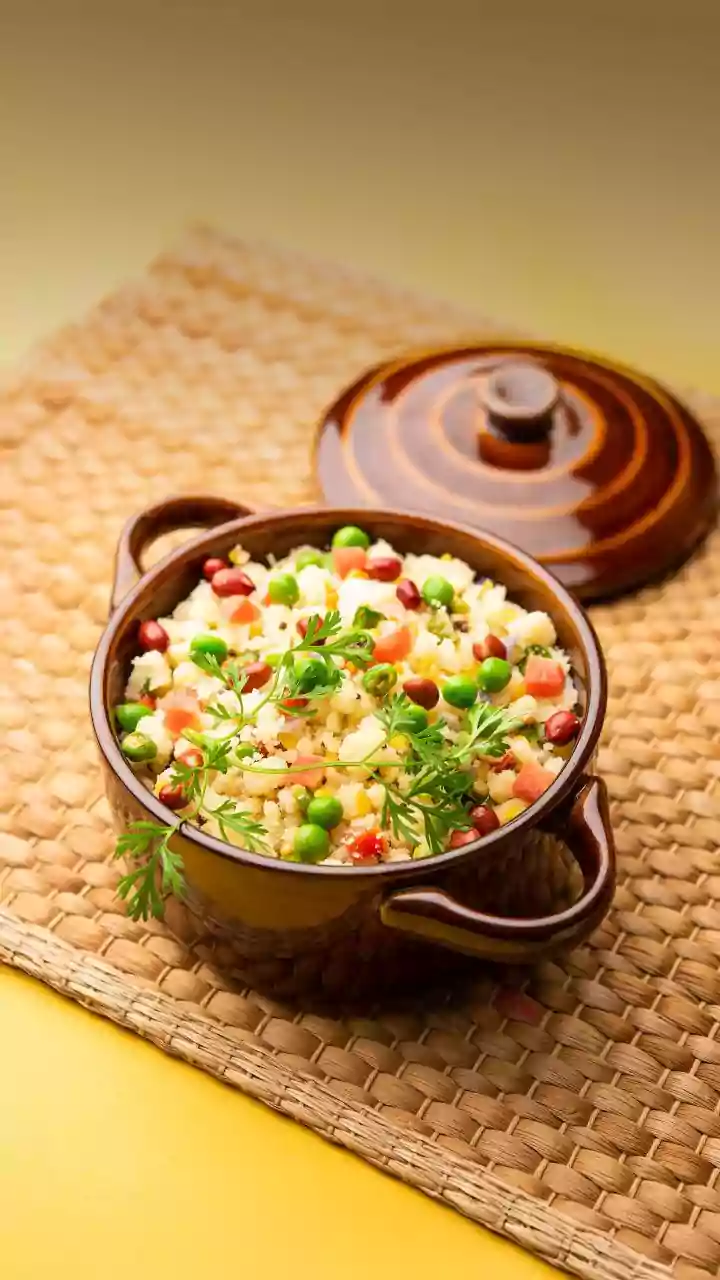
While vegetable khichdi is the star of one-pot hostel cooking, the principle can be applied to a wide array of dishes. A simple vegetable pulao follows the same logic: sauté whole spices and onions, add vegetables and rice, and cook until done. Many South Indian variety rice dishes, like lemon rice or tomato rice, can be adapted into a one-pot format. You can also make a quick upma or even a simple pasta by cooking the pasta in just enough sauce and water, adding vegetables towards the end. The key is to use ingredients that cook in a similar amount of time. Even a quick dal fry can be a one-pot affair if you have a pressure cooker. These variations ensure you don't get bored and can enjoy a diverse range of flavours without complicating your routine.
The Comfort of a Home-Cooked Meal
Living away from home for the first time can be challenging, and the comfort of familiar food cannot be overstated. A warm bowl of khichdi does more than just fill your stomach; it provides emotional comfort and a sense of well-being. It’s a dish associated with home and care, often being the go-to meal when one is feeling under the weather. For a student navigating the pressures of college life, having the ability to create a simple, nourishing meal that tastes like home can be incredibly grounding. It’s a small but powerful way to feel connected and cared for, fostering independence and an essential life skill that will serve you long after your hostel days are over.