





The 'vegan' label is showing up more on menus and grocery shelves across India. But this simple green symbol is just the start of a much bigger conversation about how and why we choose our food, moving beyond a simple yes or no to animal products.
What 'Vegan' Actually Means in India
For
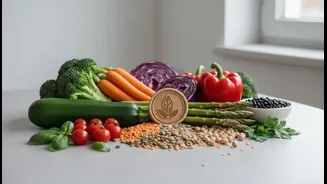
many Indians, a vegetarian diet is a familiar concept, often rooted in cultural and religious practices that avoid meat, fish, and eggs but include dairy. Veganism, however, takes it a step further by excluding all animal-derived products entirely. This means no milk, butter, ghee, paneer, or honey. In a country where dairy is a culinary staple, this is a significant distinction. To bring clarity, the Food Safety and Standards Authority of India (FSSAI) introduced regulations for vegan foods, complete with a specific logo—a green 'V' with a plant inside—to help consumers easily identify products that are completely free of animal ingredients. This official certification aims to build consumer trust and make shopping simpler for those looking for truly vegan options.
The Health Halo: Is Vegan Always Healthier?
Many people are drawn to veganism for its perceived health benefits, and a diet rich in whole plant foods like fruits, vegetables, and legumes is certainly linked to positive health outcomes. However, the 'vegan' label itself is not an automatic guarantee of health. The market is now filled with ultra-processed vegan options, from packaged snacks to meat alternatives, which can be high in salt, sugar, and unhealthy fats—much like their non-vegan counterparts. The real conversation about health moves beyond the vegan label to the difference between a diet of processed convenience foods and one based on whole, unprocessed plant foods. A diet of dal, sabzi, and roti is plant-based and healthy, while a diet of vegan junk food may not be.
The Environmental and Ethical Questions
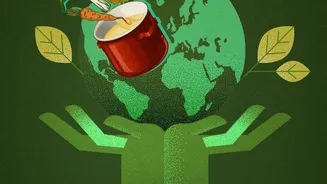
Beyond personal health, food choices are increasingly driven by concerns for the planet and animal welfare. Plant-based diets generally have a smaller environmental footprint, requiring less land and water and producing fewer greenhouse gas emissions compared to animal agriculture. For many, this is a powerful motivator. The ethical dimension, rooted in the principle of 'ahimsa' or non-violence, is also a core tenet of veganism, extending the concept of compassion to exclude all forms of animal exploitation, including the dairy industry. While traditional Indian vegetarianism has long been connected to these ethics, modern veganism argues it is the most consistent application of the principle. These ethical considerations are a deeply personal part of the food-choice equation for a growing number of consumers.
Beyond the Label: What Else Do We Care About?
The conversation around conscious eating is becoming more sophisticated. While a vegan label answers one question, consumers are starting to ask many more. Where does my food come from? Is it locally sourced? Is it organic? Were farmers paid fairly? How much food waste am I creating? These questions reflect a broader shift towards sustainability and transparency that a single dietary label can't capture. People want to know the story behind their food, not just its ingredients. This indicates a maturing consumer base that is looking for a holistic approach to eating, where a 'vegan' choice might be combined with a 'local' or 'seasonal' one for a more considered impact.
The Indian Context: New Labels on Old Habits
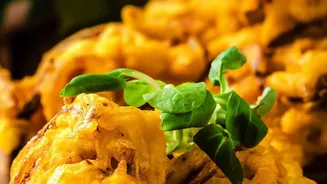
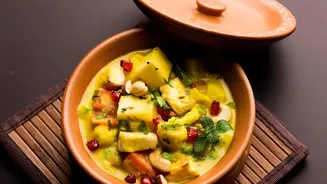
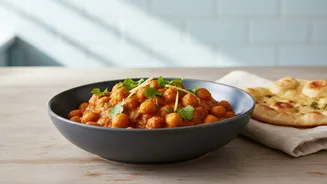
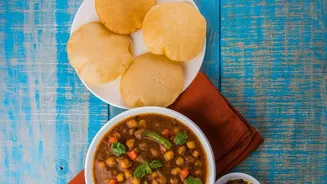
In many ways, Indian cuisine is naturally plant-forward. Dishes like chana masala, rajma, and dal are staples that happen to be vegan without needing a special label. India has a long and rich history of plant-based eating, rooted in Ayurvedic principles and cultural traditions. The modern vegan movement, with its new products like almond milk and mock meats, is intersecting with these traditions. For some, it offers exciting new options. For others, the focus remains on the naturally vegan dishes that have been part of Indian kitchens for generations. The rise of the vegan market in India, which is projected to grow significantly, shows a merging of global trends with local dietary wisdom.