




Know the Peak and the Problem
The Orionids are active from early October to early November, but the peak for 2026 is the night of October 21-22. This is when Earth passes through the densest part of the debris trail left by Halley's Comet. Unfortunately, during the 2026 peak, a bright
waxing gibbous moon will be in the sky for much of the prime viewing time after midnight, presenting significant interference. However, there is a silver lining: the moon will set a few hours before dawn on the peak mornings, creating a window of dark skies perfect for meteor watching. Your best bet is to time your viewing for these pre-dawn hours for the highest chance of seeing meteors.
Get Far Away From City Lights
This advice is standard for any stargazing, but it's doubly important when you're competing with a bright moon. City light pollution adds a general glow to the sky that washes out faint objects. When combined with moonlight, it can make seeing all but the very brightest meteors impossible. Finding a secluded spot away from city and street lights is non-negotiable. A rural park, a farmer's field, or a designated dark-sky area will drastically increase your chances. The goal is to reduce as much artificial light as possible so that your eyes only have to contend with the moon.
Put the Moon in a Shadow
You can't turn off the moon, but you can block it. One of the most effective tactics for viewing meteors during a bright lunar phase is to place a physical object between you and the moon. Find a viewing spot where you can strategically sit in the shadow of a building, a barn, a dense line of trees, or even a hill. This keeps the direct glare of the moon out of your eyes, which helps preserve your night vision. You'll still be under a moonlit sky, but you won't be blinded by the source, making it much easier to spot the streaks of light from incoming meteors.
Give Your Eyes Time to Adapt
Human eyes have a remarkable ability to adjust to the dark, but it isn't instantaneous. It can take 20 to 30 minutes for your pupils to fully dilate and your eyes to become sensitive enough to see faint meteors. This dark adaptation is crucial, so be patient. When you get to your viewing spot, get comfortable and resist the urge to check your phone. The bright light from a screen will immediately reset your night vision, forcing you to start the adaptation process all over again. A red-light torch is a good alternative if you need to see, as it affects night vision less severely.
Look to the Darkest Part of the Sky
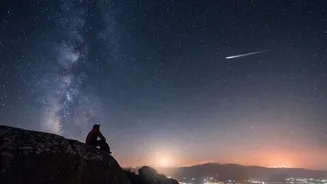
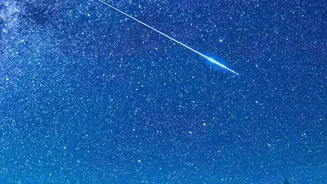
The Orionid meteors will appear to radiate from the constellation Orion, but you don't need to stare directly at it. In fact, when the moon is bright, this might be counterproductive. The best strategy is to lie on your back and look straight up, taking in as much sky as possible. If the moon is in one part of the sky, turn your gaze toward the darkest quadrant, roughly 45 to 90 degrees away from the moon's position. The meteors can appear anywhere and will often look longer and more dramatic farther from their radiant point. By facing the darkest patch, you maximize your chances of spotting them.
Pack for Comfort and Patience
Meteor watching is a waiting game. The best hours are often the coldest, in the early morning before dawn. To make the experience enjoyable, come prepared. Bring a reclining lawn chair, a sleeping bag, or a thick blanket so you can lie comfortably on the ground. Dressing in warm layers is essential, even on a mild autumn night. A thermos of a hot drink can also make the pre-dawn chill more bearable. The more comfortable you are, the longer you'll be willing to stay out, and the more meteors you are likely to see.