






The 'Death by a Thousand Swipes' Effect
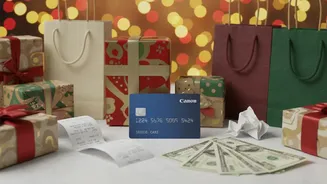
One extra string of lights, a few more boxes of sweets for unexpected guests, a spontaneous online purchase because of a flash sale—each transaction feels insignificant on its own. This is the classic trap of festive spending. Individually, these small
amounts don't trigger financial alarm bells. But when funded by credit cards or 'Buy Now, Pay Later' (BNPL) schemes, they accumulate silently. Before you know it, the total outstanding balance is shockingly high. This phenomenon, often called 'death by a thousand cuts,' is particularly potent during festivals when spending is emotional and spread across many small-ticket items, from food and decor to minor gifts. The ease of tapping a card or clicking a button removes the immediate 'pain of paying', making it easier to overspend without realising the cumulative impact until the bill arrives.
The Psychology of Festive Splurging
Why do even the most careful planners overspend during festivals? The reasons are largely psychological. The festive atmosphere creates a powerful emotional pull, driven by nostalgia, tradition, and the desire for connection. Retailers amplify this with decorations, music, and marketing that evokes a 'warm glow' feeling associated with giving. This emotional state makes decision-making less logical and more impulsive. There's also social pressure to host impressive gatherings, give generous gifts, and maintain a certain standard of celebration. The fear of missing out (FOMO), fueled by limited-time offers and advertisements announcing huge discounts, creates a sense of urgency that overrides rational thought. This emotional cocktail makes us vulnerable to impulse buys we may later regret.
The Rise of 'Buy Now, Regret Later'?
The explosive growth of Buy Now, Pay Later (BNPL) services has added a new layer to festive spending. These services are particularly tempting for small purchases, as they break down the cost into seemingly manageable, interest-free instalments. This structure anaesthetises the pain of paying, making items feel more affordable than they are. Many users, especially younger consumers, view BNPL less as a loan and more as a budgeting tool. However, juggling multiple BNPL payments can become confusing, and missing a payment can lead to fees or negative impacts on your credit score. The convenience of BNPL makes it easy to lose track of total debt, turning a tool designed for flexibility into a potential debt trap.
Your Action Plan: Budget Before the Binge
The most effective tool against creeping debt is a proactive plan. Before the festive season kicks into high gear, create a realistic budget. List all anticipated expenses: gifts, travel, food, decorations, and entertainment. Assign a specific amount to each category. This isn't about restricting joy; it's about making conscious choices. Track your spending against this budget in real-time using an app or a simple notebook. This act of monitoring brings awareness to where your money is going and helps you identify when you're nearing your limits. Planning your purchases in advance can also help you take advantage of deals without falling for impulsive, last-minute splurges.
Wielding Your Credit Card Wisely
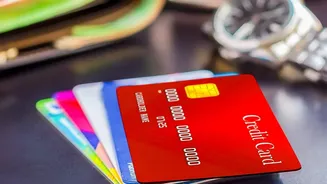
A credit card is a convenient tool, not a source of extra money. To use it responsibly during the festive rush, set clear rules for yourself. The golden rule is to only charge what you are confident you can repay in full when the bill is due. Paying only the minimum amount due can cause your balance to snowball due to high interest rates, which can exceed 40% annually. To maintain a healthy credit score, try to keep your credit utilisation ratio—the amount of credit you use compared to your limit—below 30%. If you have multiple cards, consider spreading larger purchases across them to keep the utilisation low on each one. Finally, turn on transaction alerts to keep a close eye on your spending as it happens.
Focus on Connection, Not Consumption
Ultimately, the festive season is about connection and creating memories, not just accumulating things. Shifting your focus can significantly reduce financial pressure. Instead of expensive gifts, consider thoughtful, homemade presents or shared experiences. Prioritise spending time with loved ones over hosting extravagant parties that stretch your finances. By embracing a mindset of conscious celebration, you can enjoy the spirit of the season without the lingering stress of debt. The goal is to enter the new year with a sense of peace and financial well-being, not a credit hangover that diminishes the joyful memories you’ve just created.