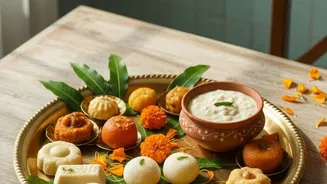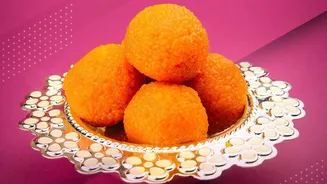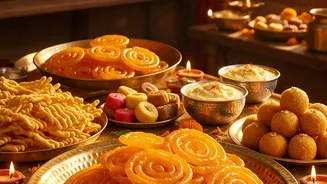

A Sweet Steeped in History and Faith
Mathura's identity is deeply intertwined with being the birthplace of Lord Krishna. The entire region, known as Braj, has a food culture rich in dairy products like milk, butter, and curd, thanks to its history as a pastoral community. Stories of Krishna's
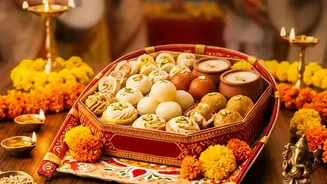
love for milk and butter are legendary, creating a natural environment for milk-based sweets to flourish as temple offerings, or 'prasadam'. The peda became a primary offering, and over centuries, its association with Mathura grew so strong that the city's name became synonymous with the sweet itself. For many devotees and tourists, a visit is incomplete without taking home a box of these iconic treats, which has helped cement its reputation far beyond the city's borders.
The Heart of the Peda: Khoya
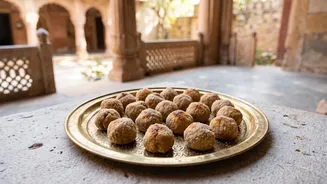
At the core of every peda is khoya, also known as mawa. It's made by slowly simmering full-fat milk in a large, wide pan, stirring continuously until most of the water has evaporated, leaving behind concentrated milk solids. This process is laborious but essential for the final flavour and texture. What sets Mathura's peda apart is how the khoya is treated. Instead of being used when pale, the khoya is roasted until it develops a light brown, tan colour. This roasting caramelises the natural milk sugars, giving the peda its distinctive grainy texture and a deep, nutty, and slightly caramelized flavour that is less like fresh cream and more complex. This specific type of firm, dry khoya, sometimes called 'batti khoya', is ideal for creating the dense structure of a traditional peda.
A Special Kind of Sweetness: Tagar Sugar
The second key ingredient that distinguishes Mathura peda is the type of sugar used. Traditionally, artisans don't use regular powdered sugar. Instead, they use 'tagar' or 'bura' sugar. Tagar is not simply ground sugar; it's made by cooking sugar with water to a specific crystalline state, then stirring it as it cools to form a fine, sandy, and porous powder. This process makes the sugar lighter, less intensely sweet, and more flavourful than standard sugar because the moisture has been cooked out. The slightly grainy texture of tagar blends perfectly with the roasted khoya, contributing to the signature melt-in-the-mouth yet crumbly consistency of the peda. This is the 'secret' that professional sweet-makers, or 'halwais', use to achieve a taste and texture that is difficult to replicate with simple powdered sugar.
Bringing It All Together
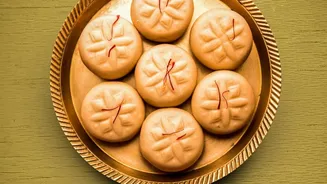
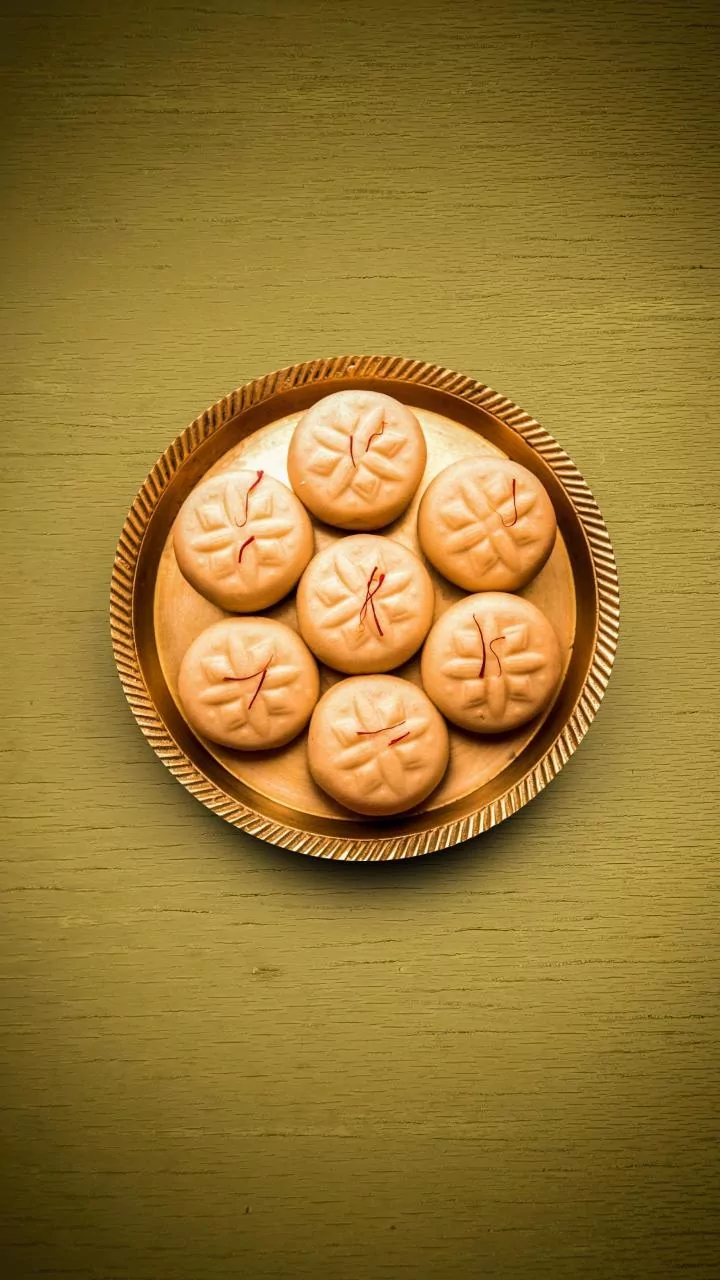
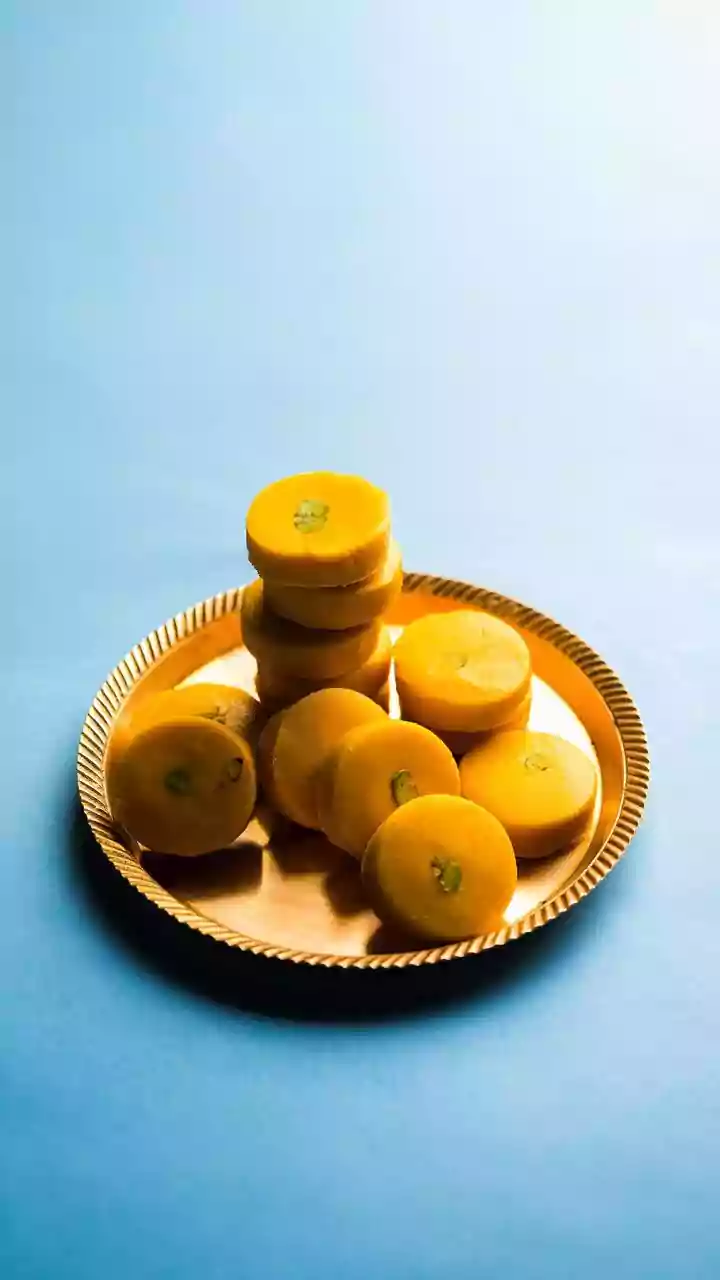
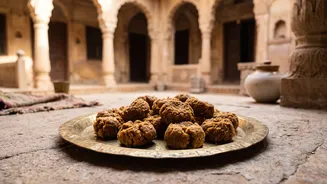
The art of making Mathura peda lies in the patient combination of these two fundamental ingredients. Once the khoya is roasted to the perfect brown hue and has cooled, the tagar sugar and aromatics like cardamom powder are worked into it. The mixture is then shaped by hand into small, dense discs. Often, the finished pedas are rolled in a final dusting of tagar, giving them their characteristic dusty white coating over a dark brown interior. This process, refined over generations, ensures every bite delivers a complex flavour profile: the richness of caramelized milk solids followed by a delicate, sandy sweetness. Because the milk is cooked down so thoroughly, the resulting peda also has a longer shelf life than many other milk sweets, making it an ideal gift to carry home from a pilgrimage.
Protecting a Culinary Landmark
The fame of Mathura Peda is so immense that its name has become a benchmark for quality, much like Darjeeling for tea. This has also led to countless imitations. To protect its authenticity and heritage, an application has been filed to grant Mathura Peda a Geographical Indication (GI) tag. While the tag was still reportedly in process as of mid-2026, its approval would provide legal protection and assure consumers they are buying the genuine article. The move, part of a broader effort in Uttar Pradesh to certify its unique regional products, acknowledges that Mathura peda is not just a food item but a significant cultural and economic product for thousands of local artisans.