





In a world of complex skincare routines, sometimes the most effective solutions are the simplest ones, passed down through generations. The combination of masoor dal and yoghurt is a classic example of kitchen wisdom turned into a powerful beauty ritual.
The Humble Hero: Masoor Dal
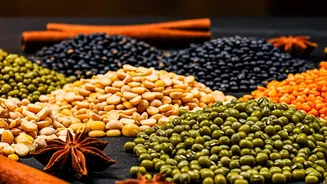
Masoor dal, or red lentil, is more than just a staple food in Indian households; it's a skincare powerhouse rich in proteins, vitamins, and minerals. Its primary benefit comes from its texture, which makes it an excellent natural exfoliant. When ground into a powder or paste, it gently sloughs away dead skin cells, dirt, and impurities, helping to unclog pores and reveal a smoother, more radiant complexion underneath. This cleansing action is particularly beneficial for those with oily skin, as masoor dal helps absorb excess sebum without stripping the skin of its natural moisture. Furthermore, its antioxidant properties can help brighten the skin, fade dark spots, and reduce the appearance of sun tan over time with consistent use.
Yoghurt: A Probiotic Powerhouse
Yoghurt, or dahi, is another kitchen ingredient with a long history of being used for skin health. Its benefits are largely attributed to lactic acid, a gentle alpha-hydroxy acid (AHA) that exfoliates the skin's surface. This process helps to dissolve dead skin cells, leading to a brighter and more even skin tone. Beyond exfoliation, yoghurt is a fantastic hydrator. Its creamy texture and natural fats help to moisturise the skin, leaving it feeling soft and supple. The probiotics, or 'good bacteria', present in yoghurt can help calm irritated skin, reduce redness, and support a healthy skin barrier. It is also rich in nutrients like zinc and B vitamins, which aid in skin repair and regeneration.
Your Simple DIY Recipe
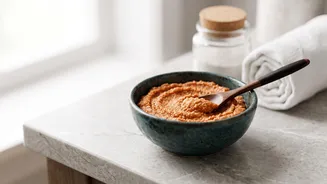
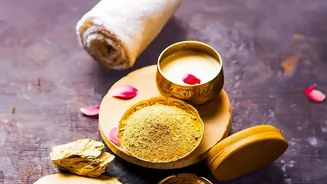
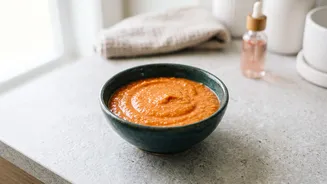
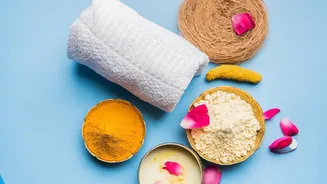
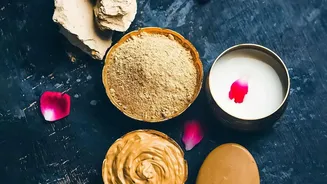
Creating this potent face pack at home is incredibly simple. All you need are two basic ingredients: masoor dal and plain, unflavoured yoghurt. To begin, take about two tablespoons of masoor dal. You have two options: you can either soak the lentils in water overnight until they are soft, or you can grind the dry lentils into a fine powder using a blender. Soaking is often gentler, while the powder provides a stronger exfoliating effect. If you have soaked the dal, grind it into a smooth paste. Then, take one to two tablespoons of plain yoghurt and mix it thoroughly with the masoor dal paste or powder until you achieve a creamy, spreadable consistency. For tan removal, you can also add a pinch of turmeric to the mixture.
Application and Best Practices
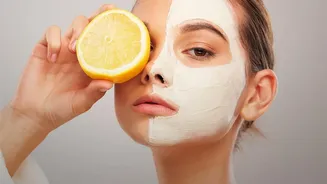
Before applying any new product to your face, it is crucial to perform a patch test on a small area of skin, such as behind your ear or on your inner arm, to check for any irritation or allergic reaction. Once you are clear, start with a clean, dry face. Apply an even layer of the masoor dal and yoghurt pack, avoiding the delicate eye and mouth areas. Let the pack sit for about 15 to 20 minutes. You should not let it dry completely to the point where it cracks, as this can pull moisture from your skin. To remove it, moisten your fingertips with water and gently scrub your face in small, circular motions for about a minute to get the exfoliating benefits. Finally, rinse everything off with lukewarm water and pat your skin dry with a soft towel. Always follow up with a moisturiser to lock in hydration.
Customise For Your Skin Type
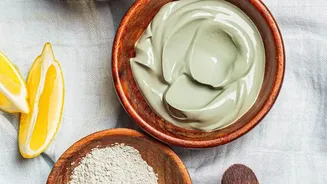
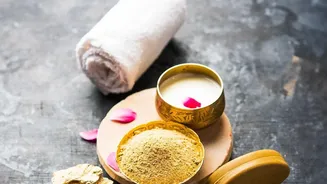
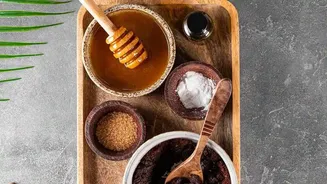
While the basic masoor dal and yoghurt combination is effective, you can enhance it with other natural ingredients to target specific concerns. For dry skin, adding a teaspoon of honey can provide extra moisture and antibacterial benefits. If you have oily or acne-prone skin, a few drops of rose water can help soothe and tone the skin. A pinch of turmeric is a great addition for boosting brightness and fighting inflammation. However, be mindful of what you add. For instance, lemon juice is sometimes recommended for its brightening effects but can be harsh and increase sensitivity, so it should be used with caution, especially by those with sensitive skin.