







The Monsoon Dilemma: Digestion and Contamination
The rainy season, with its high humidity and moisture, creates a perfect breeding ground for bacteria, viruses, and fungi. This environmental shift increases the risk of contaminating food and water sources. Cases of gastroenteritis, typhoid, and other
food-borne illnesses peak during these months. Alongside the external risks, traditional Ayurvedic wisdom suggests that our digestive fire, or 'Agni', naturally weakens during this time, making our systems more sluggish and susceptible. This combination of a vulnerable gut and a higher risk of pathogens means we need to be extra cautious about what we eat and how we prepare it.
The Hidden Dangers in Your Raw Salad Bowl
Leafy greens like lettuce and spinach, along with other raw vegetables like carrots and cucumbers, are particularly risky during the monsoon. The dampness and proximity to moist soil make them prone to harbouring mud, germs, and harmful bacteria like E. coli and Salmonella. Flooding can contaminate irrigation water, and even thorough washing at home may not be enough to eliminate all microscopic pathogens, especially from the intricate folds of leafy greens. Consuming these foods raw significantly elevates the risk of stomach infections, food poisoning, and diarrhoea. Street vendors selling pre-cut fruits and salads pose an even greater risk, as the food is often exposed to the elements and prepared with water from uncertain sources.
Why Cooking Becomes Your Best Friend
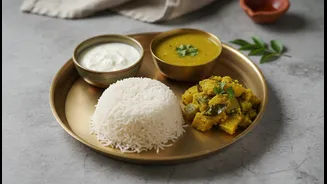
The solution is simple: apply heat. Cooking vegetables—whether by steaming, boiling, stir-frying, or adding them to soups and curries—effectively kills harmful bacteria and germs, making them much safer to eat. Beyond safety, cooked food is also gentler on a sluggish digestive system. The cooking process helps break down complex fibres and nutrients, making them easier for the body to absorb. Warm meals, like a hearty vegetable soup or a light dal, are particularly beneficial as they support digestion and provide comfort during the cool, damp weather, aligning with Ayurvedic principles for the season.
The Micro-green Advantage: Freshness Without the Risk
If you're craving the fresh, crisp texture of a salad, sautéed micro-greens are an excellent and intelligent swap. Micro-greens are the young seedlings of vegetables and herbs, harvested just after their first true leaves appear. They are packed with nutrients, often containing concentrations up to 40 times higher than their mature counterparts. While they are often eaten raw, a light sauté makes them perfectly safe for the monsoon without significant nutrient loss. Lightly cooking can even make some nutrients more bioavailable and easier to digest. Since micro-greens can be grown indoors in controlled environments, they are less exposed to the contamination risks plaguing field-grown produce during the rains.
Smart Monsoon Vegetable Choices
Instead of raw salads, embrace the wealth of monsoon-friendly vegetables. Gourds like bottle gourd (lauki), ridge gourd (tori), and bitter gourd (karela) are excellent choices as they are seasonal and aid digestion. Other good options include carrots, beans, pumpkin, and okra (bhindi). Incorporate warming and immune-boosting spices like turmeric, ginger, garlic, and black pepper into your cooking. These not only add flavour but also have antimicrobial properties that support your health. Think comforting bowls of sambar, light vegetable stir-fries, warm khichdi with added veggies, or a nourishing dal packed with spinach (palak), always ensuring it's well-cooked.