
Pansies: The Cheerful Winter Champions
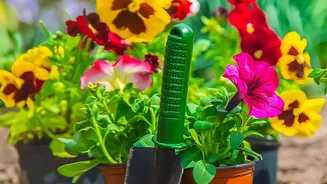
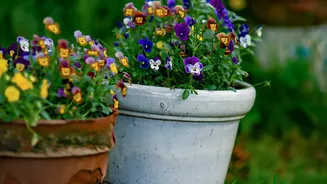
Pansies are perhaps the most recognisable and beloved winter flowers, known for their bright, expressive 'faces' that come in a dazzling array of colours and patterns. These hardy plants are ideal for Indian winters, providing a continuous splash of colour from
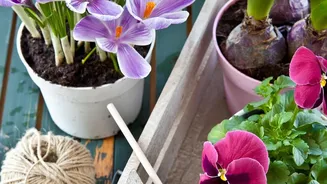
November through February. They are relatively low-maintenance and are perfect for beginners. Plant them in a spot that receives at least four to five hours of morning sunlight. While they can tolerate some shade, ample sun encourages more prolific blooming. Pansies prefer rich, well-draining soil, so enriching your potting mix with compost or well-rotted manure before planting is beneficial. Water them regularly, ensuring the soil remains moist but not waterlogged, as this can lead to root rot. One of the best things about pansies is their versatility; they look stunning in pots, window boxes, hanging baskets, and as borders in garden beds.
Sweet Alyssum: A Fragrant Carpet of Flowers
For those looking to add not just colour but also a delightful fragrance to their winter garden, Sweet Alyssum is an unbeatable choice. This low-growing plant produces dense clusters of tiny, honey-scented flowers, typically in white, but also available in shades of pink and purple. It creates a beautiful cascading or carpet-like effect, making it perfect for filling gaps, edging pathways, or spilling over the sides of containers and hanging baskets. Sweet Alyssum is incredibly easy to grow and requires minimal care. It flourishes in full sun and well-drained soil. Once established, it is quite drought-tolerant, though consistent watering will result in a more lush and floriferous display. It is also a fantastic companion plant, as it attracts beneficial insects like bees and butterflies to your garden, helping to pollinate other plants.
Petunias: The Prolific Performers
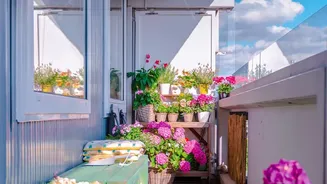
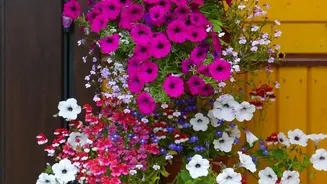
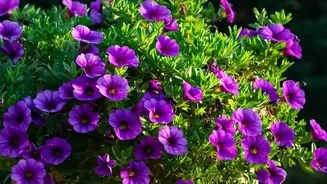
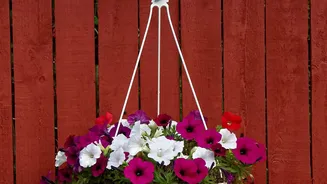
Petunias are a powerhouse of the winter garden, celebrated for their abundant, trumpet-shaped flowers that bloom profusely throughout the season. Available in nearly every colour imaginable, from pure whites and soft pastels to vibrant reds and deep purples, there is a petunia for every garden theme. They are particularly well-suited for container gardening on sunny balconies and patios. To get the best out of your petunias, provide them with at least five to six hours of direct sunlight daily. They thrive in light, well-draining soil and are heavy feeders, so applying a balanced liquid fertiliser every few weeks can significantly boost their flower production. The key to keeping petunias looking their best is regular 'deadheading'—pinching off the spent flowers. This simple task prevents the plant from setting seed and encourages it to divert its energy into producing more beautiful blooms.
Essential Care for Winter Blooms
While these flowers are hardy, a few general care tips will ensure your winter garden remains spectacular. First, always use a well-draining potting mix to prevent water from stagnating around the roots, a common issue in cooler weather. Second, water your plants in the morning. This allows the foliage to dry out during the day, reducing the risk of fungal diseases. Avoid overwatering; check the top inch of soil and water only when it feels dry to the touch. Third, positioning is crucial. Most winter annuals, including these three, are sun-lovers. A south-facing balcony or a sunny spot in your garden is ideal. Finally, regularly removing faded and dead flowers is a non-negotiable task. This practice, known as deadheading, is the secret to a long and continuous flowering season for almost all annual plants.