





1. Go Local with Grains
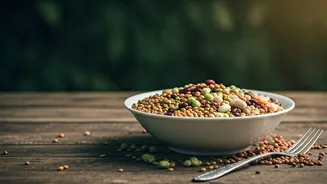
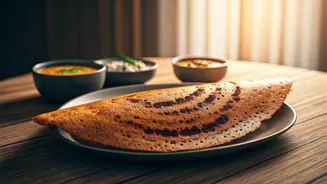
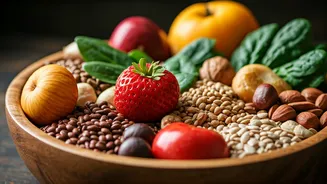
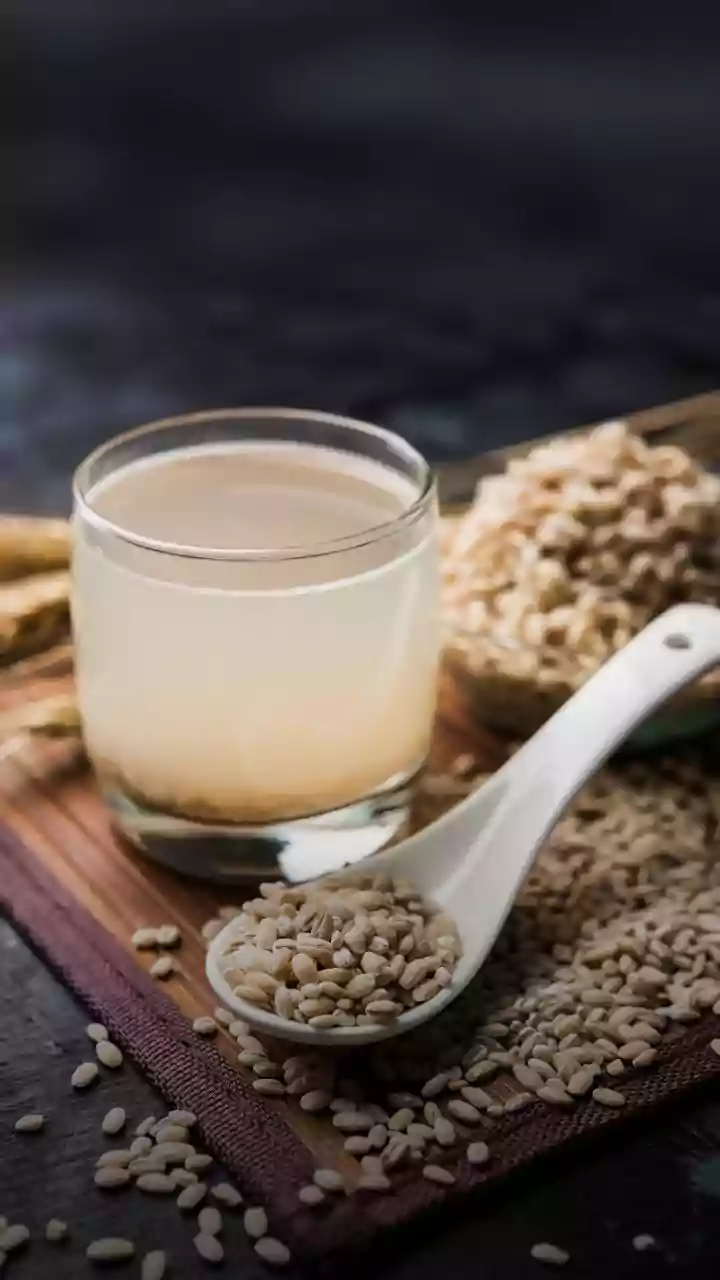
Forget the imported quinoa and oats that weigh heavily on your wallet. India is home to a treasure trove of nutritious and affordable millets like jowar (sorghum), bajra (pearl millet), and ragi (finger millet). These ancient grains are power-packed with
fibre, protein, and essential minerals. They are also naturally gluten-free and have a low glycemic index, making them excellent for managing blood sugar. Swap your morning toast for a ragi porridge or your white rice for fluffy jowar rotis. They are not only cheaper but also better suited to our climate and bodies.
2. Befriend Seasonal Vegetables
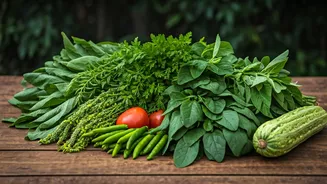
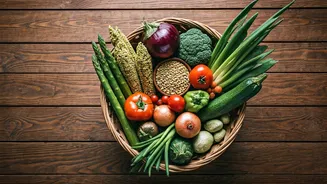
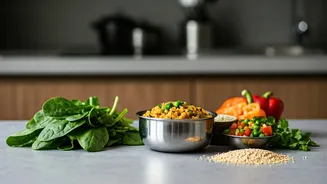
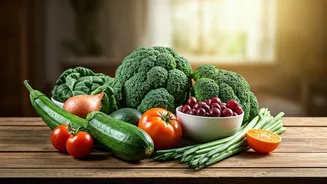
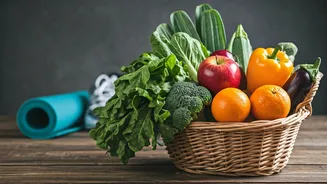
That out-of-season broccoli or those imported bell peppers might look appealing, but they come with a hefty price tag and a lower nutritional profile from being in cold storage. The secret to affordable nutrition is to shop for seasonal, local vegetables. A trip to your local sabzi mandi will reveal a vibrant array of gourds, leafy greens, and root vegetables that are fresh, cheap, and bursting with nutrients. Palak, methi, lauki, and bhindi are not just staples; they are nutritional powerhouses that support everything from immunity to digestion.
3. Find Protein Beyond the Powder
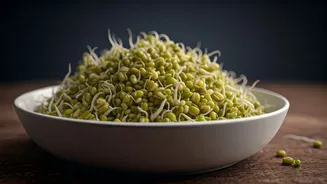
Protein is crucial for muscle repair and satiety, but you don't need expensive whey powders to meet your daily needs. The Indian kitchen is already rich in affordable, high-quality protein sources. Lentils and legumes, from masoor and moong dal to chickpeas and rajma, are your best friends. They provide a fantastic combination of protein and fibre. A bowl of dal is a complete meal when paired with rice or roti. Don’t forget eggs, which are one of the most cost-effective sources of complete protein, and paneer or curd for vegetarians.
4. Make Your Kitchen a Pharmacy
Our spice boxes are filled with ingredients that have potent medicinal properties. Turmeric (haldi) is a powerful anti-inflammatory, fenugreek (methi) seeds help regulate blood sugar, and ginger and garlic are incredible for boosting immunity and fighting infections. Instead of buying expensive supplements, learn to incorporate these spices generously into your daily cooking. A simple glass of haldi doodh before bed or starting your day with a ginger-lemon tea can do wonders for your health at virtually no extra cost.
5. The Outdoors Is Your Free Gym
You don't need a fancy gym membership to stay fit. The most effective form of exercise is often free. A brisk 30-minute walk every day is one of the best things you can do for your cardiovascular health and mood. Many public parks have basic outdoor gym equipment or enough space for you to practice yoga. Use your own body weight for exercises like squats, push-ups, and lunges. The key is consistency, not cost. Find an activity you enjoy, whether it’s walking, jogging, or dancing in your living room, and stick to it.
6. Prioritise Sleep and Hydration
Two of the most impactful health habits are completely free: sleeping well and staying hydrated. Chronic sleep deprivation can wreck your hormones, weaken your immunity, and lead to weight gain. Aim for 7-8 hours of quality sleep each night. Similarly, proper hydration is key to energy levels, brain function, and skin health. You don't need electrolyte drinks or bottled mineral water. Simple, clean water is perfect. Carry a reusable bottle with you and sip throughout the day to ensure you're getting enough.