





Rethink Your Watering Schedule
The single biggest mistake plant parents make during the monsoon is overwatering. [2] With high humidity in the air and less sun, the soil in your pots will take much longer to dry out. [6] Continuing a summer watering routine is the quickest way to cause
root rot, a condition where roots decay due to a lack of oxygen in waterlogged soil. [3, 14] Before you water, always check the soil. A good rule of thumb is the 'finger test': stick your finger about an inch or two into the soil. If it feels damp, wait another day or two before watering. [5, 18] For most plants, allowing the top layer of soil to dry out completely is a must. [6] When you do water, do so lightly, as the plant’s water requirement is significantly lower during this season. [13]
Prioritise Drainage and Airflow
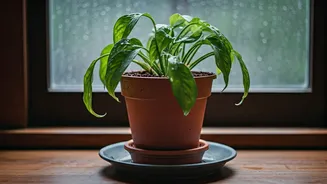
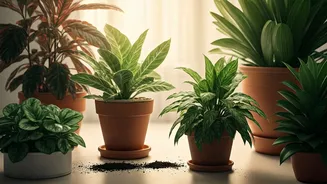
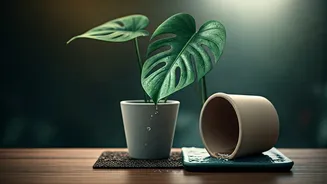
Good drainage is non-negotiable during the monsoon. [8] Ensure your pots have drainage holes at the bottom to let excess water escape. [7] If your pots sit in decorative saucers or trays, make it a habit to empty any collected water immediately. [6] Stagnant water not only contributes to root rot but also becomes a breeding ground for mosquitoes. For an extra layer of protection, you can elevate your pots slightly using pot feet or small bricks to ensure the drainage holes are never blocked. [9] Improving air circulation around your plants is also crucial. High humidity can make the air stagnant, which encourages fungal growth. [12] If possible, place your plants in a well-ventilated area or space them out to promote better airflow between the leaves. [3]
Chase the Sunlight
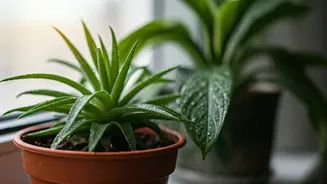
Overcast skies mean your indoor plants receive significantly less sunlight than they are used to. This can cause them to become 'leggy'—stretching unnaturally towards the light source—or lose their vibrant colour. [6] To combat this, move your plants closer to windows that receive the brightest, albeit indirect, light. [5] Regularly rotating your pots by a quarter turn every few days will ensure all sides of the plant get some light, promoting even growth. [6] Don't forget to wipe down your windows, as a clean pane can make a surprising difference in the amount of light that gets through on a gloomy day.
Be Vigilant About Pests and Fungi
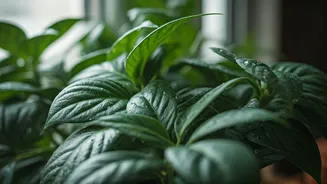
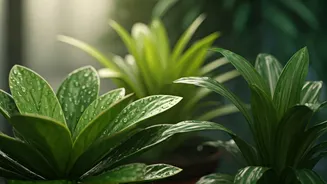
The damp, humid conditions of the monsoon are an open invitation for pests and fungal diseases. [3] Fungus gnats, mealybugs, aphids, and powdery mildew thrive in this environment. [17, 19] Make it a weekly routine to inspect your plants carefully, paying close attention to the undersides of leaves and the points where leaves meet the stem. [3] Early detection is key. If you spot pests, you can often manage them with a simple spray of neem oil mixed with water and a mild soap. [3] To prevent fungal growth, avoid getting the leaves wet when you water and ensure good air circulation. [15] Sprinkling a little cinnamon powder on the topsoil can also act as a natural and gentle fungicide. [6]
Prune and Tidy Up
Monsoon is an excellent time for light pruning. Trimming away any yellowing, dead, or damaged leaves and stems not only keeps your plant looking neat but also prevents the spread of disease. [3, 8] Removing excess or overgrown foliage helps improve air circulation through the plant, further reducing the risk of fungal infections that thrive in dense, damp conditions. [10, 12] Use clean, sharp scissors or pruning shears to make clean cuts. This encourages the plant to direct its energy towards new, healthy growth. It is also a good time to clear any fallen leaves or debris from the soil surface, as this can harbour pests. [8]
Go Easy on the Fertiliser
Most indoor plants slow down their growth during the monsoon due to reduced light. [4, 23] Because they aren't actively growing, they don't require as many nutrients. Fertilising during this period can do more harm than good, as the unused salts can build up in the moist soil and burn the roots. [5] It's best to pause your fertilising schedule until the brighter, sunnier days return after the monsoon. If you feel your plant needs a small boost, opt for a mild organic option like a tablespoon of vermicompost once a month during a dry spell. [4]