





Why Humidity Changes Your Skin
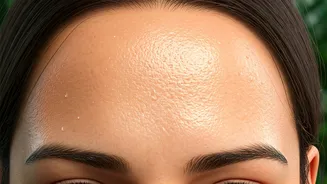
High humidity means there's a lot of moisture in the air. This signals your skin to produce more sweat and sebum (natural oil). [2, 8] This excess oil can mix with dirt and dead skin cells, leading to clogged pores, a greasy-looking complexion, and acne
breakouts. [9, 12, 13] The damp environment is also a perfect breeding ground for bacteria and fungi, which can cause skin irritation and infections like ringworm or athlete's foot. [8, 20, 30] Understanding this is the first step to making smarter choices for your skin during the rainy season.
Cleanse Thoroughly, But Gently
To combat the extra oil and grime, cleansing becomes crucial. Aim to wash your face twice a day with a gentle, pH-balanced cleanser that doesn't strip your skin of its natural moisture. [10, 26] Look for gel-based or foaming cleansers, especially for oily skin. [9] Some dermatologists recommend cleansers with ingredients like salicylic acid to gently exfoliate and dissolve oil build-up in the pores. [5, 12] Double cleansing in the evening—starting with an oil-based cleanser to remove makeup and sunscreen, followed by a water-based one—is an effective way to ensure your pores are thoroughly clean without causing irritation. [5, 22]
Lighten Up Your Moisturiser
It might feel intuitive to skip moisturiser when your skin feels oily, but this is a mistake. Dehydrated skin can actually produce more oil to compensate. [24] The key is to switch from heavy creams to lightweight, non-comedogenic (pore-clogging) formulas. [9, 22] Gel-based or water-based moisturisers are perfect for the monsoon. [4, 17, 28] Look for products containing humectants like hyaluronic acid and glycerin, which draw moisture into the skin without feeling heavy or greasy. [10, 11, 22] These will provide the hydration your skin needs to stay balanced and healthy.
Exfoliate, But Don't Overdo It
Regular exfoliation is essential during the monsoon to remove the build-up of dead skin cells and prevent pores from getting clogged. [3, 7] However, be careful not to scrub too harshly, which can damage your skin's protective barrier. [20] Opt for gentle chemical exfoliants containing Alpha Hydroxy Acids (AHAs) or Beta Hydroxy Acids (BHAs) like salicylic acid, using them two to three times a week. [12, 26, 28] This will help keep your skin smooth and clear without causing irritation.
Sunscreen is Non-Negotiable
Don't let the cloudy skies fool you; up to 80% of the sun's harmful UV rays can penetrate through clouds. [6, 21] These rays are responsible for premature ageing, tanning, and dark spots. [1, 16] In fact, wet surfaces like roads and puddles can reflect UV rays, increasing your exposure. [16, 18] It is crucial to wear a broad-spectrum sunscreen with at least SPF 30 every single day, even when you're indoors near a window. [3, 10, 27] Choose a lightweight, water-resistant, and non-greasy formula that feels comfortable in the humidity. [1, 18]
Targeted Care and Simple Habits
For specific monsoon woes, consider products with niacinamide to control oil and improve skin texture. [4, 14] If you experience fungal infections, antifungal powders can help, especially in body folds. [20] It’s also wise to opt for minimal, water-based makeup that won't clog pores. [10, 22] Simple habits make a big difference: avoid touching your face to prevent transferring bacteria, change out of wet clothes quickly, and stay hydrated by drinking plenty of water. [12, 15, 20]