





Why More Fibre Matters
Dietary fibre is a type of carbohydrate that our bodies can't digest. It plays a crucial role in maintaining good health. According to the National Institute of Nutrition (ICMR), most Indian adults should aim for about 25 to 40 grams of fibre daily. A high-fibre
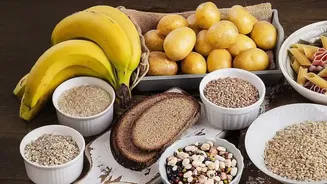
diet supports healthy digestion, helps prevent constipation, and can aid in managing blood sugar levels and cholesterol. It also helps you feel fuller for longer, which can be beneficial for weight management. Fibre-rich foods include whole grains, lentils, legumes, vegetables, fruits, nuts, and seeds, all of which are staples in Indian cuisine.
The High-Fibre Indian Breakfast
Starting your day with fibre is easy with a few simple tweaks to common breakfast dishes. If you enjoy poha, try making it with brown or red rice poha and be generous with vegetables like peas and carrots. For upma fans, using oats or millets like ragi instead of refined semolina (suji) can significantly increase the fibre content. When making parathas, use whole wheat or multigrain atta and stuff them with fibre-rich fillings like methi, palak, or grated vegetables. Adding a spoonful of flaxseeds or chia seeds to your dosa batter or morning porridge is another simple trick to effortlessly boost your fibre intake.
A Fibre-Packed Lunch
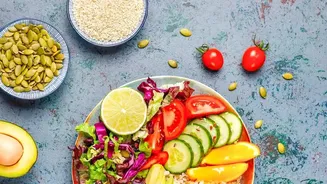
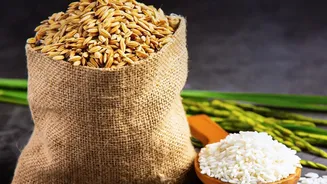
The traditional Indian lunch thali is already well-positioned to be a high-fibre meal. To maximise its benefits, focus on whole ingredients. Opt for rotis made from whole grains like jowar, bajra, or whole wheat instead of refined flour (maida). When preparing dal, use whole lentils (sabut dal) like moong or masoor, as they contain more fibre than their split and skinned counterparts. Ensure your plate includes a generous portion of sabzi, using a variety of vegetables like beans, broccoli, and leafy greens. A simple side salad of cucumber, tomato, and onion not only adds freshness but also contributes valuable raw fibre. Replacing white rice with brown rice or millets is another excellent swap.
A Dinner That Delivers
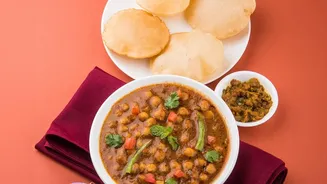
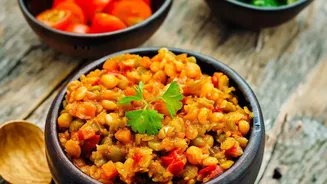
A fibre-rich dinner can support digestion overnight and prevent late-night cravings. A vegetable khichdi made with millets or brown rice and a mix of dals is a comforting and highly nutritious one-pot meal. Legume-based curries like chana masala or rajma are fibre powerhouses that can be paired with whole-grain rotis or a serving of millet. Soups are another great option; a mixed vegetable and lentil soup provides both hydration and fibre. If you're having a lighter meal, consider an oats cheela stuffed with paneer and vegetables, or a simple lauki chana dal, which is both easy to digest and rich in fibre.
Simple Swaps and Smart Habits
Beyond main meals, small changes throughout the day can make a big difference. Choose whole fruits like guavas, apples, and bananas over fruit juices, as the pulp and skin contain most of the fibre. For snacks, swap processed biscuits for a handful of roasted chana, nuts, or seeds. When increasing your fibre intake, do so gradually to allow your digestive system to adjust. It's also essential to drink plenty of water throughout the day, as fibre needs water to work effectively in your system. By focusing on these familiar foods and simple habits, a healthier, more fibre-focused diet is well within reach.