





What Exactly Is a Fibre-First Breakfast?
At its core, the fibre-first trend is simple. It's the conscious choice to begin your day with a meal rich in dietary fibre, a type of carbohydrate the body can't digest. [7] Instead of reaching for simple sugars and refined carbs that cause a quick energy
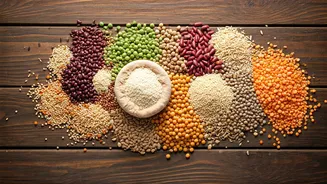
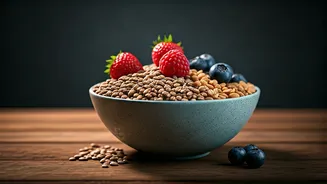
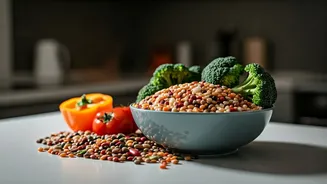
spike followed by a crash, this approach focuses on whole foods that release energy slowly and keep you feeling satisfied. [10, 13] The goal is to prioritise ingredients like whole grains, seeds, fruits, and vegetables over their processed counterparts. [17] This doesn’t mean breakfast has to be boring or complicated. In fact, many traditional Indian kitchens are already well-equipped for this trend, featuring fibre-rich staples that have been enjoyed for generations. [5, 8]
The Science of a Satisfying Start
So, why the sudden emphasis on fibre in the morning? The benefits are backed by science and can transform how you feel throughout the day. Firstly, fibre promotes satiety, meaning it helps you feel fuller for longer, which can prevent overeating later and assist in weight management. [4, 6] Secondly, it plays a crucial role in regulating blood sugar. By slowing down how quickly sugar is absorbed into the bloodstream, a high-fibre breakfast prevents sharp spikes and subsequent energy slumps. [4, 10] This leads to more stable and sustained energy levels, improving focus and productivity. [3, 7] Perhaps most importantly, fibre is essential for gut health. It acts as a prebiotic, feeding the beneficial bacteria in your gut, which is linked to everything from better digestion and a stronger immune system to improved mood. [6, 11, 13]
Why the Trend Is Gaining Momentum
The rise of the fibre-first breakfast isn't happening in a vacuum. It’s driven by a larger cultural shift towards wellness and a deeper understanding of the gut-body connection. With growing awareness about the pitfalls of ultra-processed foods, many people are seeking more natural, whole-food alternatives. [19] The conversation around gut health has exploded on social media, with health influencers and nutritionists highlighting its importance for overall well-being. This has led to a renewed appreciation for foundational nutrients like fibre. The trend also aligns with a move towards more mindful eating, where people are more interested in what’s in their food and how it makes them feel, rather than just counting calories.
Bringing the Trend to Your Indian Kitchen
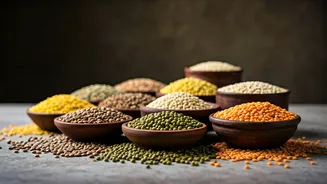
The good news is that adopting a fibre-first breakfast is incredibly easy and delicious within an Indian culinary context. Many beloved breakfast dishes are naturally high in this key nutrient. Consider vegetable poha, loaded with peas and peanuts, which offers a great mix of fibre and flavour. [2] Swapping regular semolina upma for one made with steel-cut oats (dalia) or millets significantly increases its fibre content. [8] Lentil-based options like moong dal chilla or besan chilla, especially when packed with leafy greens like spinach or methi, are excellent choices. [2, 5] Even the humble idli can be transformed by using millets like ragi or brown rice instead of white rice, paired with a hearty sambar full of vegetables and lentils. [5, 8]
Simple Swaps for an Instant Fibre Boost
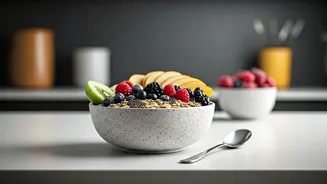
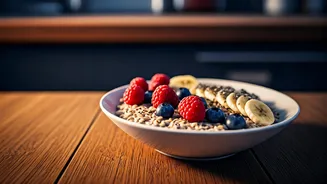
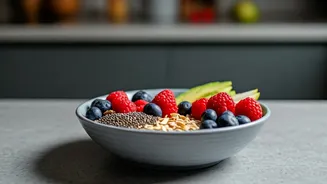
You don't need to completely overhaul your morning to join the trend. Small changes can make a big difference. If you enjoy a bowl of curd or yogurt, add a tablespoon of chia seeds or flaxseeds for a significant fibre and omega-3 boost. [14] When making toast, simply switch from white bread to whole-wheat or multigrain bread and top it with avocado instead of just butter. [9] If you're a fan of smoothies, blend in a handful of spinach, some berries, and a spoonful of seeds. [20] Even when preparing traditional dishes like parathas, using multigrain flour and a vegetable-based stuffing can elevate the fibre content substantially. [21] These easy swaps help you meet your daily fibre goals without sacrificing taste or convenience.