




The Power of Podi
For the uninitiated, podi is a coarse spice powder that is a cornerstone of South Indian cuisine. The word itself simply means 'powder' in several South Indian languages. While recipes vary from region to region and even household to household, most podis
are built on a base of slow-roasted lentils (like chana dal and urad dal), seeds, and a blend of spices such as dried red chillies, cumin, and black pepper. Often nicknamed 'gunpowder' for its explosive flavour, podi is a flavour bomb designed to add an instant layer of savoury depth, nuttiness, and gentle heat to any dish.
From Idli to Infinity
Traditionally, podi's most famous role is as a condiment for breakfast staples like idli and dosa. The dry powder is typically mixed with a spoonful of ghee or sesame oil to form a coarse, aromatic paste, perfect for dipping or spreading. This simple preparation brings the powder to life, releasing the toasty, roasted notes of the lentils and the warmth of the chillies. Beyond breakfast, it's also sprinkled over hot rice or used to season vegetables, demonstrating its versatility as an everyday flavour enhancer.
The Urban Pizzeria Twist
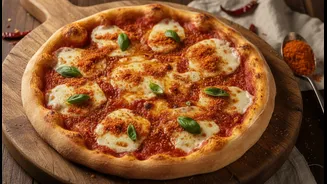
So, how did this South Indian staple make the leap onto an Italian classic? The trend is part of a broader movement in urban Indian food culture, where chefs are creatively fusing local flavours with global formats. Pizza, with its universal appeal and adaptable nature, serves as the perfect canvas. Chefs are looking beyond the usual paneer tikka and butter chicken toppings to explore more nuanced regional ingredients. Podi offers a unique profile that isn't just spicy; it provides texture from the ground lentils and a deep, umami-rich nuttiness that beautifully complements the saltiness of cheese and the chewiness of the crust.
Reinventing the Application
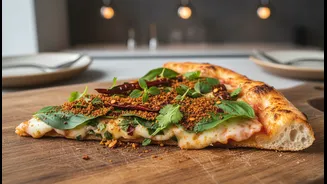
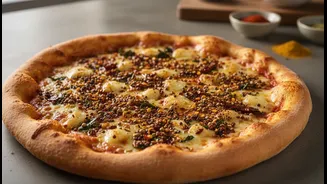
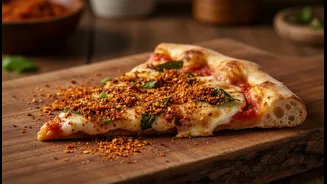
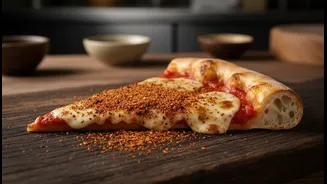
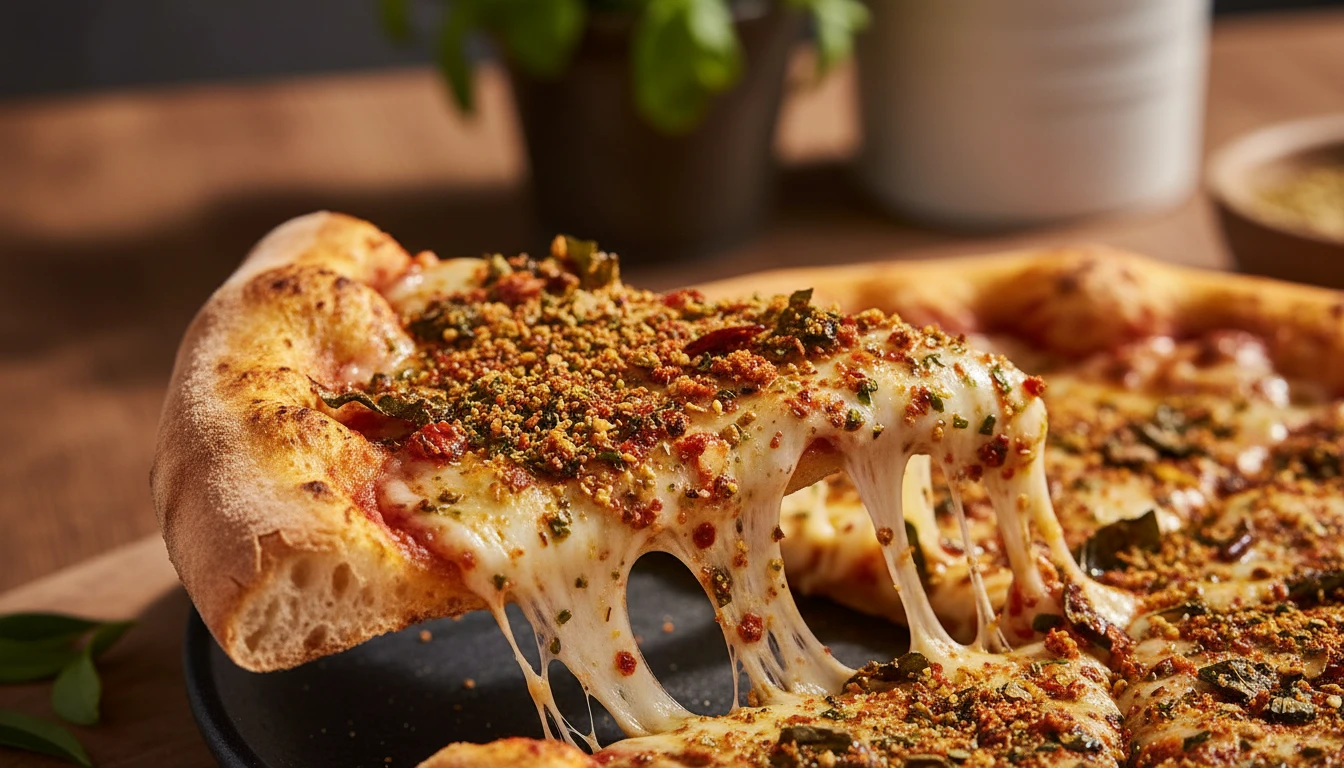
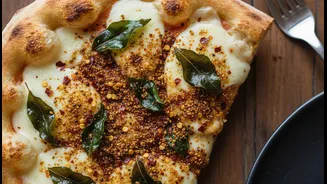
The key to using podi on pizza lies in modifying its traditional application. The classic method of mixing it with oil to create a wet paste doesn't quite work, as it would make the pizza soggy. Instead, chefs are using the dry podi in more innovative ways. One popular technique is to use it as a 'finishing dust'. After the pizza comes out of the oven, a generous sprinkle of dry podi acts much like oregano, adding a final burst of aroma and a slightly crunchy texture. Another modification is to use it as a dry rub on toppings like chicken or roasted vegetables before they are placed on the pizza, infusing them with flavour from the start.
Beyond the Base Sauce
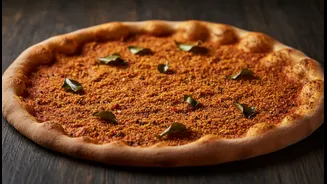
Innovative bakers are also integrating podi directly into the pizza's foundation. Some infuse olive oil with podi, brushing it onto the crust before adding the sauce and toppings. This subtly seasons the entire pizza from the base up. A more daring approach involves mixing the dry podi directly into the pizza dough itself. This creates a speckled, flavourful crust with a savoury, spicy character that surprises with every bite. Rather than competing with the traditional tomato sauce, these techniques allow the podi to act as a complementary layer of flavour, adding a distinctly Indian complexity to the overall experience.
A Symphony of Flavours
What makes this unconventional pairing work so well comes down to flavour balancing. A great pizza needs a balance of salt, fat, and acid. The richness of mozzarella and the sweetness of tomato are perfectly cut by the earthy, spicy, and slightly astringent notes of the podi. The roasted lentils in the blend provide a savoury depth that enhances the umami of the cheese and cooked toppings. It's a culinary dialogue between Italian simplicity and Indian complexity, proving that the right technique can build a delicious bridge between two very different food traditions.