






What Is Fine Particulate Matter?
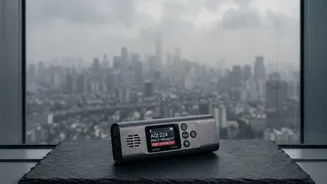
The main culprit is something called PM2.5, or fine particulate matter. These are microscopic particles in the air, less than 2.5 micrometres in diameter—about 30 times smaller than a human hair. Because of their incredibly small size, they don’t just
get stuck in your nose or throat. When you breathe them in, they can travel deep into the furthest reaches of your lungs and from there, some can even pass directly into your bloodstream. These particles come from various sources, including vehicle exhaust, industrial emissions, and smoke from burning waste or crops.
The Body's Reaction: Systemic Inflammation
Once these toxic particles enter your bloodstream, your body identifies them as foreign invaders, much like a virus or bacteria. This triggers a response from your immune system, leading to a state of constant, low-grade inflammation throughout your body. This systemic inflammation is incredibly draining. Your body has to divert significant energy reserves to manage this internal battle, much like it does when you're fighting off the flu. This immune response is what produces that profound 'wiped out' feeling of exhaustion and physical fatigue you might experience on high-pollution days.
The Cellular Energy Crisis
The inflammatory process also leads to something called oxidative stress. Think of it as a form of cellular-level rust. This process generates unstable molecules that damage various parts of your cells, including the mitochondria. Mitochondria are the power plants of your cells, responsible for producing the energy your body needs to function. When they are damaged, their ability to produce energy is compromised, contributing directly to feelings of lethargy and reduced physical stamina. Furthermore, some pollutants like carbon monoxide, often present in smog, can reduce the oxygen-carrying capacity of your blood, further starving your muscles and brain of what they need to function optimally.
The Assault on the Brain
The feeling of 'brain fog' and an inability to concentrate is not a psychological symptom; it's a physiological one. Because PM2.5 particles are small enough to travel through the bloodstream, they can breach the protective blood-brain barrier. Once inside the brain, these particles can cause neuroinflammation—inflammation of the brain tissue itself. This process disrupts the delicate chemical balance in the brain, affecting neurotransmitters like dopamine and serotonin that regulate mood, focus, and cognitive function. The inflammation can directly impair how neurons fire, slowing down your mental processing speed, shortening your attention span, and making complex thinking more difficult.
A Rapid and Noticeable Impact
These effects don't necessarily take years to manifest. Acute, short-term exposure to high levels of smog can trigger these responses rapidly. You can wake up feeling fine, but as pollution levels rise during the day, you may notice a decline in your energy and mental clarity by the afternoon. This is because the inflammatory cascade and the disruption to brain function can begin soon after exposure. People with pre-existing conditions like asthma or heart disease are more vulnerable, but even healthy individuals can feel the immediate impact of a high AQI day on their physical and cognitive endurance.