



What Does 'Lived-In' Really Mean?
The lived-in interior trend isn't about mess or disorganisation. It’s a deliberate and curated style that prioritises personality and comfort over rigid perfection. Think of it as a quiet rebellion against the cold, untouchable feel of ultra-minimalism.
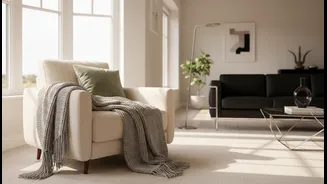
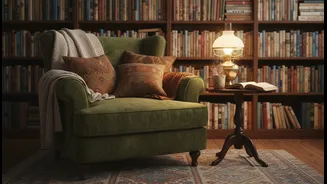
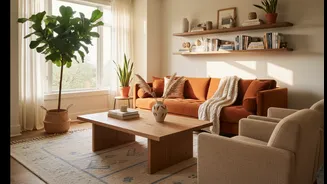
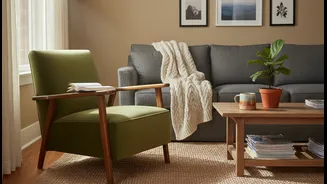
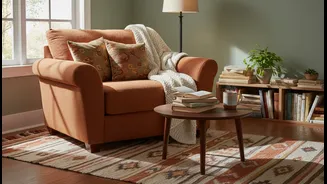
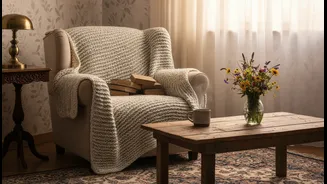
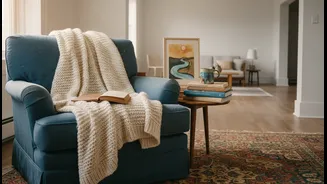
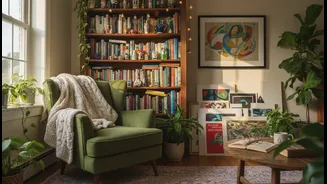
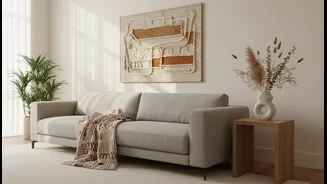
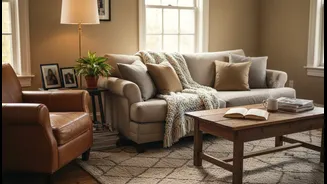
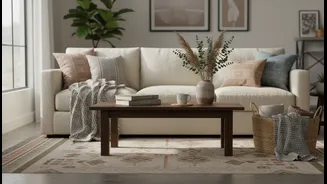
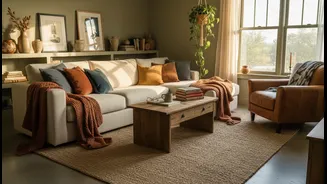
This aesthetic celebrates spaces that look like they have evolved over time, where every object has a story. It's about layers: soft blankets draped over a sofa, stacks of beloved books on a coffee table, and personal collections displayed with pride. The goal is to create a warm, inviting atmosphere that reflects the people who live there, full of their quirks, memories, and passions. It's a design approach that values authenticity and creates a home that feels both beautiful and deeply human.
A Welcome Backlash to Perfection
The shift towards lived-in spaces is partly a reaction against the flawless, catalogue-ready homes that have dominated social media for the last decade. Many found the pressure to maintain a pristine, minimalist environment exhausting and ultimately unachievable for a functioning household. Designers note a rising desire for rooms that are shown as they are actually used. The lived-in style offers a more forgiving and realistic alternative. It swaps the 'less is more' philosophy for a 'more is more' approach that embraces eclecticism, from bold colours to mixed patterns and luxurious fabrics. This move away from sterile perfection is also connected to a broader cultural fatigue with digital overload and disposable products; people are craving solidity, permanence, and psychological stability in their personal spaces.
Comfort Is the New Luxury
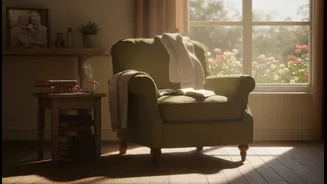
At its heart, the lived-in trend is about the triumph of comfort. After a period where many people spent more time than ever within their own four walls, the home's role shifted. It became an office, a school, a gym, and most importantly, a sanctuary. This accelerated a re-evaluation of what makes a home truly work. Functionality and comfort became non-negotiable. Psychologically, humans are hardwired to seek out environments that feel safe, warm, and familiar—qualities that signal the brain to relax. Soft textures, warm lighting, and spaces arranged for conversation rather than just for appearance all contribute to this sense of well-being. In this new hierarchy of values, a sofa you can truly sink into is more luxurious than one that simply looks good in a photo. Comfort is no longer seen as an indulgence, but as an essential component of emotional health.
How to Cultivate the Lived-In Look
Achieving a lived-in feel is less about following a strict set of rules and more about embracing a mindset. It begins with choosing pieces that have personal meaning. Instead of buying everything new from one store, this style encourages mixing vintage finds with modern pieces and displaying cherished possessions. Layering is key. Mix textures like plush fabrics, natural woods, and woven materials to add depth and warmth. Arrange furniture to encourage connection and conversation, rather than just facing a screen. Finally, allow the space to evolve. A lived-in home is never truly 'finished'; it grows and changes with you, telling the story of your life through the objects and memories you gather along the way.
A Style With Staying Power
While design trends come and go, the move towards lived-in interiors feels more like a lasting philosophical shift than a fleeting fad. It aligns with a broader cultural emphasis on wellness, authenticity, and sustainability, as it often involves upcycling and investing in timeless, meaningful pieces. The trend rejects the idea that beauty and comfort are mutually exclusive, arguing instead that true beauty lies in spaces designed for human experience. By championing personality over polish and well-being over wealth, the lived-in style offers a more attainable and soul-satisfying vision for the modern home—one where you can finally put your feet up and feel genuinely at ease.