



The New 9-to-5: Coffee, Code, and Calm
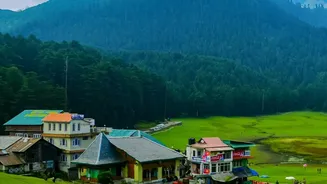
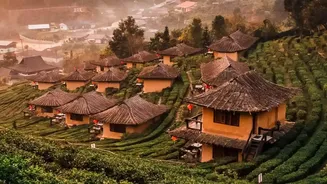
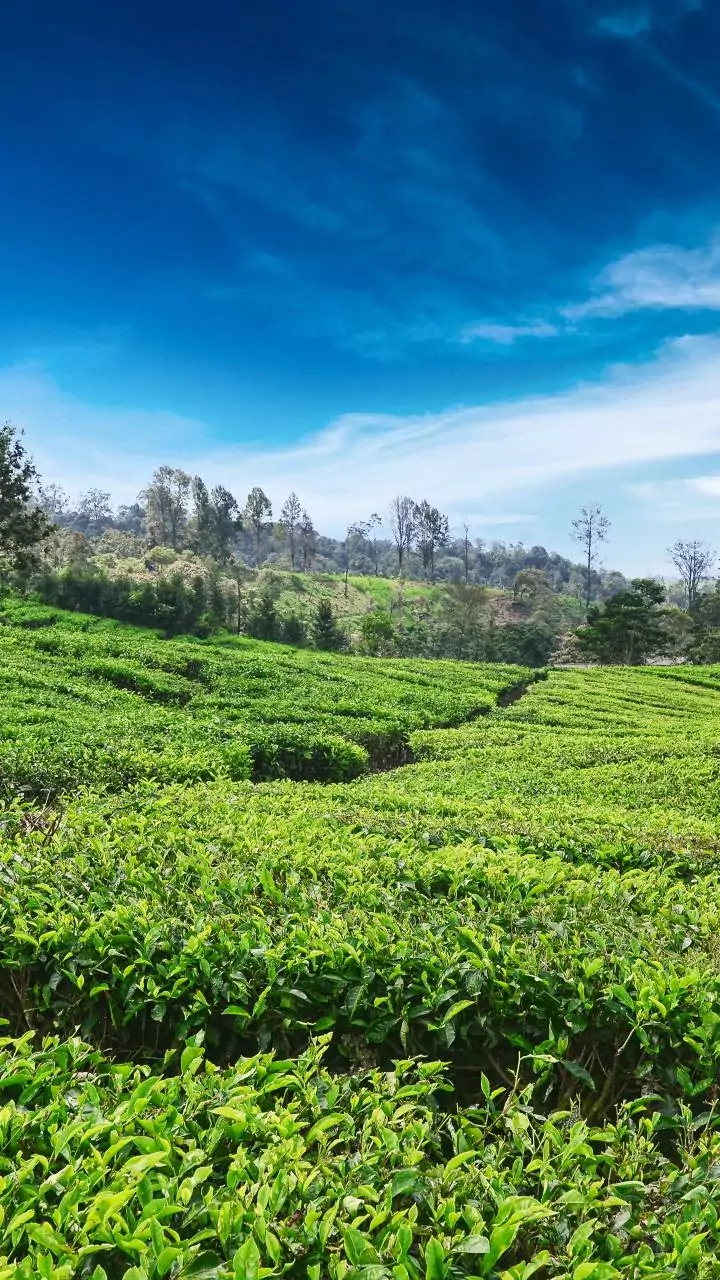
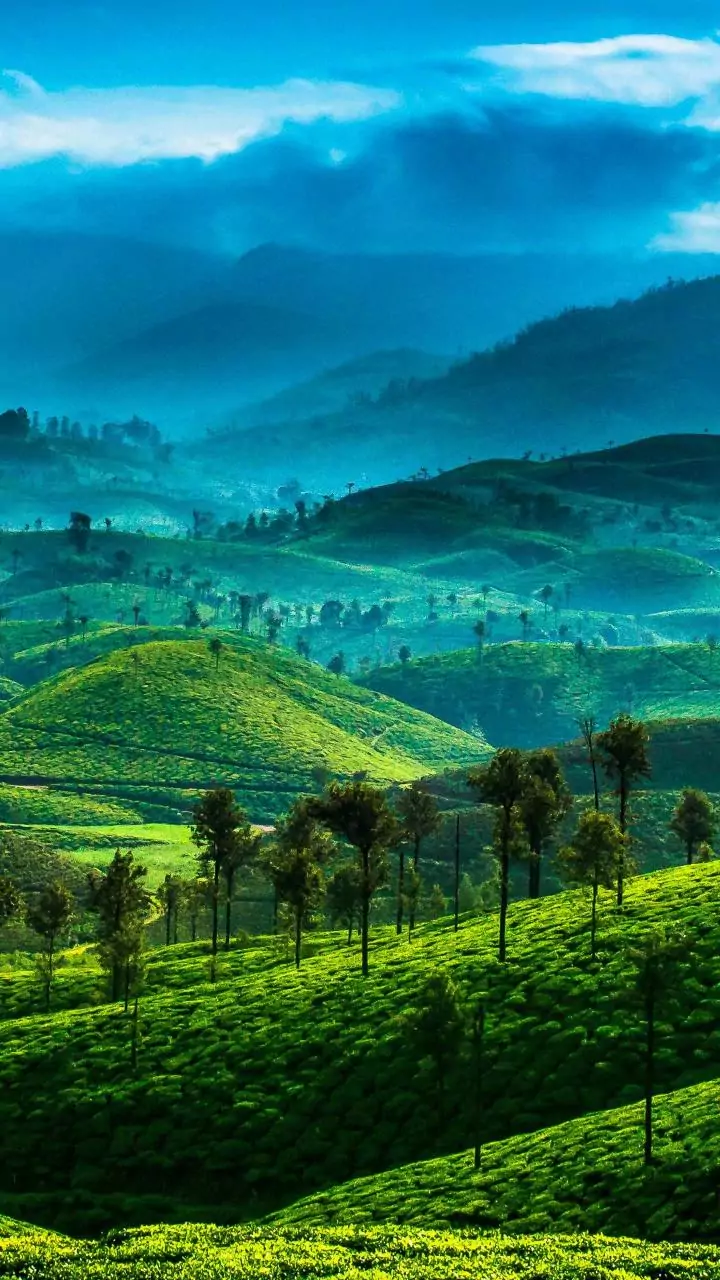
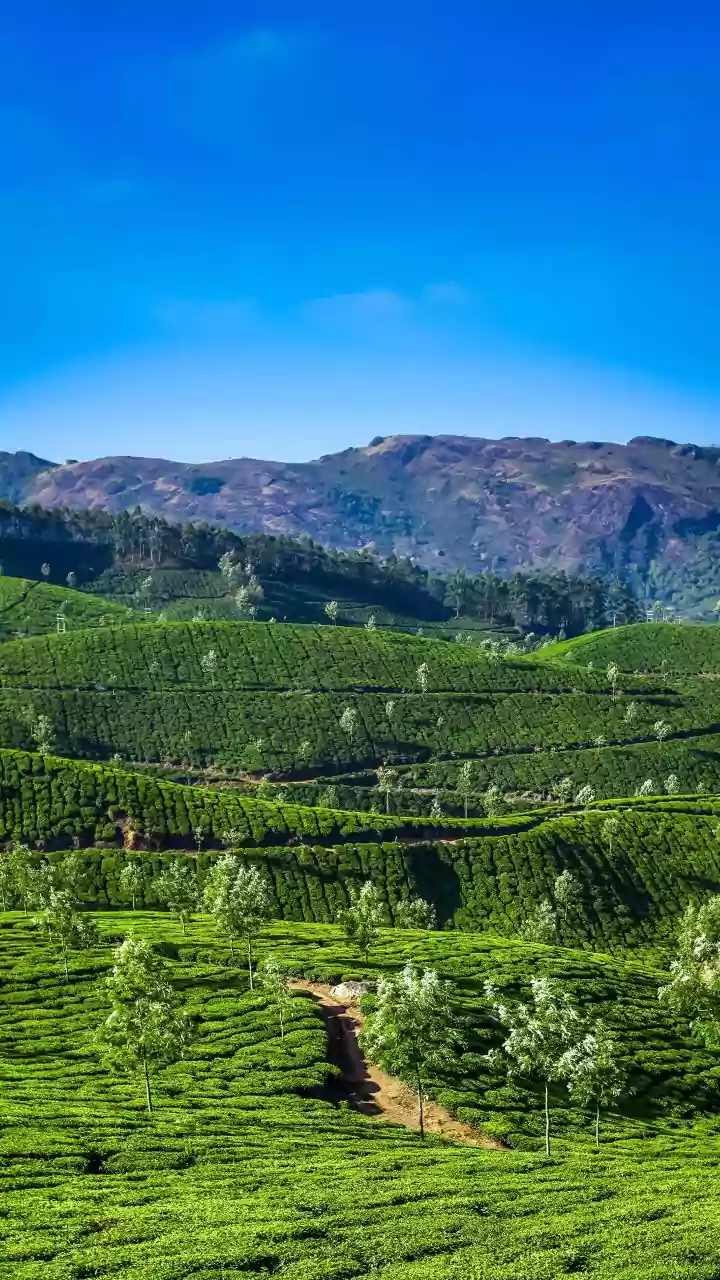
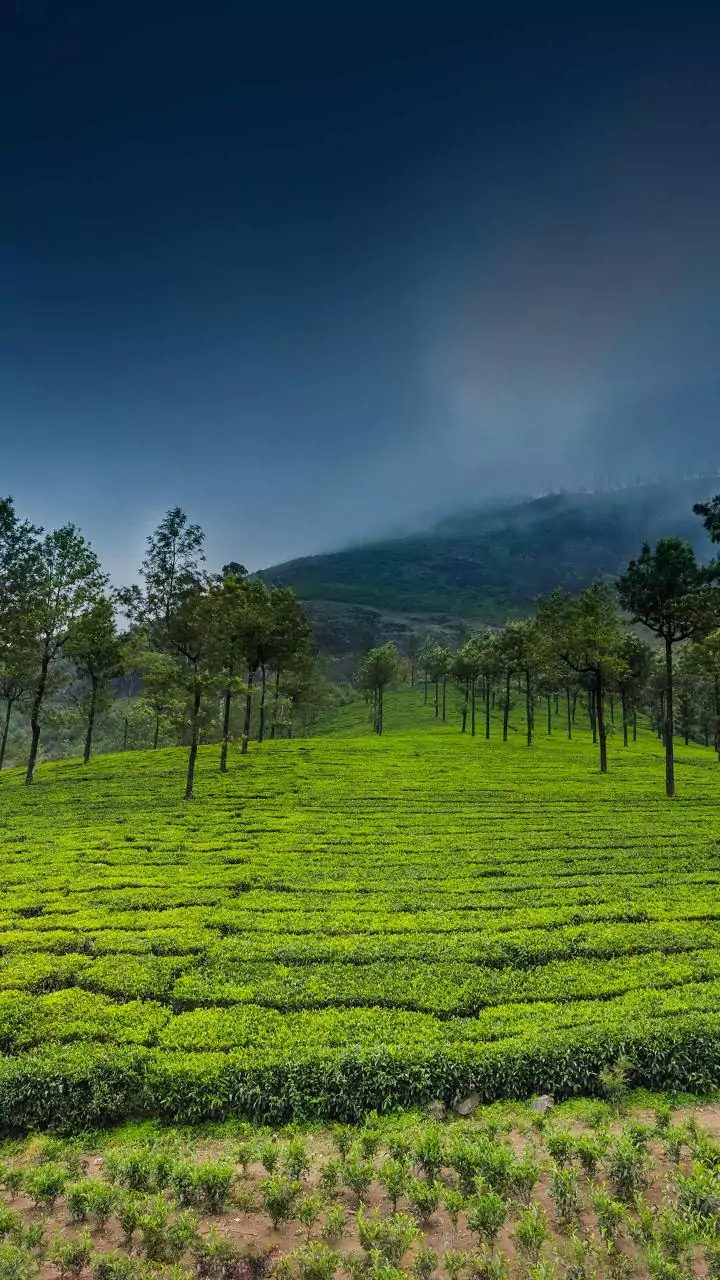
Imagine starting your workday with the aroma of freshly brewed coffee, sourced from the estate you are living on. Your desk is a veranda overlooking rolling hills, and your only commute is a short walk from your room. This is the reality for a new wave
of professionals who are redefining remote work. Instead of being tethered to their apartments in cities like Jaipur, Lucknow, or Coimbatore, they are packing their laptops and heading to the serene landscapes of Coorg. This trend, known as a 'workation,' blends work and leisure, allowing employees to remain productive while escaping the confines and burnout of city life. It represents a significant shift from the initial 'work from home' model, which often blurred the lines between personal and professional life into a stressful continuum.
From Tier 2 Cities to Tranquil Estates
While professionals from metros have long sought getaways, the move towards workations is gaining significant traction among those from Tier 2 cities. Several factors are driving this. For one, while the cost of living is lower than in metros, the infrastructure and quality of life in smaller cities can still feel restrictive. The promise of remote work was freedom, but for many, it translated to being stuck in the same environment day after day. A workation in Coorg offers a powerful antidote. It provides a change of scenery that can boost creativity and mental well-being, all while being a relatively affordable and accessible option. The lure is not just escaping urban monotony but actively choosing a better quality of life, even if just for a few weeks or months.
What the Estates Offer
Catering to this demand, coffee estates and homestays in Coorg have evolved. They are no longer just weekend getaways. Many now offer long-stay packages with discounted monthly rates, specifically designed for remote workers. The key offerings include high-speed Wi-Fi, often with power backup, dedicated workspaces or quiet corners conducive to concentration, and home-cooked local meals. This setup removes the logistical hassles of a long trip, providing a seamless plug-and-play environment where professionals can be productive from day one. The experience is a blend of hospitality and practicality, offering the comfort of a home with the amenities of an office.
A Boost for the Local Economy
This trend is proving to be a significant boon for Coorg's tourism-dependent economy, which faced immense challenges during the pandemic. Workationers typically stay longer than average tourists, providing a more stable and consistent revenue stream for homestay owners and local businesses. This influx helps create and sustain local employment, from cooks and guides to maintenance staff. By attracting a demographic that seeks authentic local experiences—like plantation tours, trekking, and savouring Kodava cuisine—workations promote a more sustainable and culturally immersive form of tourism that benefits the entire community.
Is This the Future of Work?
As more companies in India embrace flexible and hybrid work models, the workation trend is poised to grow. It aligns perfectly with a workforce that increasingly prioritizes work-life balance and mental wellness over traditional office-centric careers. However, the long-term sustainability of this model in places like Coorg will depend on maintaining a delicate balance. Ensuring robust digital infrastructure across more remote estates is crucial. Furthermore, there is a need to manage the growth to prevent 'overtourism,' which could erode the very tranquility that makes these locations so appealing in the first place. For now, though, the coffee estates of Coorg offer a compelling glimpse into a future where work is defined not by where you are, but by the quality of life you can create.