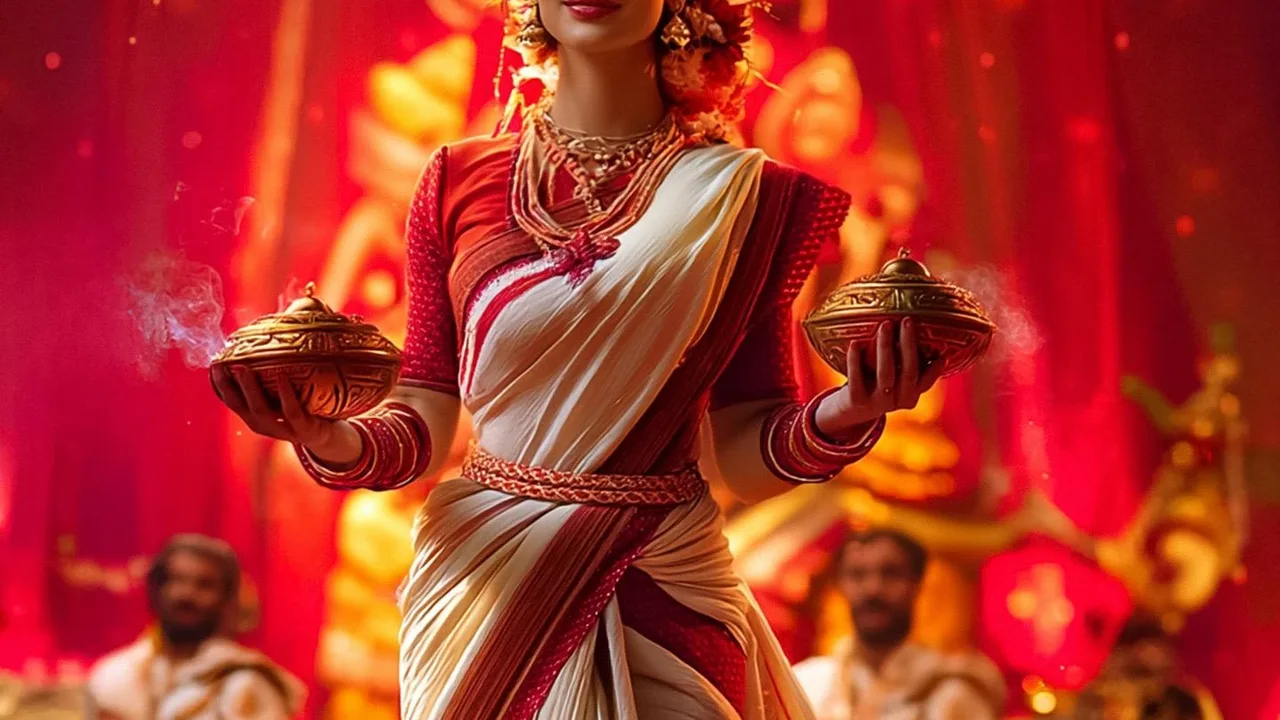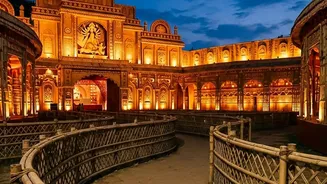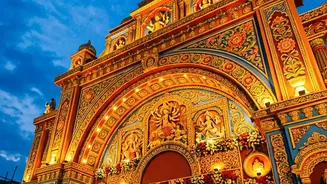



The Soul of North Kolkata's 'Bonedi Bari' Pujas
Long before Durga Puja became the city-wide spectacle it is today, the worship was centred inside the pillared courtyards, or 'thakur dalan', of Kolkata's aristocratic families ('Bonedi Bari'). These centuries-old pujas are less about grand themes and more
about unwavering tradition. At Shobhabazar Rajbari, where Raja Nabakrishna Deb started one of the city's most famous family pujas in 1757, the rituals feel like a portal to the past. This was where British officials like Robert Clive were first invited to a household puja, setting a template for high-society celebrations. The idols here are traditionally decorated in 'daaker saaj', intricate silver and zari ornamentation that harks back to a bygone era of opulence. Other homes, like Jorasanko Shib Krishna Daw Bari and Mitra Bari, maintain unique family rituals passed down through generations, offering a glimpse into the festival's aristocratic origins.
Kumartuli: Where the Goddess Takes Form
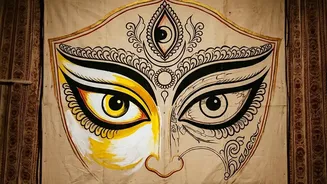
No exploration of Puja artistry is complete without a visit to Kumartuli, the potters' quarter in North Kolkata. For months, these narrow lanes are abuzz with activity as artisans, or 'pals', give shape to the divine. The process is a testament to immense skill, starting with a bamboo and straw frame ('kathamo'). Layers of clay, often sourced from the banks of the Hooghly river, are painstakingly applied to sculpt the figures of Durga and her children. A unique tradition involves using 'punya mati'—sacred soil collected from the entrance of a prostitute's home—in the clay mixture, symbolizing universal inclusion. The final, most crucial act is 'Chokkhu Daan', the painting of the goddess's eyes, which is performed on the auspicious day of Mahalaya, believed to breathe life into the idol.
The Community Spirit of Sarbojanin Pujas
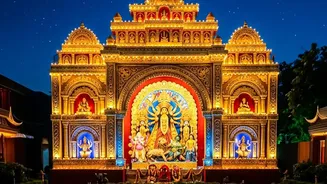
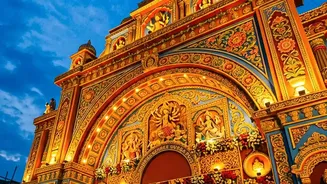
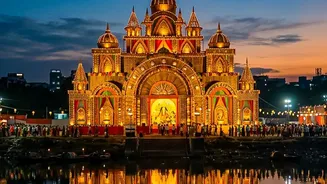
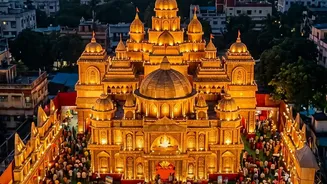
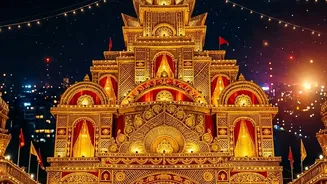
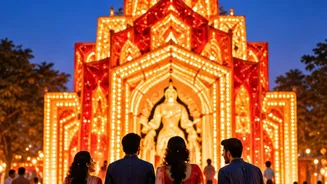
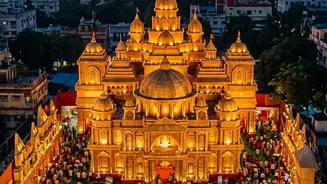
While Bonedi Bari pujas are private affairs, the 'Sarbojanin' or community pujas are where artistry meets public celebration. Bagbazar Sarbojanin, one of the city's oldest and most respected community pujas, has been a North Kolkata icon for over a century. It remains steadfastly traditional, known for its classic 'ekchala' idol, where the goddess and her children are mounted on a single frame. This contrasts with the often elaborate and conceptual themes of many South Kolkata pandals. In 2026, other North Kolkata community pujas like Ahiritola Sarbojanin are also embracing hyper-local themes, with one pandal showcasing the history of the area's sweet-making traditions. These community efforts, from grand structures to intricate lighting, turn entire neighbourhoods into immersive art installations.
Preserving Tradition in a Modern World
In an age of dazzling, theme-based pandals that replicate everything from the Hawa Mahal to a Himalayan abode, the quiet dignity of Kolkata's historic neighbourhoods offers a different kind of magic. Here, the artistry is not in the novelty of the theme but in the perfection of a craft honed over generations. It’s in the lustrous finish of the 'daaker saaj', the classical proportions of a Kumartuli idol, and the unchanged rituals within a family's 'thakur dalan'. These pujas serve as anchors of tradition, reminding the millions of 'pandal-hoppers' of the festival's deep cultural and historical roots. They showcase an artistry that is timeless, connecting the Kolkata of today with the Calcutta of centuries past.